What Is Metal Furring Channel with Holes?
When it comes to modern construction and interior fit-outs, the need for strong, lightweight, and versatile framing systems is greater than ever. One such essential building component is the metal furring channel with holes. Though it may seem like a simple strip of metal at first glance, this structural element plays a critical role in the stability, efficiency, and functionality of walls, ceilings, and other interior systems—especially when electrical, HVAC, or plumbing services are involved.
So, what exactly is a metal furring channel with holes, and why is it increasingly popular in residential, commercial, and industrial construction?
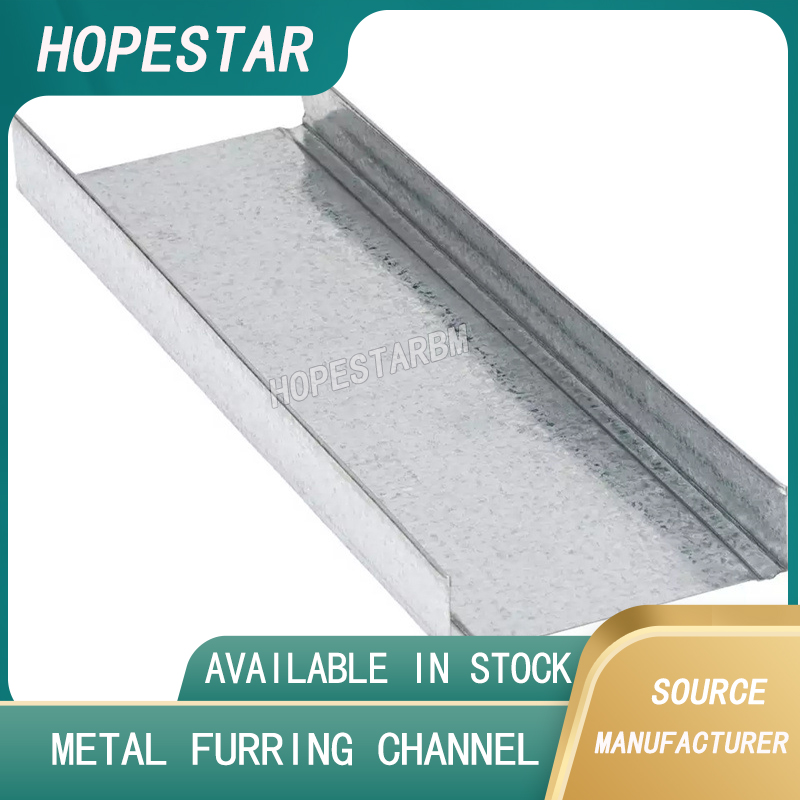
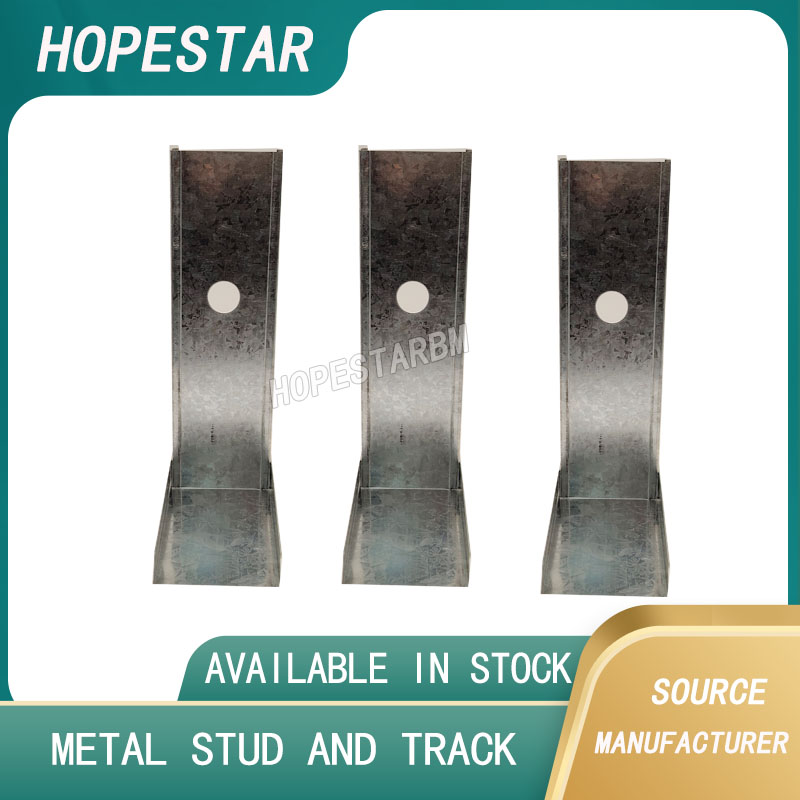
A metal furring channel is a cold-formed steel section that serves as a framework to which interior wallboards or ceiling panels are attached. The version with holes—also known as perforated furring channel—features strategically punched openings along its length. These holes can vary in size and shape (typically circular or slotted), and they serve multiple practical purposes during construction and in the long-term performance of a building.
The most obvious benefit of perforated furring channels is their ability to support service integration. Whether you’re running electrical wiring, data cables, or plumbing conduits, the holes provide convenient paths through which these systems can be passed. This minimizes the need for drilling or cutting during installation, which not only saves time but also preserves the structural integrity of the framework. For builders and electricians, this is a game changer—it speeds up installation and makes coordination across trades much simpler.
In addition to providing a channel for services, the holes also help with weight reduction. While steel is strong, its weight can be a limiting factor in certain builds—especially suspended ceilings or prefabricated walls. By perforating the channel, manufacturers can reduce the total mass without compromising on load-bearing capabilities. This makes the channels easier to handle on-site and helps decrease the dead load on supporting structures.
Ventilation is another often-overlooked advantage. In some applications, especially where insulation or acoustic batts are used inside walls, proper airflow can be essential to prevent moisture buildup and mold formation. The holes in furring channels can assist in maintaining air circulation behind wall panels or above ceiling boards, contributing to a healthier indoor environment over time.
The durability of metal furring channels is also noteworthy. Most are manufactured from galvanized steel, which resists rust, corrosion, and insect damage. This makes them especially suitable for areas with high humidity or exposure to temperature variations. Even with the perforations, the structural performance remains solid, especially when installed according to recommended standards.
Where are metal furring channels with holes used? You’ll commonly find them in commercial office buildings, schools, hospitals, apartment complexes, and even in high-end residential homes. They are ideal for use in non-load-bearing partition walls, drop ceilings, soundproofing systems, and areas that require frequent service access or upgrades. In data centers, for example, the ability to neatly route cables through the framework is essential. In retail fit-outs, they allow for fast installation and future modification without the need to tear down walls.
Another reason behind the growing popularity of perforated furring channels is their compatibility with modern modular construction methods. As more developers turn toward prefabrication and off-site assembly, having standardized, versatile framing components becomes critical. Metal furring channels with holes allow for quick connections, bolt-through installations, and flexible configurations—all of which align perfectly with modular construction principles.
When choosing metal furring channels with holes, it’s important to consider the application, spacing, and local building codes. Factors such as gauge (thickness), hole size, corrosion resistance, and fire rating should be evaluated before selection. For those working on high-spec commercial projects, using channels compliant with ASTM or AS/NZS standards is strongly recommended to ensure safety and longevity.
In conclusion, the metal furring channel with holes is far more than a simple piece of steel. It’s a multi-functional, high-performance solution that brings efficiency, flexibility, and strength to modern building projects. Whether you're a contractor, architect, developer, or DIY enthusiast, understanding the benefits of this component can lead to smarter designs and smoother installations. As construction continues to evolve toward systems that are faster, lighter, and more integrated, the humble perforated furring channel proves that even the smallest details can have the biggest impact.
If you’re considering using metal furring channels with holes in your next project, be sure to consult with an experienced supplier or manufacturer. The right choice can save you time, reduce labor costs, and improve the overall performance of your build. And in a world where construction speed and quality matter more than ever, that’s a detail worth paying attention to.
What Is Furring Channel Used For?
Analysis of installation and construction plan for Australian light steel keel
Related Article