What Is a Hat Channel in Metal Roofing?
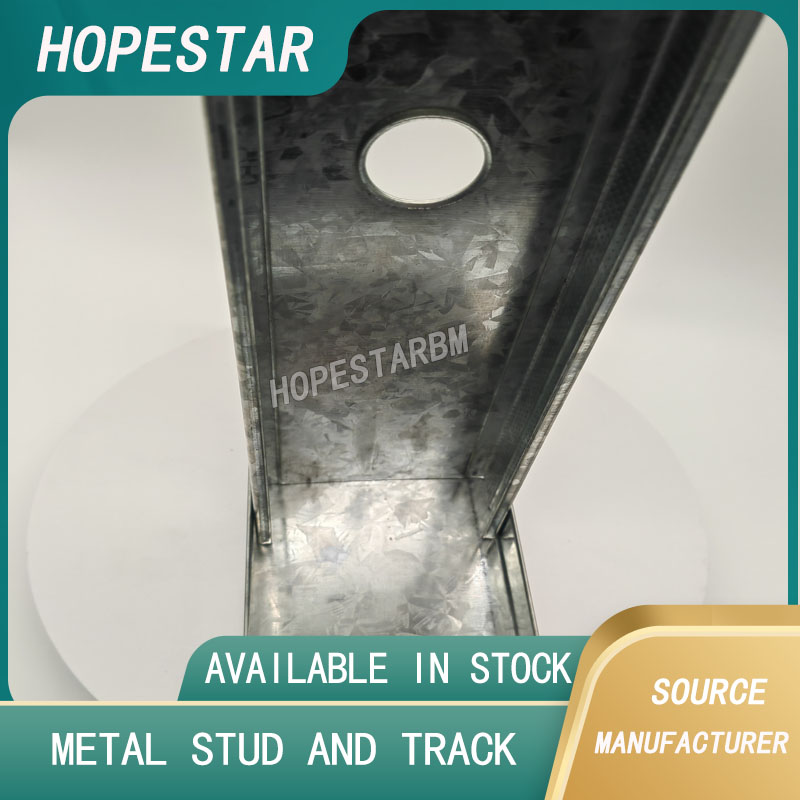
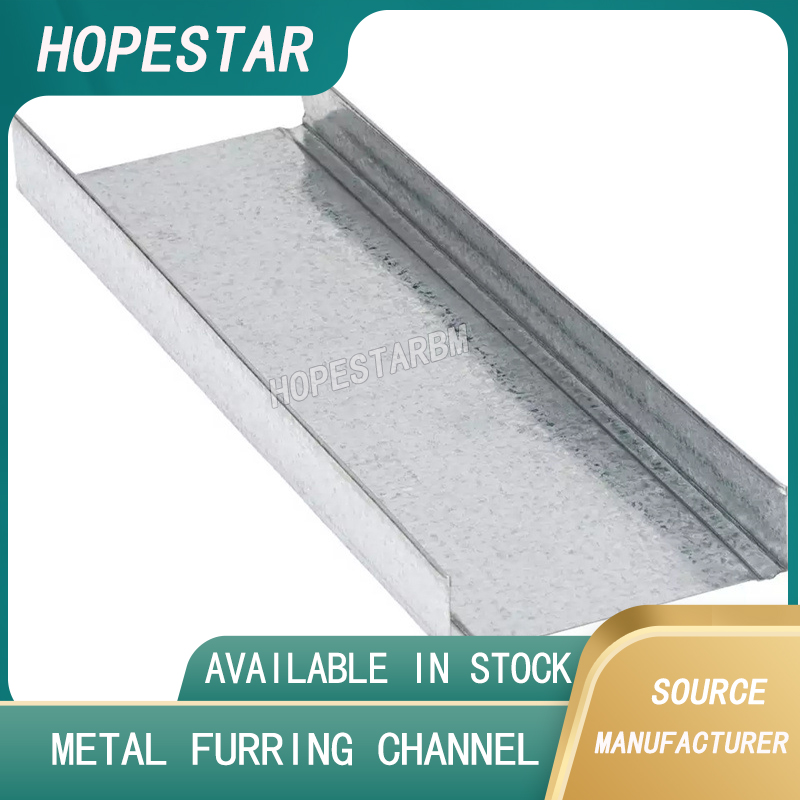
A hat channel is a roll-formed metal profile shaped like a "hat" (▃—▃), typically made from galvanized steel or aluminum. In roofing, it acts as an intermediate layer between the roof deck (or framing) and the metal roofing panels.
Primary Functions in Metal Roofing
1. Panel Support & Attachment
-
Hat channels provide a stable and level surface to which metal roofing panels (e.g., standing seam, corrugated) are fastened.
-
Helps prevent oil-canning and sagging.
2. Ventilation and Drainage
-
When installed with a gap or over furring blocks, hat channels allow airflow and moisture drainage, improving the life of the roofing system.
3. Thermal Break / Insulation Layer
-
Spacing created by hat channels allows room for rigid insulation, improving energy efficiency and reducing thermal bridging.
4. Strength and Load Distribution
-
They enhance structural rigidity, distributing snow, wind, and live loads more evenly across framing members.
Typical Hat Channel Specs for Roofing
| Feature | Common Values |
|---|---|
| Material | 16–25 gauge galvanized steel or aluminum |
| Width (top) | 1.25" to 3" |
| Height (depth) | 7/8", 1", 1.5" |
| Length | 10 ft or 12 ft (custom available) |
| Finish | Galvanized (G90 or G60), aluminum mill finish, or coated |
Installation Guidelines
-
Hat channels are fastened perpendicular to the trusses or rafters using self-drilling screws or anchor bolts.
-
Roofing panels are then attached parallel to the hat channels using approved fasteners.
-
Optional: Install a vapor barrier or underlayment between the channel and sheathing for moisture control.
-
For open-frame installations, hat channels often sit over thermal spacers or foam blocks.
Omega Furring Channel: Sizes, Features, and Applications
What Is an Aluminum Hat Channel?
Related Article