
How many materials for metal wall corner protection strips ?what are their characteristics?
2025-05-14
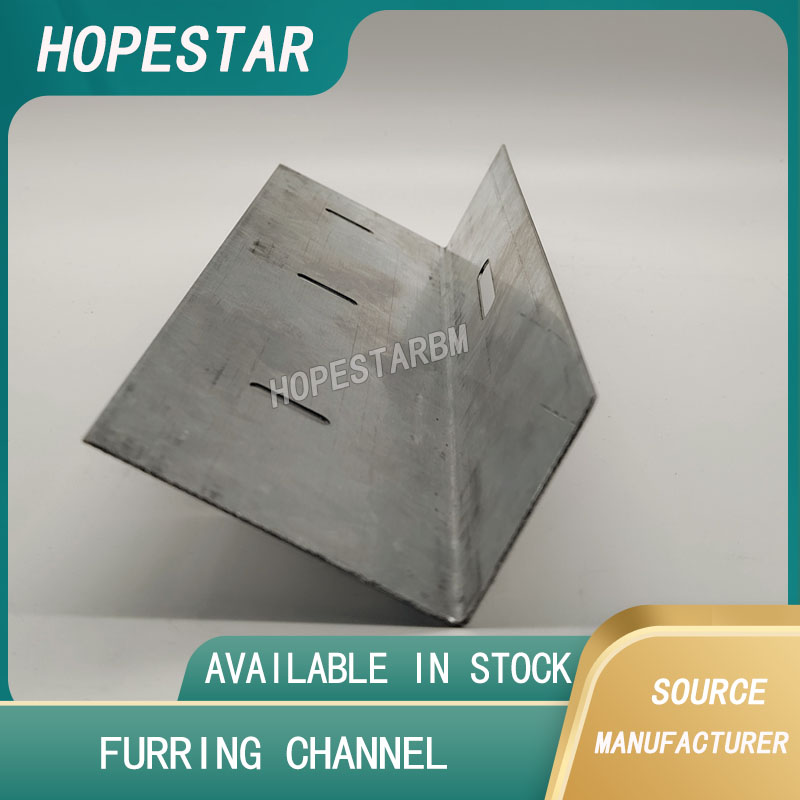
The common materials for metal corner protectors (also known as metal corner protectors or metal corner protectors) are as follows, each with its unique performance characteristics and applicable scenarios:
1. Galvanized steel
This is the most widely used metal corner protector material. Its core is carbon steel, and the surface is enhanced with rust prevention ability through hot-dip galvanizing or galvanizing treatment. Galvanized corner protectors have high strength and moderate price, suitable for various indoor wall corners, especially in places with high traffic such as schools, office buildings, and shopping malls. But its anti-corrosion ability is relatively limited and not suitable for humid or highly corrosive environments.
2. Aluminum alloy
Aluminum corner protectors have good rust and corrosion resistance, are lightweight, have a simple and beautiful appearance, and are suitable for modern decorative styles. It is usually used in high-end decoration projects or humid environments such as bathrooms, kitchens, hospitals. Aluminum corner protectors are also easy to process and can produce various colors and anodizing effects, but they are more expensive and have slightly lower strength than steel.
3. Stainless steel
This is the most corrosion-resistant material, suitable for high hygiene standards or high corrosive environments such as hospitals, food workshops, laboratories, chemical plants, etc. Stainless steel corner protectors have a smooth surface, strong scratch resistance, and long service life. Common models include 304 stainless steel and 316 stainless steel, with the latter having stronger corrosion resistance and higher price.
4. Copper (less common)
Copper corner protectors are often used in high-end decoration projects, with strong decorative and retro texture, and good anti-corrosion performance. However, they are expensive and not suitable for large-scale applications. They are usually used for local decoration or special customization.
In summary:
If pursuing cost-effectiveness and universality, galvanized steel is the first choice;
If there are high requirements for corrosion resistance and aesthetics, aluminum alloy can be chosen;
If in a highly corrosive or hygienic environment, stainless steel should be selected;
If it is a luxurious and retro style decoration, copper corner protectors can be considered.
1. Galvanized steel
This is the most widely used metal corner protector material. Its core is carbon steel, and the surface is enhanced with rust prevention ability through hot-dip galvanizing or galvanizing treatment. Galvanized corner protectors have high strength and moderate price, suitable for various indoor wall corners, especially in places with high traffic such as schools, office buildings, and shopping malls. But its anti-corrosion ability is relatively limited and not suitable for humid or highly corrosive environments.
2. Aluminum alloy
Aluminum corner protectors have good rust and corrosion resistance, are lightweight, have a simple and beautiful appearance, and are suitable for modern decorative styles. It is usually used in high-end decoration projects or humid environments such as bathrooms, kitchens, hospitals. Aluminum corner protectors are also easy to process and can produce various colors and anodizing effects, but they are more expensive and have slightly lower strength than steel.
3. Stainless steel
This is the most corrosion-resistant material, suitable for high hygiene standards or high corrosive environments such as hospitals, food workshops, laboratories, chemical plants, etc. Stainless steel corner protectors have a smooth surface, strong scratch resistance, and long service life. Common models include 304 stainless steel and 316 stainless steel, with the latter having stronger corrosion resistance and higher price.
4. Copper (less common)
Copper corner protectors are often used in high-end decoration projects, with strong decorative and retro texture, and good anti-corrosion performance. However, they are expensive and not suitable for large-scale applications. They are usually used for local decoration or special customization.
In summary:
If pursuing cost-effectiveness and universality, galvanized steel is the first choice;
If there are high requirements for corrosion resistance and aesthetics, aluminum alloy can be chosen;
If in a highly corrosive or hygienic environment, stainless steel should be selected;
If it is a luxurious and retro style decoration, copper corner protectors can be considered.
Installation method for metal punching edges and corners
What is the difference between aluminum keel and galvanized keel
Related Article

Ceiling wall angle, also known as perimeter angle or L-angle, is an indispensable L-shaped metal profile for suspended drywall ceiling systems. Roll-formed from cold-rolled galvanized steel, ceiling wall angle is fixed along the wall perimeter to support the ends of main channels and furring channels,
Ceiling Wall Angle – Galvanized L-Shaped Perimeter Trim for Suspended Drywall Ceilings

Galvanized steel profiles are the foundational metal framing components widely used in modern interior construction. Roll-formed from cold-rolled steel coated with protective zinc layer, galvanized steel profiles cover a full range of shapes including C studs, U tracks, omega channels,
Galvanized Steel Profiles – Reliable Cold Rolled Framing for Drywall Walls and Ceilings

Metal furring channel for ceiling is a vital secondary framing component widely used in suspended ceiling and drywall ceiling systems. Roll-formed from cold-rolled galvanized steel, this lightweight metal profile works together with main channels, hangers and wall angles to create a level,
Metal Furring Channel for Ceiling – Galvanized Secondary Framing for Suspended Drywall Ceilings

Metal omega channel, also widely called omega furring channel or hat channel, is an indispensable secondary metal framing profile for modern suspended ceilings and drywall wall furring systems. Named after its distinctive Ω shape, this profile is roll-formed from cold-rolled galvanized steel
Metal Omega Channel – Galvanized Omega Furring Channel for Drywall Ceiling and Wall Framing