
What size is a hat channel?
2025-04-28
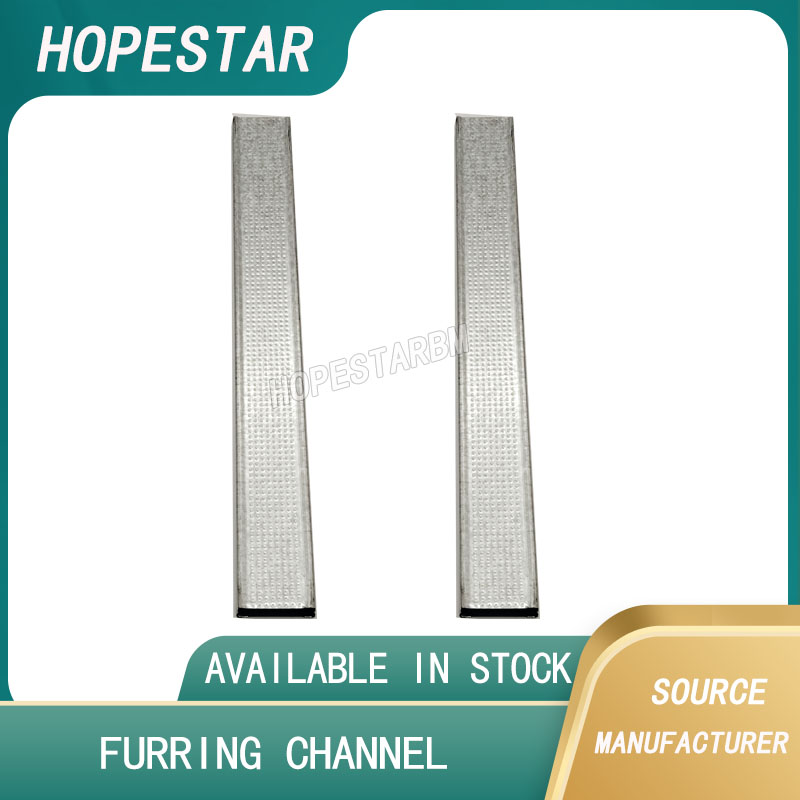
A hat channel usually comes in different sizes depending on the use (like drywall framing, furring, ceilings, etc.). Common sizes are:
Width (across the top): 7/8 inch, 1-5/8 inch, 2 inches, or 2-1/2 inches.
Height (rise of the hat shape): 1/2 inch, 7/8 inch, or sometimes more for special applications.
Length: Most are around 10 feet or 12 feet long, but custom lengths are available.
Gauge (thickness): Commonly 25 gauge, 22 gauge, or 20 gauge (thicker for heavier-duty jobs).
The 7/8" deep hat channel is one of the most common for drywall ceilings and walls.
Width (across the top): 7/8 inch, 1-5/8 inch, 2 inches, or 2-1/2 inches.
Height (rise of the hat shape): 1/2 inch, 7/8 inch, or sometimes more for special applications.
Length: Most are around 10 feet or 12 feet long, but custom lengths are available.
Gauge (thickness): Commonly 25 gauge, 22 gauge, or 20 gauge (thicker for heavier-duty jobs).
The 7/8" deep hat channel is one of the most common for drywall ceilings and walls.
What is the difference between hat channel and furring strips?
What are the different types of furring channel?
Related Article

Ceiling wall angle, also known as perimeter angle or L-angle, is an indispensable L-shaped metal profile for suspended drywall ceiling systems. Roll-formed from cold-rolled galvanized steel, ceiling wall angle is fixed along the wall perimeter to support the ends of main channels and furring channels,
Ceiling Wall Angle – Galvanized L-Shaped Perimeter Trim for Suspended Drywall Ceilings
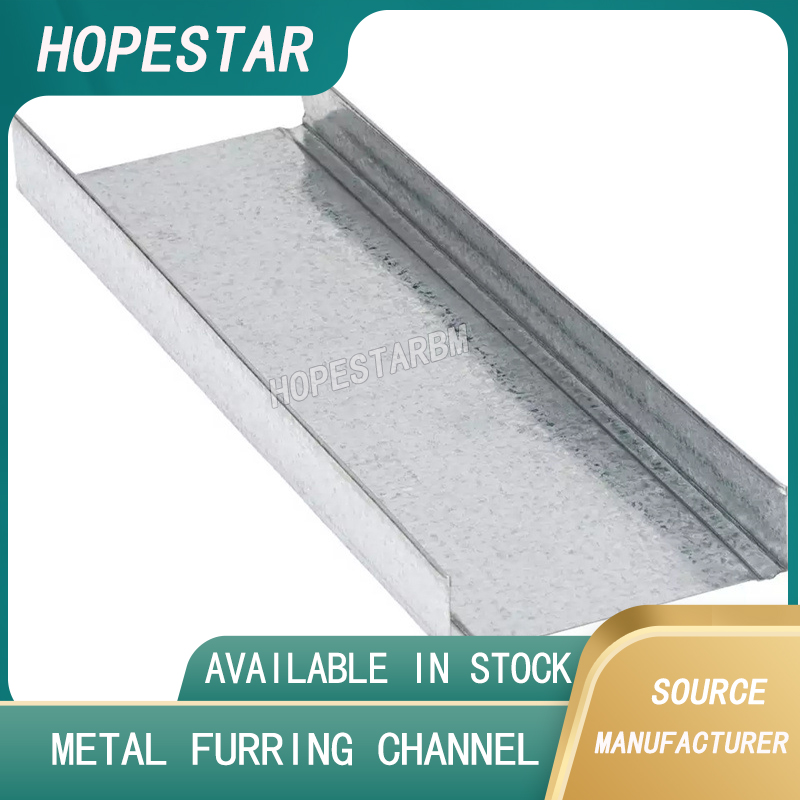
Galvanized steel profiles are the foundational metal framing components widely used in modern interior construction. Roll-formed from cold-rolled steel coated with protective zinc layer, galvanized steel profiles cover a full range of shapes including C studs, U tracks, omega channels,
Galvanized Steel Profiles – Reliable Cold Rolled Framing for Drywall Walls and Ceilings

Metal furring channel for ceiling is a vital secondary framing component widely used in suspended ceiling and drywall ceiling systems. Roll-formed from cold-rolled galvanized steel, this lightweight metal profile works together with main channels, hangers and wall angles to create a level,
Metal Furring Channel for Ceiling – Galvanized Secondary Framing for Suspended Drywall Ceilings

Metal omega channel, also widely called omega furring channel or hat channel, is an indispensable secondary metal framing profile for modern suspended ceilings and drywall wall furring systems. Named after its distinctive Ω shape, this profile is roll-formed from cold-rolled galvanized steel
Metal Omega Channel – Galvanized Omega Furring Channel for Drywall Ceiling and Wall Framing