Are furring channels vertical or horizontal?
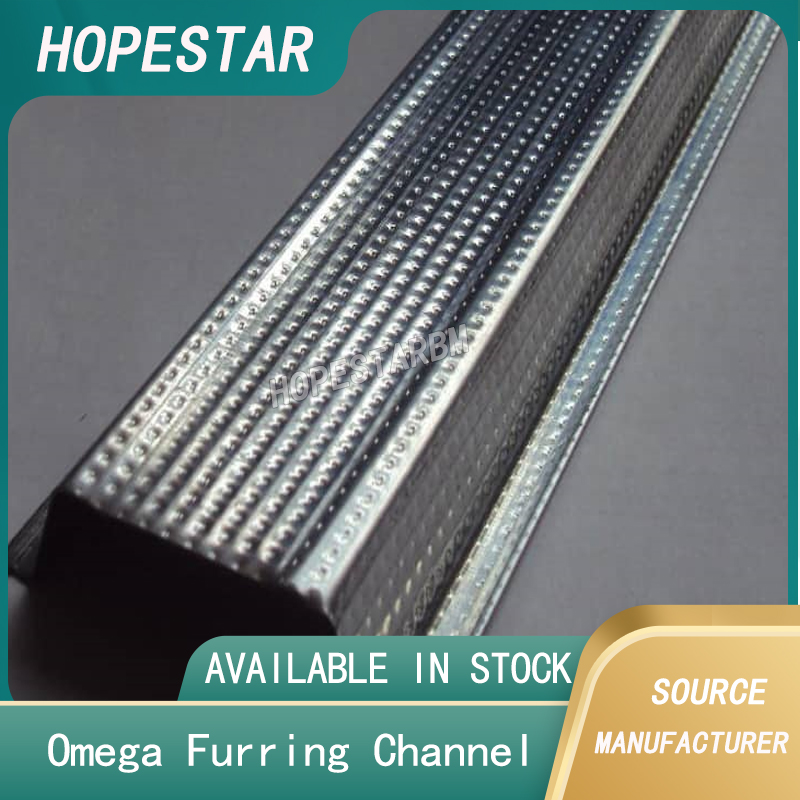
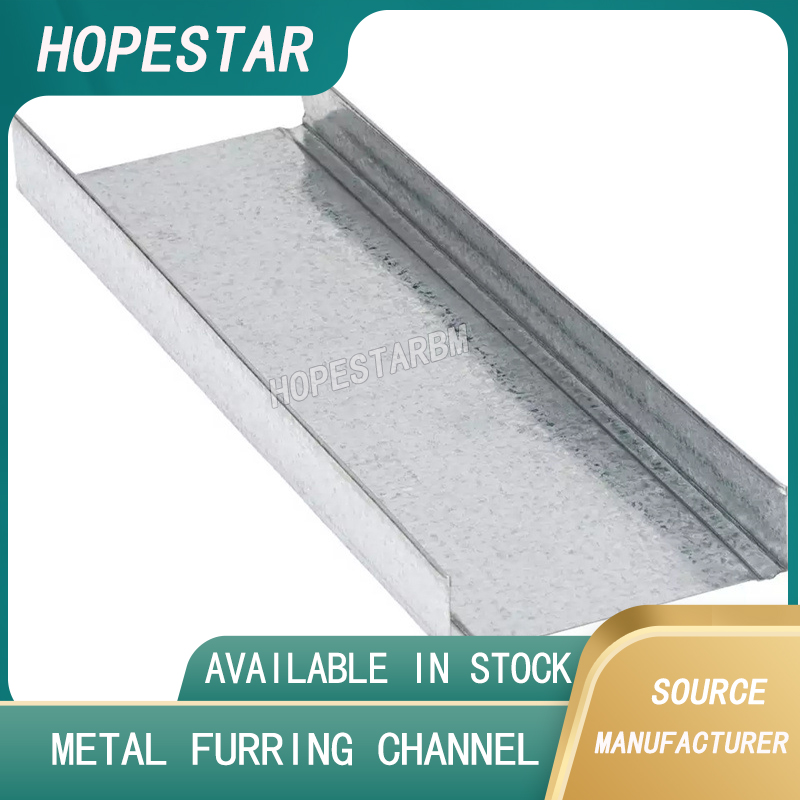
The orientation of furring channels—whether they are installed vertically or horizontally—depends largely on the specific construction application. These metal or wood strips are used to create a level surface for attaching wall or ceiling finishes, and their direction is chosen based on the type of surface being installed and the structural requirements of the space.
Furring Channels on Walls
In most wall applications, furring channels are installed vertically. This vertical orientation is standard when mounting materials like drywall, paneling, or sheathing. The channels provide a secure and even backing for the finish materials, allowing fasteners to grip solidly and helping to create a flat, plumb wall surface. Vertical furring is also ideal for installing insulation between the channels, especially in basement or masonry wall systems.
However, there are exceptions. When installing horizontal cladding—such as wood siding or metal panels that run side to side—the furring channels may be installed horizontally instead. This is done to ensure that the furring runs perpendicular to the siding panels, offering proper support behind each course of material.
Furring Channels on Ceilings
In ceiling installations, furring channels are typically mounted perpendicular to the ceiling joists or structural beams. This cross-directional layout allows for the creation of a smooth, level ceiling plane while also accommodating insulation, electrical wiring, or other systems that need to run above the finished ceiling. It also helps distribute the weight of ceiling materials like gypsum board more evenly across the structure.
Final Thoughts
There is no single answer to whether furring channels are vertical or horizontal—it truly depends on the design and functional goals of the project. On walls, vertical is most common for drywall or interior finishes, while horizontal may be used for siding or decorative cladding. On ceilings, the orientation is determined by the joist direction, with furring installed perpendicular for maximum stability and surface uniformity.
Understanding how and when to orient furring channels is crucial to building a safe, durable, and visually appealing structure.
Metal Roofing and Siding Accessories
Z-Furring Channel installation
Related Article