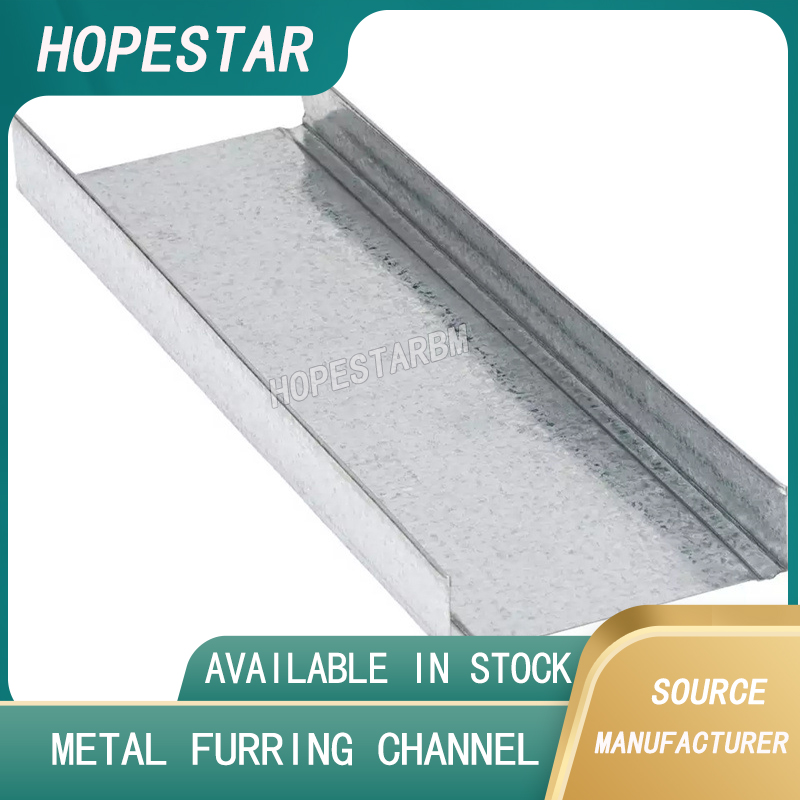
What is the purpose of metal furring?
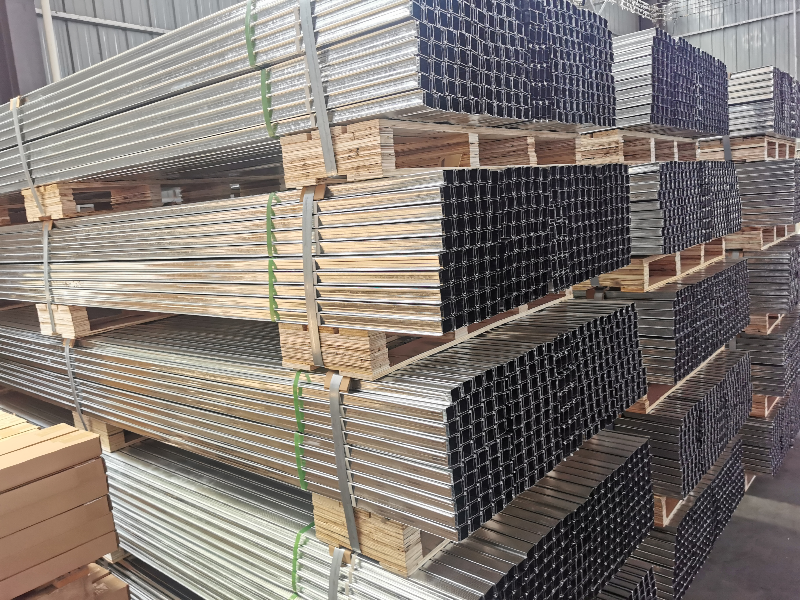
Metal furring is a construction technique that uses lightweight metal channels (typically galvanized steel or aluminum) to create a stable framework for supporting finishing materials like drywall, ceilings, or exterior cladding. It is an alternative to wood furring and is commonly used in both residential and commercial projects.
Purpose of Metal Furring:
-
Creating a Level Surface – Metal furring helps smooth out uneven surfaces, making it easier to install drywall, paneling, or ceilings over masonry, concrete, or other irregular substrates.
-
Moisture and Mold Resistance – Unlike wood, metal furring does not absorb moisture, reducing the risk of mold, mildew, and rot, making it ideal for humid environments.
-
Improved Fire Resistance – Metal furring is non-combustible and enhances the fire resistance of walls and ceilings compared to wood furring.
-
Accommodating Electrical and Plumbing Work – It creates a gap between the structural wall and the finished surface, allowing space to run electrical wiring, plumbing, and HVAC systems without cutting into the main wall.
-
Enhancing Soundproofing – When used with resilient clips and insulation, metal furring helps reduce noise transmission, making it useful in soundproofing applications for walls and ceilings.
-
Supporting Heavy Loads – Metal furring provides strong structural support for ceilings and walls, especially in commercial and industrial buildings where additional strength is required.
-
Compatibility with Insulation – Metal furring systems allow for easy installation of insulation materials, improving thermal efficiency in buildings.
Common Applications:
-
Drywall Installation – Used as a framework for attaching drywall in both residential and commercial buildings.
-
Ceiling Systems – Supports suspended ceilings, acoustic tiles, and gypsum board installations.
-
Exterior Cladding – Provides a framework for installing siding, metal panels, or other façade materials.
-
Masonry Walls – Used to install drywall or paneling over concrete or brick walls.
Metal furring is preferred over wood furring in modern construction due to its durability, fire resistance, and resistance to warping or rotting over time.
What are the three types of corner beads?
What Is A Furring Hat Channel in Construction?
Related Article