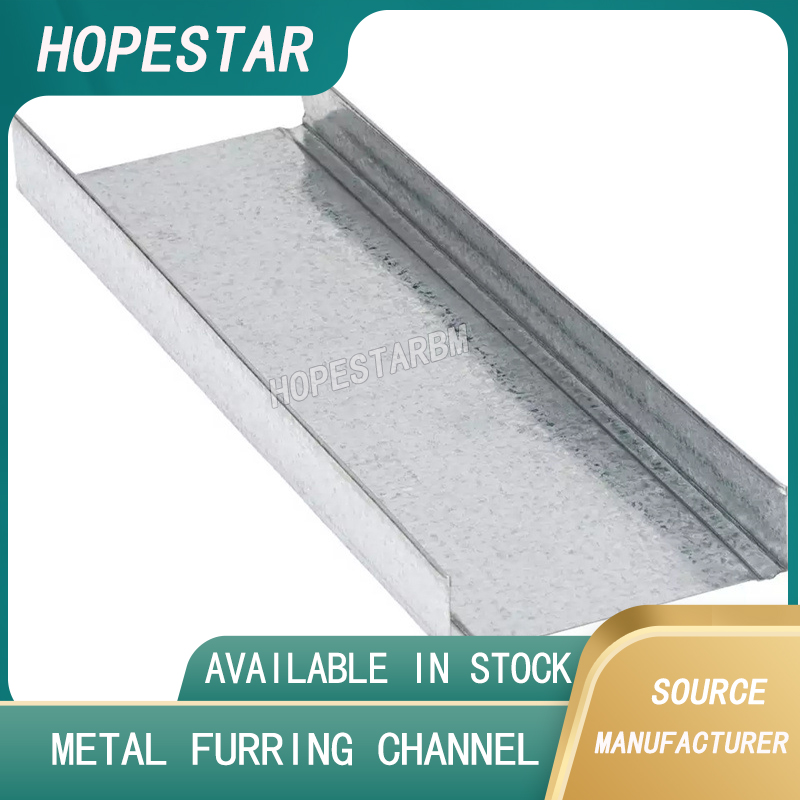
What Is A Furring Hat Channel?
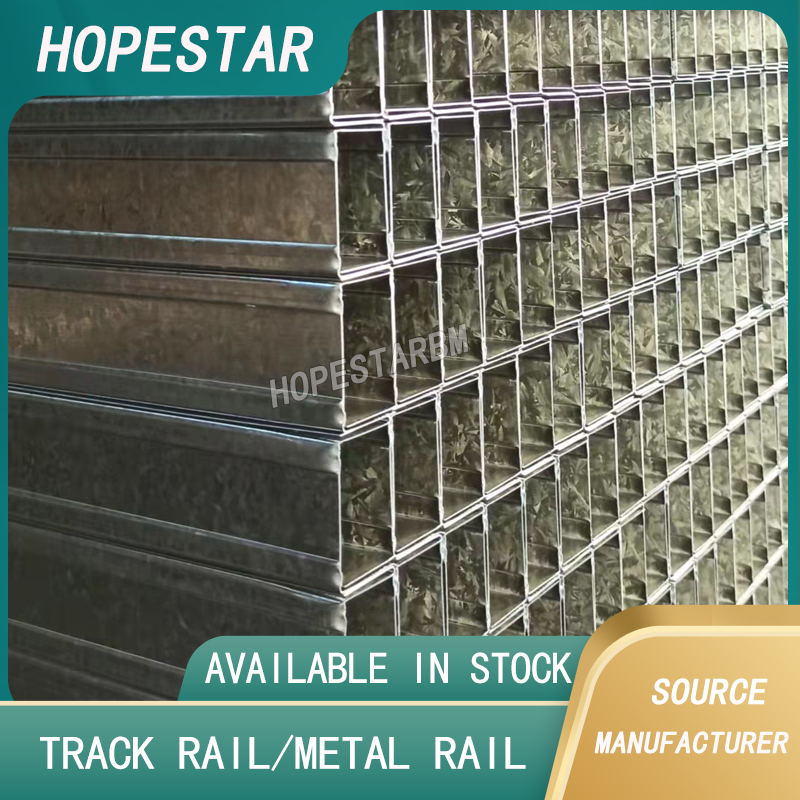
In construction and interior design, achieving a smooth, level surface for walls or ceilings often requires a framework that accommodates insulation, wiring, or plumbing while ensuring structural stability. One critical component used for this purpose is the furring hat channel, a versatile metal framing element that plays a vital role in modern building practices.
Definition and Design
A furring hat channel, also called a "hat channel" or "furring channel," is a lightweight, cold-rolled metal strip typically made from galvanized steel. Its unique cross-sectional shape resembles a top hat, with a flat central web and flared flanges on either side. This design provides rigidity and strength while maintaining a low profile, usually ranging from 0.5 to 1.5 inches in depth. The channels are available in various lengths and gauges (thicknesses), with 25-gauge and 22-gauge being common for residential and commercial projects.
Purpose and Applications
Hat channels are primarily used to create a furring system—a secondary framework installed over an existing wall, ceiling, or structural surface. This system serves multiple functions:
- Leveling Uneven Surfaces: They compensate for irregularities in concrete walls, masonry, or uneven studs, ensuring a flat base for drywall, paneling, or other finishes.
- Creating Air Gaps: By spacing the finish material away from the substrate, hat channels improve airflow, reduce moisture buildup, and enhance thermal or acoustic insulation.
- Concealing Utilities: The gap between the channel and the substrate allows electrical wiring, plumbing, or HVAC components to be hidden without compromising the structure.
- Fire Resistance: When used with fire-rated assemblies, hat channels can help meet building code requirements.
Advantages Over Alternatives
Compared to traditional wood furring strips, hat channels offer superior durability, resistance to warping, and moisture protection due to their galvanized coating. They are also lighter and easier to install in large-scale projects. Additionally, their non-combustible nature makes them ideal for fire-prone areas.
Installation Process
Installing hat channels involves securing them perpendicular to the primary structural supports (e.g., joists or studs) using screws, nails, or powder-actuated fasteners. Spacing between channels typically ranges from 16 to 24 inches, depending on the load and finish material. Once the framework is in place, drywall or other cladding is attached directly to the channels.
Conclusion
The furring hat channel is an unsung hero in construction, enabling designers and builders to overcome structural challenges while optimizing space and performance. Its adaptability, strength, and cost-effectiveness make it indispensable in both residential renovations and commercial builds. Whether for soundproofing a ceiling or upgrading an aging wall system, this unassuming component ensures functionality and longevity in modern architecture.
galvanized steel furring channel for ceiling installations
Aluminum Hat Channel
Related Article