
What is the hat channel for metal roofing?
2024-08-20
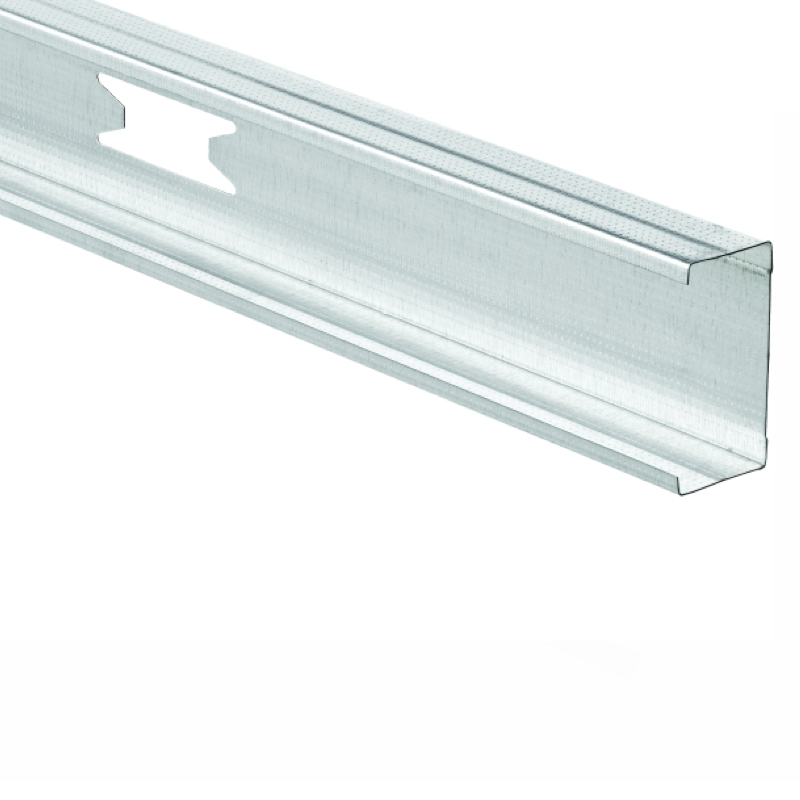
A hat channel is a type of metal framing component that gets its name from its cross-sectional shape, which resembles a hat. It is widely used in construction for various purposes, including providing a support structure for metal roofing. Here's what you need to know about hat channels for metal roofing:
Hat Channel Overview:
Shape: The hat channel has a distinctive shape with a flat top and two outward-flaring legs, which give it a hat-like appearance. The flat top provides a surface for attaching materials, while the flaring legs give it structural rigidity.
Material: Hat channels are typically made from galvanized steel, aluminum, or other corrosion-resistant metals to ensure durability, especially in roofing applications where they are exposed to the elements.
Hat Channel Uses in Metal Roofing:
Support Structure: Hat channels are used to create a framework that supports metal roofing panels. They are installed horizontally or vertically on the roof structure, providing a flat surface to which the metal roofing panels can be attached.
Spacing: The hat channels are spaced at regular intervals depending on the type of roofing material and the load requirements. They help distribute the weight of the roofing materials evenly across the roof structure.
Hat Channel Ventilation: In some roofing systems, hat channels can also create an air gap between the roofing material and the roof deck. This gap can improve ventilation, reduce heat transfer, and prevent moisture buildup, which helps in prolonging the life of the roof.
Installation:
Hat Channel Attachment: Hat channels are typically fastened to the roof structure using screws, bolts, or other suitable fasteners. They can be attached to wood framing, metal trusses, or other structural elements.
Alignment: Care must be taken to ensure that the hat channels are properly aligned and leveled, as this will directly affect the installation and performance of the metal roofing panels.
Roofing Panels: Once the hat channels are in place, metal roofing panels are attached to the channels, creating a durable and weather-resistant roof.
Advantages:
Durability: Hat channels provide a strong and stable support system for metal roofing, contributing to the overall durability of the roof.
Corrosion Resistance: When made from galvanized steel or aluminum, hat channels are resistant to rust and corrosion, making them suitable for use in various climates.
Lightweight: Hat channels are relatively lightweight, which makes them easier to handle and install compared to some other framing materials.
Common Applications:
Commercial and Industrial Buildings: Hat channels are often used in the construction of commercial and industrial buildings where metal roofing is common.
Residential Buildings: They are also used in residential metal roofing systems, especially in areas where durability and weather resistance are key concerns.
Retrofit Projects: Hat channels can be used in retrofit projects where a new metal roof is being installed over an existing structure.
Overall, hat channels are an essential component in metal roofing systems, providing the necessary support and stability for the roofing panels while also offering benefits like improved ventilation and extended roof life.
Hat Channel Overview:
Shape: The hat channel has a distinctive shape with a flat top and two outward-flaring legs, which give it a hat-like appearance. The flat top provides a surface for attaching materials, while the flaring legs give it structural rigidity.
Material: Hat channels are typically made from galvanized steel, aluminum, or other corrosion-resistant metals to ensure durability, especially in roofing applications where they are exposed to the elements.
Hat Channel Uses in Metal Roofing:
Support Structure: Hat channels are used to create a framework that supports metal roofing panels. They are installed horizontally or vertically on the roof structure, providing a flat surface to which the metal roofing panels can be attached.
Spacing: The hat channels are spaced at regular intervals depending on the type of roofing material and the load requirements. They help distribute the weight of the roofing materials evenly across the roof structure.
Hat Channel Ventilation: In some roofing systems, hat channels can also create an air gap between the roofing material and the roof deck. This gap can improve ventilation, reduce heat transfer, and prevent moisture buildup, which helps in prolonging the life of the roof.
Installation:
Hat Channel Attachment: Hat channels are typically fastened to the roof structure using screws, bolts, or other suitable fasteners. They can be attached to wood framing, metal trusses, or other structural elements.
Alignment: Care must be taken to ensure that the hat channels are properly aligned and leveled, as this will directly affect the installation and performance of the metal roofing panels.
Roofing Panels: Once the hat channels are in place, metal roofing panels are attached to the channels, creating a durable and weather-resistant roof.
Advantages:
Durability: Hat channels provide a strong and stable support system for metal roofing, contributing to the overall durability of the roof.
Corrosion Resistance: When made from galvanized steel or aluminum, hat channels are resistant to rust and corrosion, making them suitable for use in various climates.
Lightweight: Hat channels are relatively lightweight, which makes them easier to handle and install compared to some other framing materials.
Common Applications:
Commercial and Industrial Buildings: Hat channels are often used in the construction of commercial and industrial buildings where metal roofing is common.
Residential Buildings: They are also used in residential metal roofing systems, especially in areas where durability and weather resistance are key concerns.
Retrofit Projects: Hat channels can be used in retrofit projects where a new metal roof is being installed over an existing structure.
Overall, hat channels are an essential component in metal roofing systems, providing the necessary support and stability for the roofing panels while also offering benefits like improved ventilation and extended roof life.
What is the difference between top hats and furring channels?
ceiling framing using metal furring
Related Article

Ceiling wall angle, also known as perimeter angle or L-angle, is an indispensable L-shaped metal profile for suspended drywall ceiling systems. Roll-formed from cold-rolled galvanized steel, ceiling wall angle is fixed along the wall perimeter to support the ends of main channels and furring channels,
Ceiling Wall Angle – Galvanized L-Shaped Perimeter Trim for Suspended Drywall Ceilings
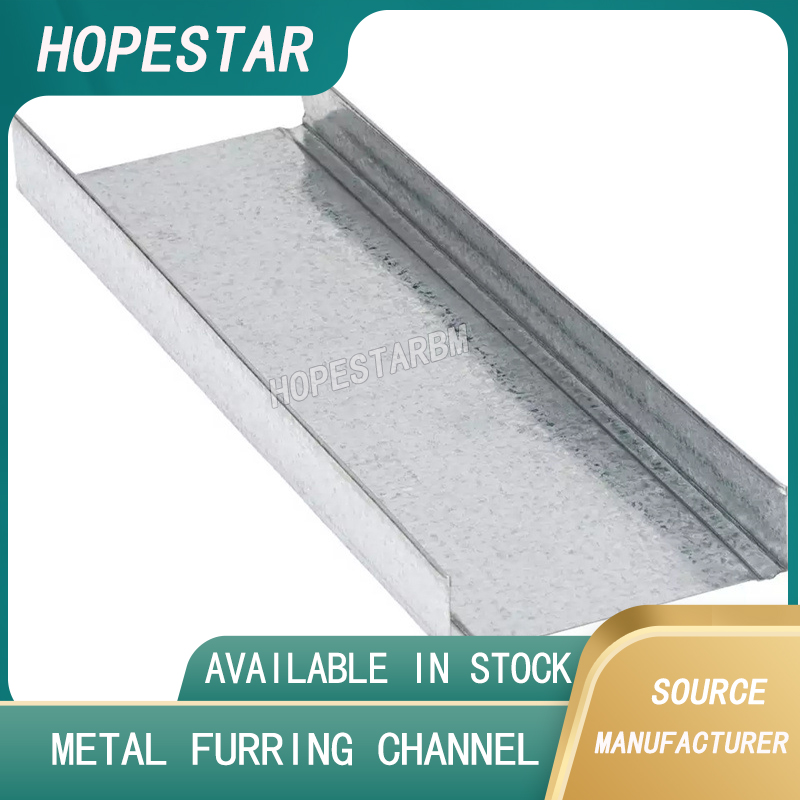
Galvanized steel profiles are the foundational metal framing components widely used in modern interior construction. Roll-formed from cold-rolled steel coated with protective zinc layer, galvanized steel profiles cover a full range of shapes including C studs, U tracks, omega channels,
Galvanized Steel Profiles – Reliable Cold Rolled Framing for Drywall Walls and Ceilings

Metal furring channel for ceiling is a vital secondary framing component widely used in suspended ceiling and drywall ceiling systems. Roll-formed from cold-rolled galvanized steel, this lightweight metal profile works together with main channels, hangers and wall angles to create a level,
Metal Furring Channel for Ceiling – Galvanized Secondary Framing for Suspended Drywall Ceilings

Metal omega channel, also widely called omega furring channel or hat channel, is an indispensable secondary metal framing profile for modern suspended ceilings and drywall wall furring systems. Named after its distinctive Ω shape, this profile is roll-formed from cold-rolled galvanized steel
Metal Omega Channel – Galvanized Omega Furring Channel for Drywall Ceiling and Wall Framing