
What is a Nogging Track?
2024-08-19
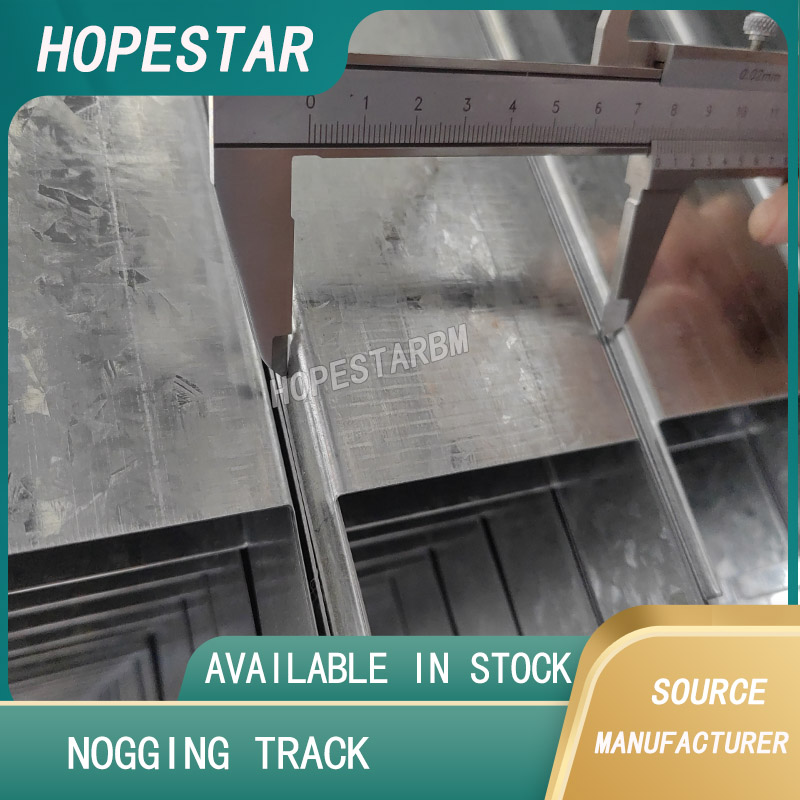
In modern construction, particularly in the context of metal framing systems, the term "nogging track" is a critical yet often overlooked component that plays a significant role in ensuring the stability and durability of partition walls. Understanding what a nogging track is, how it functions, and its applications can offer insight into why it is so essential in construction projects, especially in commercial and industrial settings.
Definition and Purpose
A nogging track is a horizontal metal channel used in wall framing to hold "noggings" in place. Noggings are short horizontal bracing elements inserted between vertical studs in a framed wall. The primary function of a nogging track is to provide additional lateral support to the wall structure, ensuring that the vertical studs remain straight and resist twisting or buckling under load. This reinforcement is particularly important in taller walls or walls that are required to support heavy fixtures like cabinets or shelving.
Material and Design
Nogging tracks are typically made from galvanized steel, known for its strength and resistance to corrosion. The track is usually U-shaped or C-shaped and comes with perforations or slots that allow for the easy insertion of noggings. The design of the nogging track is intended to fit snugly between the studs, providing a solid base for the noggings to be attached securely.
Installation and Use
The installation of nogging tracks is a straightforward process but requires careful planning to ensure proper placement and support. During construction, nogging tracks are installed horizontally between two vertical studs at a specified height, depending on the requirements of the wall. Noggings, which can also be made of metal or, in some cases, wood, are then inserted into the nogging track and fastened in place using screws or other fasteners.
In taller walls, multiple nogging tracks might be installed at different heights to provide continuous support throughout the entire wall. This not only enhances the wall’s stability but also ensures that it can effectively resist the stresses and loads it may encounter over time.
Applications and Benefits
Nogging tracks are particularly useful in tall partition walls where extra bracing is necessary to maintain structural integrity. They are also critical in situations where walls need to support heavy fixtures, as the added rigidity provided by nogging tracks helps to distribute the load evenly across the wall structure. Additionally, nogging tracks can improve the acoustic and fire-resistant properties of a wall by contributing to a more robust framework.
In commercial and industrial buildings, where walls must be especially strong and durable, nogging tracks are indispensable. They offer enhanced structural integrity, ensuring that walls remain straight and stable even under considerable load. Moreover, nogging tracks provide versatility in wall construction, allowing for the efficient and effective installation of various wall types.
Conclusion
In summary, the nogging track is an essential component in metal framing systems, providing the necessary support and stability to partition walls. Its role in ensuring the structural integrity of walls, especially in commercial and industrial settings, cannot be overstated. By understanding the function and importance of nogging tracks, builders and contractors can ensure that their constructions are not only stable and durable but also capable of meeting the demands of modern building standards.
Definition and Purpose
A nogging track is a horizontal metal channel used in wall framing to hold "noggings" in place. Noggings are short horizontal bracing elements inserted between vertical studs in a framed wall. The primary function of a nogging track is to provide additional lateral support to the wall structure, ensuring that the vertical studs remain straight and resist twisting or buckling under load. This reinforcement is particularly important in taller walls or walls that are required to support heavy fixtures like cabinets or shelving.
Material and Design
Nogging tracks are typically made from galvanized steel, known for its strength and resistance to corrosion. The track is usually U-shaped or C-shaped and comes with perforations or slots that allow for the easy insertion of noggings. The design of the nogging track is intended to fit snugly between the studs, providing a solid base for the noggings to be attached securely.
Installation and Use
The installation of nogging tracks is a straightforward process but requires careful planning to ensure proper placement and support. During construction, nogging tracks are installed horizontally between two vertical studs at a specified height, depending on the requirements of the wall. Noggings, which can also be made of metal or, in some cases, wood, are then inserted into the nogging track and fastened in place using screws or other fasteners.
In taller walls, multiple nogging tracks might be installed at different heights to provide continuous support throughout the entire wall. This not only enhances the wall’s stability but also ensures that it can effectively resist the stresses and loads it may encounter over time.
Applications and Benefits
Nogging tracks are particularly useful in tall partition walls where extra bracing is necessary to maintain structural integrity. They are also critical in situations where walls need to support heavy fixtures, as the added rigidity provided by nogging tracks helps to distribute the load evenly across the wall structure. Additionally, nogging tracks can improve the acoustic and fire-resistant properties of a wall by contributing to a more robust framework.
In commercial and industrial buildings, where walls must be especially strong and durable, nogging tracks are indispensable. They offer enhanced structural integrity, ensuring that walls remain straight and stable even under considerable load. Moreover, nogging tracks provide versatility in wall construction, allowing for the efficient and effective installation of various wall types.
Conclusion
In summary, the nogging track is an essential component in metal framing systems, providing the necessary support and stability to partition walls. Its role in ensuring the structural integrity of walls, especially in commercial and industrial settings, cannot be overstated. By understanding the function and importance of nogging tracks, builders and contractors can ensure that their constructions are not only stable and durable but also capable of meeting the demands of modern building standards.
ceiling framing using metal furring
What is a metal track?Description and Function
Related Article

Ceiling wall angle, also known as perimeter angle or L-angle, is an indispensable L-shaped metal profile for suspended drywall ceiling systems. Roll-formed from cold-rolled galvanized steel, ceiling wall angle is fixed along the wall perimeter to support the ends of main channels and furring channels,
Ceiling Wall Angle – Galvanized L-Shaped Perimeter Trim for Suspended Drywall Ceilings
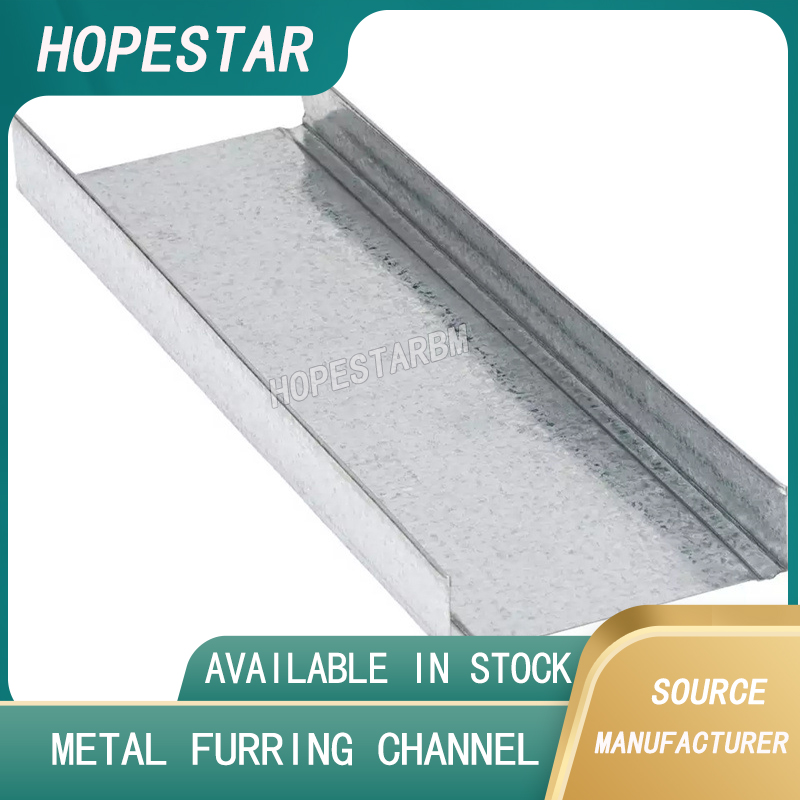
Galvanized steel profiles are the foundational metal framing components widely used in modern interior construction. Roll-formed from cold-rolled steel coated with protective zinc layer, galvanized steel profiles cover a full range of shapes including C studs, U tracks, omega channels,
Galvanized Steel Profiles – Reliable Cold Rolled Framing for Drywall Walls and Ceilings

Metal furring channel for ceiling is a vital secondary framing component widely used in suspended ceiling and drywall ceiling systems. Roll-formed from cold-rolled galvanized steel, this lightweight metal profile works together with main channels, hangers and wall angles to create a level,
Metal Furring Channel for Ceiling – Galvanized Secondary Framing for Suspended Drywall Ceilings

Metal omega channel, also widely called omega furring channel or hat channel, is an indispensable secondary metal framing profile for modern suspended ceilings and drywall wall furring systems. Named after its distinctive Ω shape, this profile is roll-formed from cold-rolled galvanized steel
Metal Omega Channel – Galvanized Omega Furring Channel for Drywall Ceiling and Wall Framing