
What is a metal track?Description and Function
2024-08-19
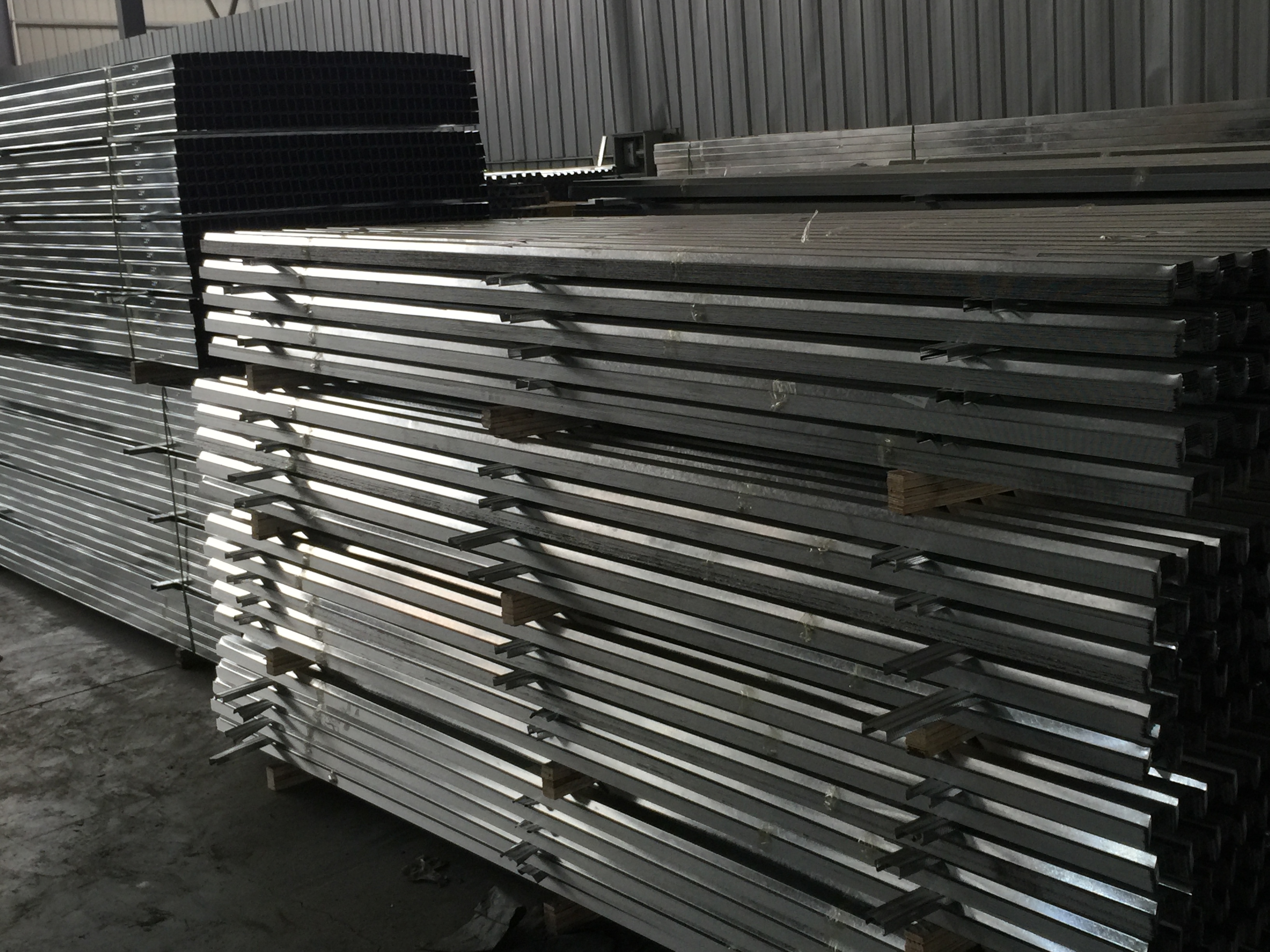
A metal track is a crucial component in construction, particularly in the installation of drywall and the creation of partition walls. It forms part of the framework used in both residential and commercial building projects. Here's a closer look at what a metal track is and how it's used:
metal track Description and Function:
1.Material and Design:
Material: Metal tracks are typically made of galvanized steel, which provides strength, durability, and resistance to corrosion.
Shape: They are generally U-shaped or C-shaped channels, designed to hold the vertical studs in place. The track is the horizontal part of the frame, while the studs are the vertical components.
2.Usage:
Wall Framing: Metal tracks are used as the base and top horizontal members in a wall framing system. They are installed along the floor and ceiling to create a framework for drywall or other wall coverings.
Ceilings and Partitions: In addition to walls, metal tracks are also used in ceiling framing and to create partition walls, allowing for the division of spaces without the need for load-bearing walls.
Supporting Structures: The tracks are used to guide and support the studs, which are then covered with materials like gypsum board (drywall) to create the finished surface of walls or ceilings.
3.Installation:
Anchoring: Metal tracks are anchored to the floor and ceiling using screws, nails, or other fasteners, depending on the surface material.
Stud Installation: Once the tracks are securely in place, metal studs are inserted vertically between the top and bottom tracks. The studs are then fastened to the tracks to create a rigid frame.
Drywall Attachment: After the frame is constructed, drywall sheets are screwed or nailed into the studs to form the finished wall or ceiling.
4.Benefits:
Durability: Metal tracks are strong and resistant to warping, rot, and pests, unlike wood.
Fire Resistance: Steel framing provides better fire resistance compared to wood.
Precision: Metal tracks and studs are manufactured to precise dimensions, ensuring consistent quality and ease of installation.
metal track Applications:
Interior Partition Walls: Commonly used in office buildings, schools, hospitals, and other commercial spaces to create flexible and non-load-bearing partitions.
Residential Construction: Used in basements, attics, and other areas where moisture resistance is important, or where a non-load-bearing wall is needed.
Ceiling Framing: Used as part of the support structure for suspended ceilings or to create bulkheads and soffits.
metal track Description and Function:
1.Material and Design:
Material: Metal tracks are typically made of galvanized steel, which provides strength, durability, and resistance to corrosion.
Shape: They are generally U-shaped or C-shaped channels, designed to hold the vertical studs in place. The track is the horizontal part of the frame, while the studs are the vertical components.
2.Usage:
Wall Framing: Metal tracks are used as the base and top horizontal members in a wall framing system. They are installed along the floor and ceiling to create a framework for drywall or other wall coverings.
Ceilings and Partitions: In addition to walls, metal tracks are also used in ceiling framing and to create partition walls, allowing for the division of spaces without the need for load-bearing walls.
Supporting Structures: The tracks are used to guide and support the studs, which are then covered with materials like gypsum board (drywall) to create the finished surface of walls or ceilings.
3.Installation:
Anchoring: Metal tracks are anchored to the floor and ceiling using screws, nails, or other fasteners, depending on the surface material.
Stud Installation: Once the tracks are securely in place, metal studs are inserted vertically between the top and bottom tracks. The studs are then fastened to the tracks to create a rigid frame.
Drywall Attachment: After the frame is constructed, drywall sheets are screwed or nailed into the studs to form the finished wall or ceiling.
4.Benefits:
Durability: Metal tracks are strong and resistant to warping, rot, and pests, unlike wood.
Fire Resistance: Steel framing provides better fire resistance compared to wood.
Precision: Metal tracks and studs are manufactured to precise dimensions, ensuring consistent quality and ease of installation.
metal track Applications:
Interior Partition Walls: Commonly used in office buildings, schools, hospitals, and other commercial spaces to create flexible and non-load-bearing partitions.
Residential Construction: Used in basements, attics, and other areas where moisture resistance is important, or where a non-load-bearing wall is needed.
Ceiling Framing: Used as part of the support structure for suspended ceilings or to create bulkheads and soffits.
What is a Nogging Track?
Top cross rail suspension clip
Related Article

Ceiling wall angle, also known as perimeter angle or L-angle, is an indispensable L-shaped metal profile for suspended drywall ceiling systems. Roll-formed from cold-rolled galvanized steel, ceiling wall angle is fixed along the wall perimeter to support the ends of main channels and furring channels,
Ceiling Wall Angle – Galvanized L-Shaped Perimeter Trim for Suspended Drywall Ceilings
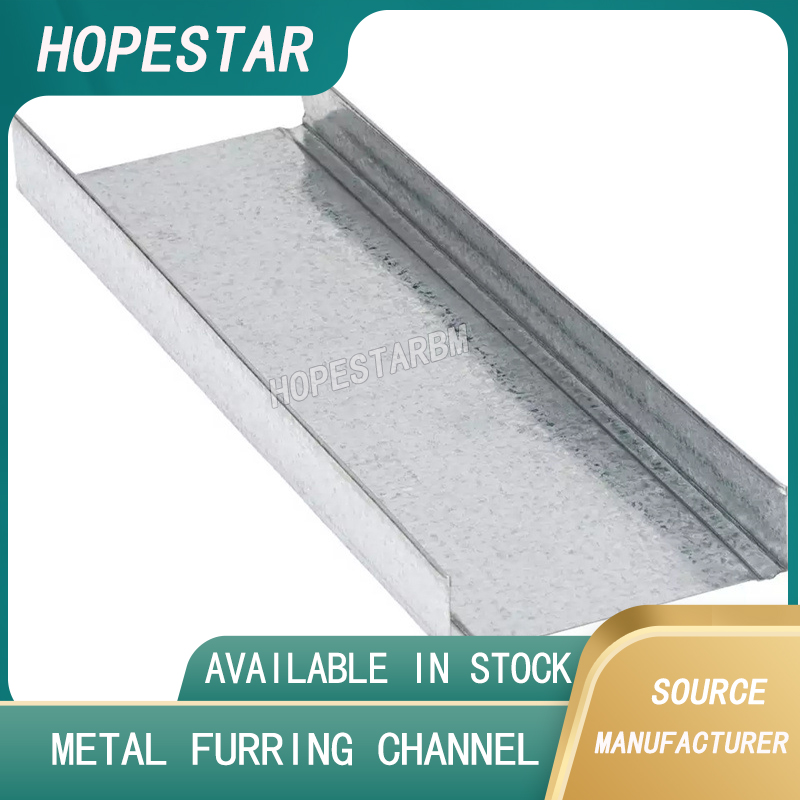
Galvanized steel profiles are the foundational metal framing components widely used in modern interior construction. Roll-formed from cold-rolled steel coated with protective zinc layer, galvanized steel profiles cover a full range of shapes including C studs, U tracks, omega channels,
Galvanized Steel Profiles – Reliable Cold Rolled Framing for Drywall Walls and Ceilings

Metal furring channel for ceiling is a vital secondary framing component widely used in suspended ceiling and drywall ceiling systems. Roll-formed from cold-rolled galvanized steel, this lightweight metal profile works together with main channels, hangers and wall angles to create a level,
Metal Furring Channel for Ceiling – Galvanized Secondary Framing for Suspended Drywall Ceilings

Metal omega channel, also widely called omega furring channel or hat channel, is an indispensable secondary metal framing profile for modern suspended ceilings and drywall wall furring systems. Named after its distinctive Ω shape, this profile is roll-formed from cold-rolled galvanized steel
Metal Omega Channel – Galvanized Omega Furring Channel for Drywall Ceiling and Wall Framing