
Can you use furring strips for a ceiling?
2024-08-19
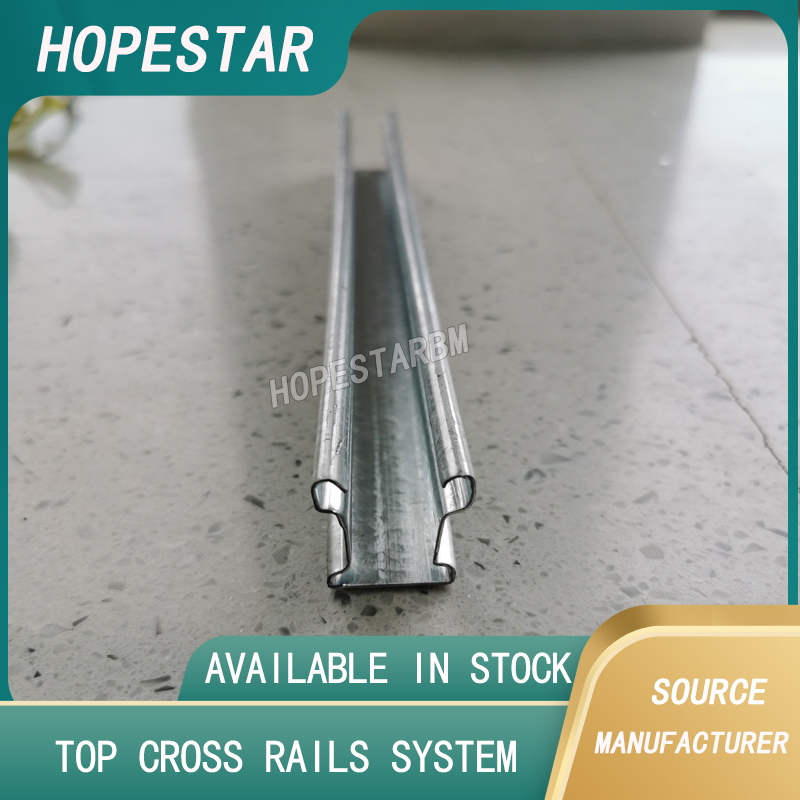
furring strips can be used for a ceiling. In fact, they are commonly used in ceiling construction to create a level surface for attaching finishing materials like gypsum board (drywall), wood paneling, or other ceiling tiles. Here's how and why furring strips are used on ceilings:
Reasons for Using Furring Strips on Ceilings:
Leveling an Uneven Ceiling: If the existing ceiling structure (like joists) is uneven, furring strips can be installed to create a level surface. This makes it easier to attach ceiling materials uniformly.
Leveling an Uneven Ceiling: If the existing ceiling structure (like joists) is uneven, furring strips can be installed to create a level surface. This makes it easier to attach ceiling materials uniformly.
Creating a Space for Insulation or Wiring: Furring strips can create a small gap between the ceiling and the drywall, which can be used for running electrical wiring, plumbing, or adding insulation.
Soundproofing: The gap created by the furring strips can be filled with soundproofing material to reduce noise transmission between floors.
Attaching Lightweight Finishes: Furring strips provide a lightweight and cost-effective way to attach gypsum boards or other ceiling materials without requiring major structural changes.
Installation Process:
Determine Layout: First, the layout of the furring strips is planned. Typically, they are installed perpendicular to the ceiling joists, spaced 12 to 24 inches apart.
Determine Layout: First, the layout of the furring strips is planned. Typically, they are installed perpendicular to the ceiling joists, spaced 12 to 24 inches apart.
Install Furring Strips: The strips are attached to the ceiling joists using nails, screws, or fasteners. It's important to ensure that they are level and evenly spaced.
Attach Ceiling Material: Once the furring strips are securely in place, the chosen ceiling material (like drywall or paneling) is attached to the furring strips.
Using furring strips for a ceiling is a practical solution when you need to create a smooth, level surface or want to add a small gap for utilities or insulation.
Top cross rail suspension clip
What is a Metal Furring Used in Ceilings?
Related Article

Ceiling wall angle, also known as perimeter angle or L-angle, is an indispensable L-shaped metal profile for suspended drywall ceiling systems. Roll-formed from cold-rolled galvanized steel, ceiling wall angle is fixed along the wall perimeter to support the ends of main channels and furring channels,
Ceiling Wall Angle – Galvanized L-Shaped Perimeter Trim for Suspended Drywall Ceilings
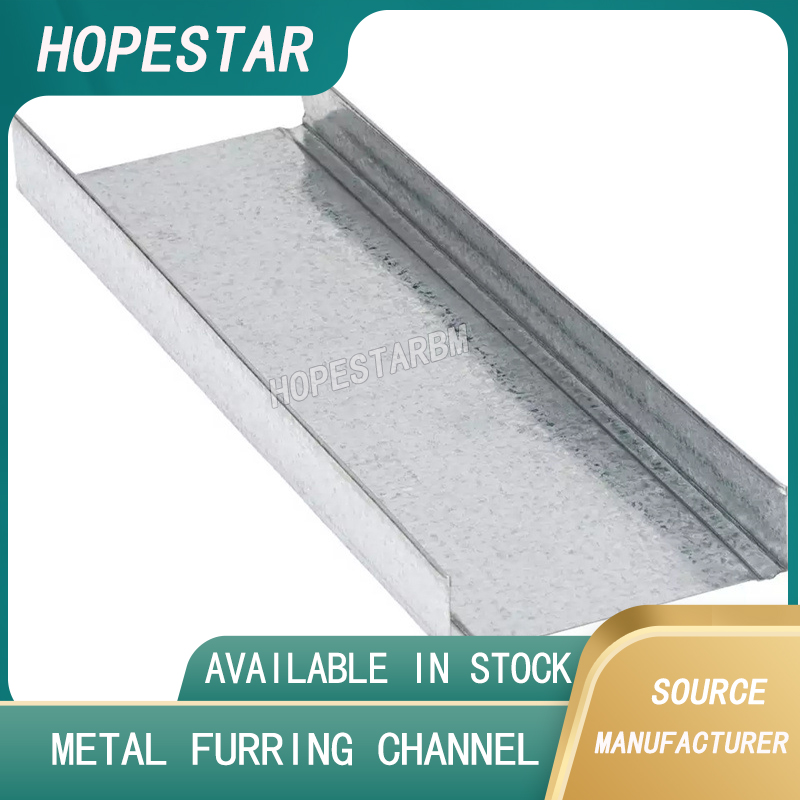
Galvanized steel profiles are the foundational metal framing components widely used in modern interior construction. Roll-formed from cold-rolled steel coated with protective zinc layer, galvanized steel profiles cover a full range of shapes including C studs, U tracks, omega channels,
Galvanized Steel Profiles – Reliable Cold Rolled Framing for Drywall Walls and Ceilings

Metal furring channel for ceiling is a vital secondary framing component widely used in suspended ceiling and drywall ceiling systems. Roll-formed from cold-rolled galvanized steel, this lightweight metal profile works together with main channels, hangers and wall angles to create a level,
Metal Furring Channel for Ceiling – Galvanized Secondary Framing for Suspended Drywall Ceilings

Metal omega channel, also widely called omega furring channel or hat channel, is an indispensable secondary metal framing profile for modern suspended ceilings and drywall wall furring systems. Named after its distinctive Ω shape, this profile is roll-formed from cold-rolled galvanized steel
Metal Omega Channel – Galvanized Omega Furring Channel for Drywall Ceiling and Wall Framing