
What is a Metal Furring Used in Ceilings?
2024-08-16
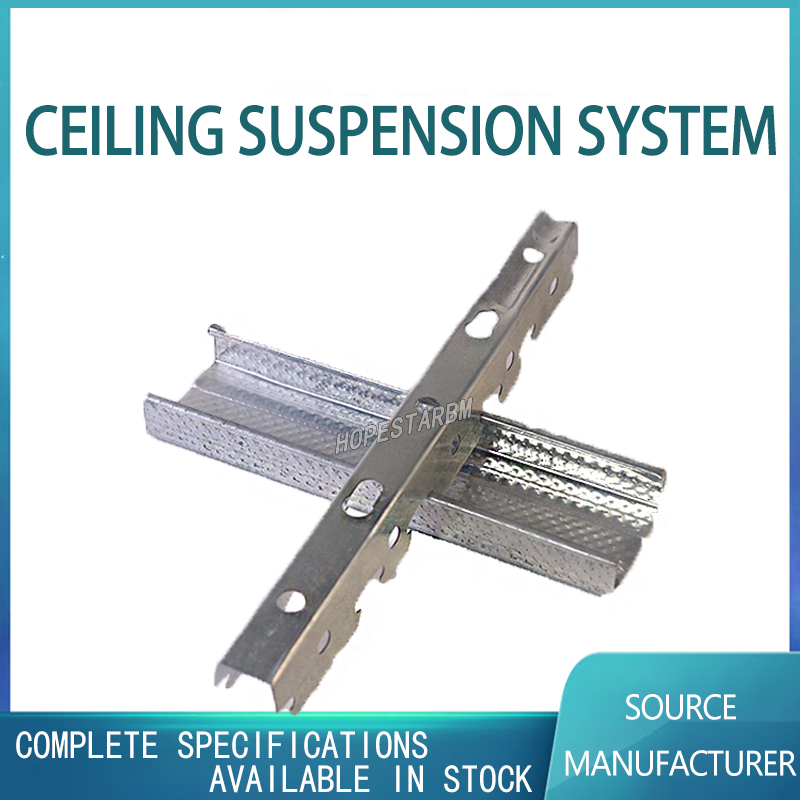
In modern construction, metal furring has become an indispensable component in ceiling systems. Metal furring is a building material used to construct frames or substructures, used to secure gypsum boards, ceiling panels, or other ceiling materials. It not only provides a flat and stable base for the ceiling, but also has various advantages, making it widely used in residential and commercial buildings.
Firstly, one of the main functions of metal furring is to create a flat ceiling surface. In actual construction, the original structure of the ceiling is often not flat enough, and there may be slight unevenness. By installing metal furrings, construction workers can easily adjust and correct these uneven parts, ensuring the final flatness of the ceiling surface. This is crucial for subsequent ceiling decoration, such as the installation of gypsum board or other decorative materials.
Secondly, metal furring provides strong support for ceiling materials. Whether it is gypsum board or other types of ceiling panels, metal furring ensures that these materials are firmly fixed to the ceiling and are not easily detached or deformed. In addition, the high strength and stability of metal furring enable it to withstand large loads, making it suitable for various types of ceiling installation needs.
Another important use is sound insulation. The gap formed between the metal furring and the original ceiling can be filled with soundproofing material, effectively reducing the transmission of noise. This is particularly important in environments where noise interference needs to be reduced, such as home theaters, conference rooms, etc. By embedding sound insulation materials into the metal furring system, the sound quality of the room can be significantly improved, enhancing the comfort of the living or working environment.
The application of metal furring in ceiling systems is also manifested in accommodating pipelines and facilities. In the gap between the ceiling and the metal furring, construction workers can lay electrical wires, pipes, ventilation ducts, and other facilities without affecting the aesthetic and overall appearance of the ceiling. This flexibility makes metal furring particularly popular in modern architecture, especially in buildings that require the installation of complex pipeline systems.
In addition, metal furring has fire and moisture resistance. Metal materials are not easily combustible and can provide better safety in the event of a fire. In humid environments, metal furrings do not absorb moisture like wooden materials, making them more suitable for use in damp places such as bathrooms, kitchens, or basements.
In summary, metal furring not only provides a flat base and strong support in ceiling installation, but also has multiple advantages such as improving sound insulation, accommodating pipelines, enhancing fire and moisture resistance, making it an indispensable and important component in modern architecture. Whether it is residential or commercial buildings, metal furring plays a crucial role in improving building quality and construction efficiency.
Firstly, one of the main functions of metal furring is to create a flat ceiling surface. In actual construction, the original structure of the ceiling is often not flat enough, and there may be slight unevenness. By installing metal furrings, construction workers can easily adjust and correct these uneven parts, ensuring the final flatness of the ceiling surface. This is crucial for subsequent ceiling decoration, such as the installation of gypsum board or other decorative materials.
Secondly, metal furring provides strong support for ceiling materials. Whether it is gypsum board or other types of ceiling panels, metal furring ensures that these materials are firmly fixed to the ceiling and are not easily detached or deformed. In addition, the high strength and stability of metal furring enable it to withstand large loads, making it suitable for various types of ceiling installation needs.
Another important use is sound insulation. The gap formed between the metal furring and the original ceiling can be filled with soundproofing material, effectively reducing the transmission of noise. This is particularly important in environments where noise interference needs to be reduced, such as home theaters, conference rooms, etc. By embedding sound insulation materials into the metal furring system, the sound quality of the room can be significantly improved, enhancing the comfort of the living or working environment.
The application of metal furring in ceiling systems is also manifested in accommodating pipelines and facilities. In the gap between the ceiling and the metal furring, construction workers can lay electrical wires, pipes, ventilation ducts, and other facilities without affecting the aesthetic and overall appearance of the ceiling. This flexibility makes metal furring particularly popular in modern architecture, especially in buildings that require the installation of complex pipeline systems.
In addition, metal furring has fire and moisture resistance. Metal materials are not easily combustible and can provide better safety in the event of a fire. In humid environments, metal furrings do not absorb moisture like wooden materials, making them more suitable for use in damp places such as bathrooms, kitchens, or basements.
In summary, metal furring not only provides a flat base and strong support in ceiling installation, but also has multiple advantages such as improving sound insulation, accommodating pipelines, enhancing fire and moisture resistance, making it an indispensable and important component in modern architecture. Whether it is residential or commercial buildings, metal furring plays a crucial role in improving building quality and construction efficiency.
Can you use furring strips for a ceiling?
What is the thickness of furring channel?
Related Article

Ceiling wall angle, also known as perimeter angle or L-angle, is an indispensable L-shaped metal profile for suspended drywall ceiling systems. Roll-formed from cold-rolled galvanized steel, ceiling wall angle is fixed along the wall perimeter to support the ends of main channels and furring channels,
Ceiling Wall Angle – Galvanized L-Shaped Perimeter Trim for Suspended Drywall Ceilings
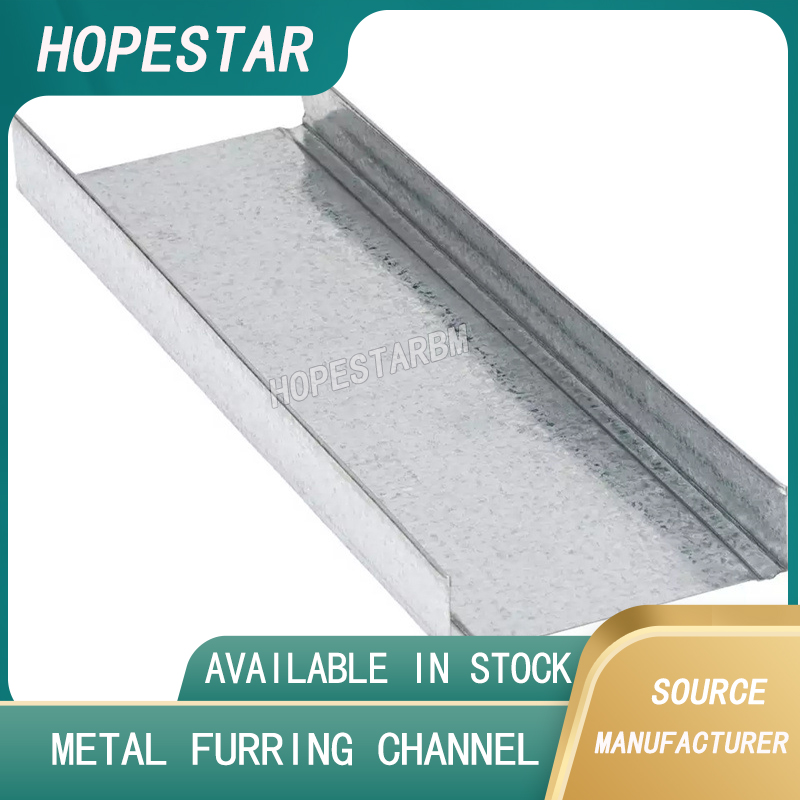
Galvanized steel profiles are the foundational metal framing components widely used in modern interior construction. Roll-formed from cold-rolled steel coated with protective zinc layer, galvanized steel profiles cover a full range of shapes including C studs, U tracks, omega channels,
Galvanized Steel Profiles – Reliable Cold Rolled Framing for Drywall Walls and Ceilings

Metal furring channel for ceiling is a vital secondary framing component widely used in suspended ceiling and drywall ceiling systems. Roll-formed from cold-rolled galvanized steel, this lightweight metal profile works together with main channels, hangers and wall angles to create a level,
Metal Furring Channel for Ceiling – Galvanized Secondary Framing for Suspended Drywall Ceilings

Metal omega channel, also widely called omega furring channel or hat channel, is an indispensable secondary metal framing profile for modern suspended ceilings and drywall wall furring systems. Named after its distinctive Ω shape, this profile is roll-formed from cold-rolled galvanized steel
Metal Omega Channel – Galvanized Omega Furring Channel for Drywall Ceiling and Wall Framing