
What is the difference between a furring channel and a batten?
2024-08-15
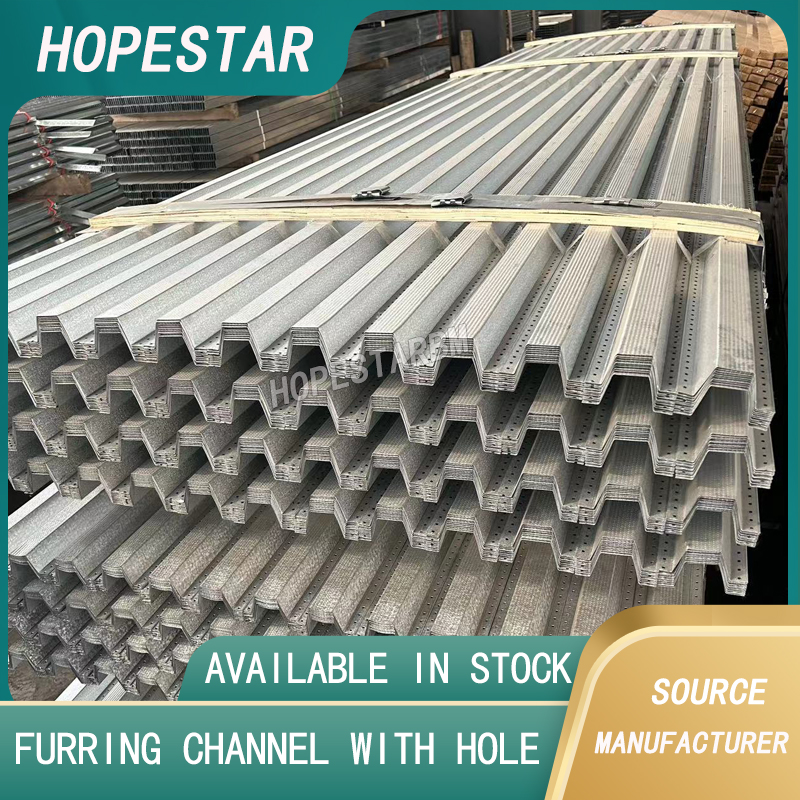
A furring channel and a batten are both used in construction, particularly in creating surfaces for finishes like drywall, cladding, or roofing. However, they differ in design, material, and application:
Furring Channel:
Material: Typically made of metal, usually galvanized steel.
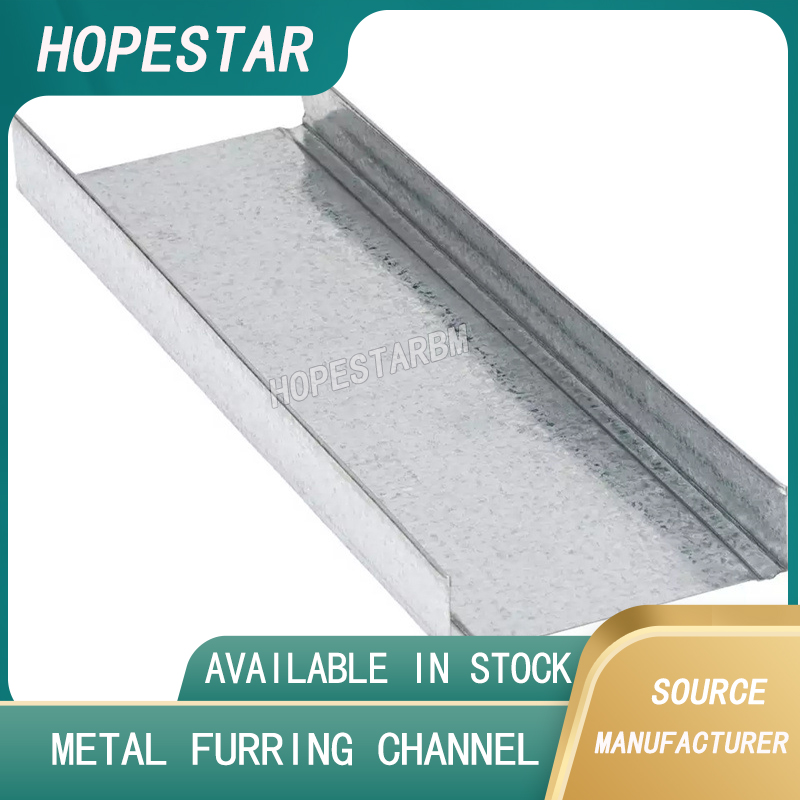
Shape: It has a distinctive shape, often a "hat" profile (with a wide, flat top and short vertical sides).
Purpose: Primarily used in interior construction to create a level surface for attaching drywall or other wall coverings. It is attached to the structure (walls, ceilings) and helps in managing uneven surfaces, allowing for the installation of drywall over it.
Installation: Furring channels are spaced at regular intervals (often 16" or 24" on center) and run perpendicular to the framing members (like studs or joists).
Use Case: Commonly used in commercial and residential buildings for suspended ceilings, walls, or other surfaces where a flat, smooth finish is required.
Batten:
Material: Typically made of wood, but can also be made of metal or plastic.
Shape: Usually rectangular or square in cross-section.
Purpose: Battens are used in a wide range of applications, from roofing and cladding to creating space for insulation, or as a base for attaching exterior siding or roofing materials.
Installation: Battens can be installed vertically, horizontally, or diagonally, depending on the application. They are often spaced according to the requirements of the material they are supporting (like shingles, tiles, or cladding).
Use Case: Commonly used in exterior applications such as roofing (to support tiles or shingles) or cladding systems, as well as in traditional wood framing.
Key Differences:
Material: Furring channels are usually metal, while battens are more commonly wood (though both can come in different materials).
Shape: Furring channels have a distinct profile shape, while battens are generally simple rectangular sections.
Application: Furring channels are mainly used for interior applications to level surfaces for drywall, while battens are used in various construction applications, including exterior cladding and roofing.
In summary, while both serve as supports in construction, furring channels are specialized for leveling interior surfaces, whereas battens are more versatile, used in various structural and finish applications.
Material: Typically made of metal, usually galvanized steel.
Shape: It has a distinctive shape, often a "hat" profile (with a wide, flat top and short vertical sides).
Purpose: Primarily used in interior construction to create a level surface for attaching drywall or other wall coverings. It is attached to the structure (walls, ceilings) and helps in managing uneven surfaces, allowing for the installation of drywall over it.
Installation: Furring channels are spaced at regular intervals (often 16" or 24" on center) and run perpendicular to the framing members (like studs or joists).
Use Case: Commonly used in commercial and residential buildings for suspended ceilings, walls, or other surfaces where a flat, smooth finish is required.
Batten:
Material: Typically made of wood, but can also be made of metal or plastic.
Shape: Usually rectangular or square in cross-section.
Purpose: Battens are used in a wide range of applications, from roofing and cladding to creating space for insulation, or as a base for attaching exterior siding or roofing materials.
Installation: Battens can be installed vertically, horizontally, or diagonally, depending on the application. They are often spaced according to the requirements of the material they are supporting (like shingles, tiles, or cladding).
Use Case: Commonly used in exterior applications such as roofing (to support tiles or shingles) or cladding systems, as well as in traditional wood framing.
Key Differences:
Material: Furring channels are usually metal, while battens are more commonly wood (though both can come in different materials).
Shape: Furring channels have a distinct profile shape, while battens are generally simple rectangular sections.
Application: Furring channels are mainly used for interior applications to level surfaces for drywall, while battens are used in various construction applications, including exterior cladding and roofing.
In summary, while both serve as supports in construction, furring channels are specialized for leveling interior surfaces, whereas battens are more versatile, used in various structural and finish applications.
What is the size of metal carrying channel?
What is the difference between a furring channel and a hat channel?
Related Article

Ceiling wall angle, also known as perimeter angle or L-angle, is an indispensable L-shaped metal profile for suspended drywall ceiling systems. Roll-formed from cold-rolled galvanized steel, ceiling wall angle is fixed along the wall perimeter to support the ends of main channels and furring channels,
Ceiling Wall Angle – Galvanized L-Shaped Perimeter Trim for Suspended Drywall Ceilings
Galvanized steel profiles are the foundational metal framing components widely used in modern interior construction. Roll-formed from cold-rolled steel coated with protective zinc layer, galvanized steel profiles cover a full range of shapes including C studs, U tracks, omega channels,
Galvanized Steel Profiles – Reliable Cold Rolled Framing for Drywall Walls and Ceilings

Metal furring channel for ceiling is a vital secondary framing component widely used in suspended ceiling and drywall ceiling systems. Roll-formed from cold-rolled galvanized steel, this lightweight metal profile works together with main channels, hangers and wall angles to create a level,
Metal Furring Channel for Ceiling – Galvanized Secondary Framing for Suspended Drywall Ceilings

Metal omega channel, also widely called omega furring channel or hat channel, is an indispensable secondary metal framing profile for modern suspended ceilings and drywall wall furring systems. Named after its distinctive Ω shape, this profile is roll-formed from cold-rolled galvanized steel
Metal Omega Channel – Galvanized Omega Furring Channel for Drywall Ceiling and Wall Framing