
What is the difference between a furring channel and a hat channel?
2024-08-15
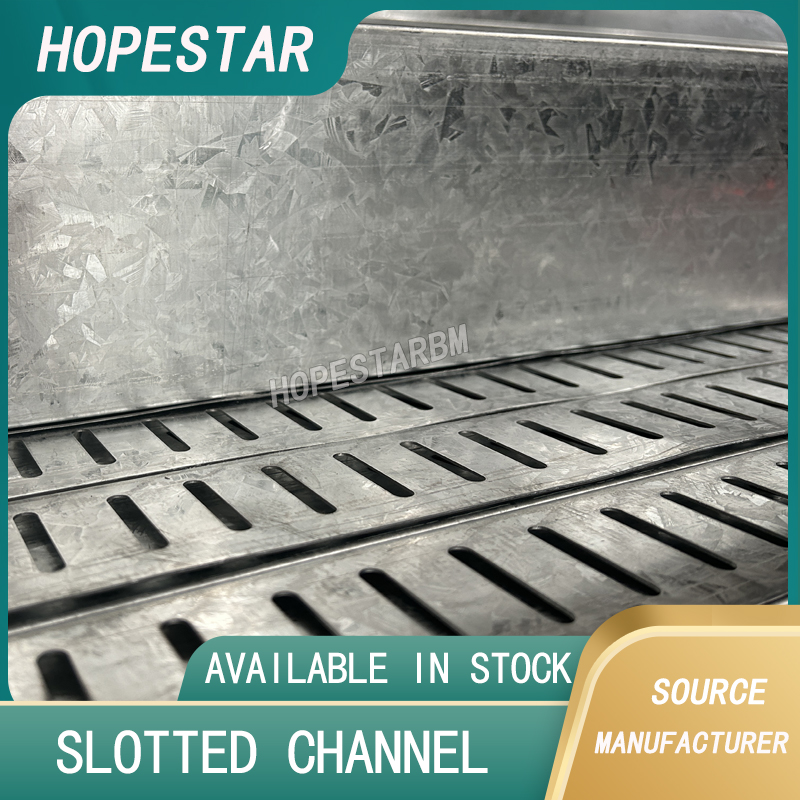
Furring channels and hat channels are both metal profiles used in construction to create a framework for attaching wallboards, drywall, or other materials. However, they serve slightly different purposes and have different shapes and uses. Here's a breakdown of the differences:
1. Shape and Design:
Furring Channel:
Furring channels have a “C” or “U” shape with a flat back and sides that extend outwards.
They are typically used in ceiling systems or to create a level surface for walls that are uneven or require additional support.
Hat Channel:
Hat channels have a “hat” shape, with two vertical sides and a flat top and bottom flange.
The "hat" shape provides extra rigidity, making it ideal for situations where additional structural support is needed.
2. Primary Use:
Furring Channel:
Primarily used to create a level surface on which to attach wall coverings like drywall or paneling.
Commonly used in masonry, concrete walls, or ceilings to create a gap between the wall and the exterior surface for insulation or moisture control.
Hat Channel:
Typically used in wall and ceiling assemblies where soundproofing, fireproofing, or additional support is required.
Often used in conjunction with resilient sound isolation clips for enhanced acoustic performance in walls and ceilings.
3. Installation Method:
Furring Channel:
Installed horizontally or vertically over existing surfaces or directly attached to structural framing members.
The flat back of the furring channel makes it easier to install on uneven surfaces.
Hat Channel:
Generally installed horizontally across wall studs or ceiling joists.
The "hat" shape makes it ideal for spanning distances between framing members, adding rigidity to the assembly.
4. Material Thickness and Strength:
Furring Channel:
Typically lighter gauge steel, as it's primarily used to create a flat surface rather than provide structural support.
Hat Channel:
Usually available in heavier gauges because it may need to support more weight or add structural strength to a wall or ceiling.
5. Application Context:
Furring Channel:
Best suited for interior wall and ceiling applications where the main goal is to provide a surface for attaching finishing materials.
Hat Channel:
Often used in commercial or industrial settings where additional support or specific performance characteristics, like fire resistance or sound insulation, are required.
In summary, while both furring channels and hat channels are used to support wall and ceiling assemblies, hat channels are generally stronger and more rigid, making them suitable for applications that require additional support or performance characteristics. Furring channels are typically used to create a level surface over existing substrates.
Furring Channel:
Furring channels have a “C” or “U” shape with a flat back and sides that extend outwards.
They are typically used in ceiling systems or to create a level surface for walls that are uneven or require additional support.
Hat Channel:
Hat channels have a “hat” shape, with two vertical sides and a flat top and bottom flange.
The "hat" shape provides extra rigidity, making it ideal for situations where additional structural support is needed.
2. Primary Use:
Furring Channel:
Primarily used to create a level surface on which to attach wall coverings like drywall or paneling.
Commonly used in masonry, concrete walls, or ceilings to create a gap between the wall and the exterior surface for insulation or moisture control.
Hat Channel:
Typically used in wall and ceiling assemblies where soundproofing, fireproofing, or additional support is required.
Often used in conjunction with resilient sound isolation clips for enhanced acoustic performance in walls and ceilings.
3. Installation Method:
Furring Channel:
Installed horizontally or vertically over existing surfaces or directly attached to structural framing members.
The flat back of the furring channel makes it easier to install on uneven surfaces.
Hat Channel:
Generally installed horizontally across wall studs or ceiling joists.
The "hat" shape makes it ideal for spanning distances between framing members, adding rigidity to the assembly.
4. Material Thickness and Strength:
Furring Channel:
Typically lighter gauge steel, as it's primarily used to create a flat surface rather than provide structural support.
Hat Channel:
Usually available in heavier gauges because it may need to support more weight or add structural strength to a wall or ceiling.
5. Application Context:
Furring Channel:
Best suited for interior wall and ceiling applications where the main goal is to provide a surface for attaching finishing materials.
Hat Channel:
Often used in commercial or industrial settings where additional support or specific performance characteristics, like fire resistance or sound insulation, are required.
In summary, while both furring channels and hat channels are used to support wall and ceiling assemblies, hat channels are generally stronger and more rigid, making them suitable for applications that require additional support or performance characteristics. Furring channels are typically used to create a level surface over existing substrates.
What is the difference between a furring channel and a batten?
What is an aluminum hat channel used for?
Related Article

Ceiling wall angle, also known as perimeter angle or L-angle, is an indispensable L-shaped metal profile for suspended drywall ceiling systems. Roll-formed from cold-rolled galvanized steel, ceiling wall angle is fixed along the wall perimeter to support the ends of main channels and furring channels,
Ceiling Wall Angle – Galvanized L-Shaped Perimeter Trim for Suspended Drywall Ceilings
Galvanized steel profiles are the foundational metal framing components widely used in modern interior construction. Roll-formed from cold-rolled steel coated with protective zinc layer, galvanized steel profiles cover a full range of shapes including C studs, U tracks, omega channels,
Galvanized Steel Profiles – Reliable Cold Rolled Framing for Drywall Walls and Ceilings

Metal furring channel for ceiling is a vital secondary framing component widely used in suspended ceiling and drywall ceiling systems. Roll-formed from cold-rolled galvanized steel, this lightweight metal profile works together with main channels, hangers and wall angles to create a level,
Metal Furring Channel for Ceiling – Galvanized Secondary Framing for Suspended Drywall Ceilings

Metal omega channel, also widely called omega furring channel or hat channel, is an indispensable secondary metal framing profile for modern suspended ceilings and drywall wall furring systems. Named after its distinctive Ω shape, this profile is roll-formed from cold-rolled galvanized steel
Metal Omega Channel – Galvanized Omega Furring Channel for Drywall Ceiling and Wall Framing