
What is an aluminum hat channel used for?
2024-08-15
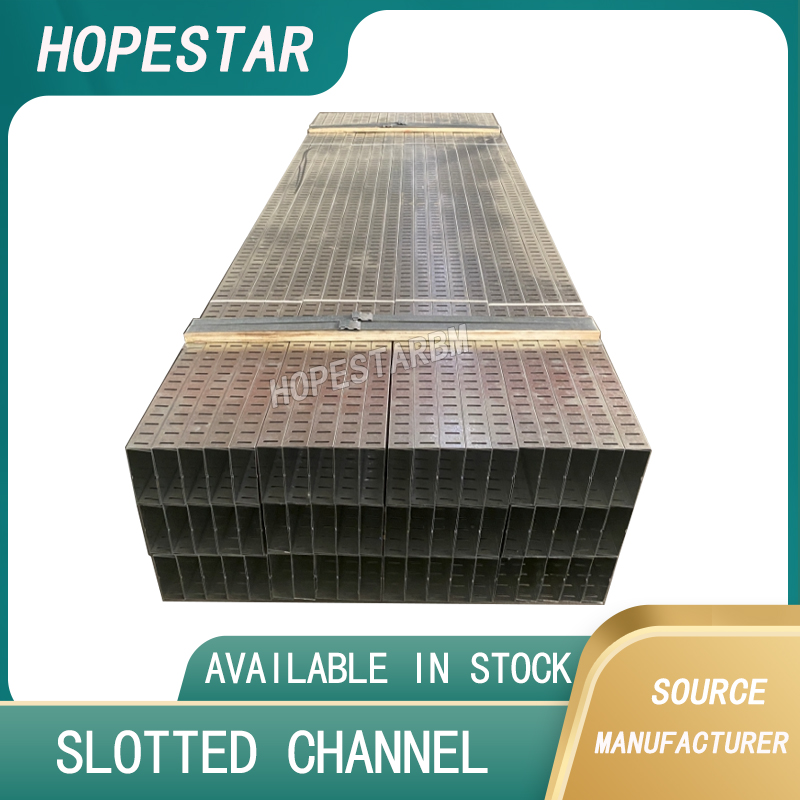
An aluminum hat channel is a type of metal framing used in construction, primarily for mounting drywall, paneling, or other materials to a wall or ceiling. Its name comes from its cross-sectional shape, which resembles a hat.
Key Uses of Aluminum Hat Channels:
Drywall Installation: Hat channels are often used in drywall applications to provide a secure, level surface to which the drywall can be attached. They help in creating a uniform plane, especially on uneven surfaces.
Drywall Installation: Hat channels are often used in drywall applications to provide a secure, level surface to which the drywall can be attached. They help in creating a uniform plane, especially on uneven surfaces.
Ceiling Systems: In suspended ceiling systems, hat channels are used to support ceiling tiles or panels. They help distribute the weight of the ceiling materials evenly and provide a rigid frame.
Soundproofing: When installed with resilient clips, hat channels can decouple the drywall from the structural framing, reducing sound transmission between rooms. This is particularly useful in commercial buildings or multi-family housing.
Exterior Cladding: Aluminum hat channels can be used in exterior cladding systems to create a ventilated space between the cladding material and the building’s structural wall. This helps in moisture management and extends the life of the cladding.
Fireproofing: Hat channels can also support fireproofing materials, such as cement boards, in fire-rated construction assemblies.
Overall, aluminum hat channels are valued for their durability, corrosion resistance, and lightweight properties, making them a versatile component in various construction and architectural applications.
What is the difference between a furring channel and a hat channel?
metal hat channel sizes
Related Article

Ceiling wall angle, also known as perimeter angle or L-angle, is an indispensable L-shaped metal profile for suspended drywall ceiling systems. Roll-formed from cold-rolled galvanized steel, ceiling wall angle is fixed along the wall perimeter to support the ends of main channels and furring channels,
Ceiling Wall Angle – Galvanized L-Shaped Perimeter Trim for Suspended Drywall Ceilings
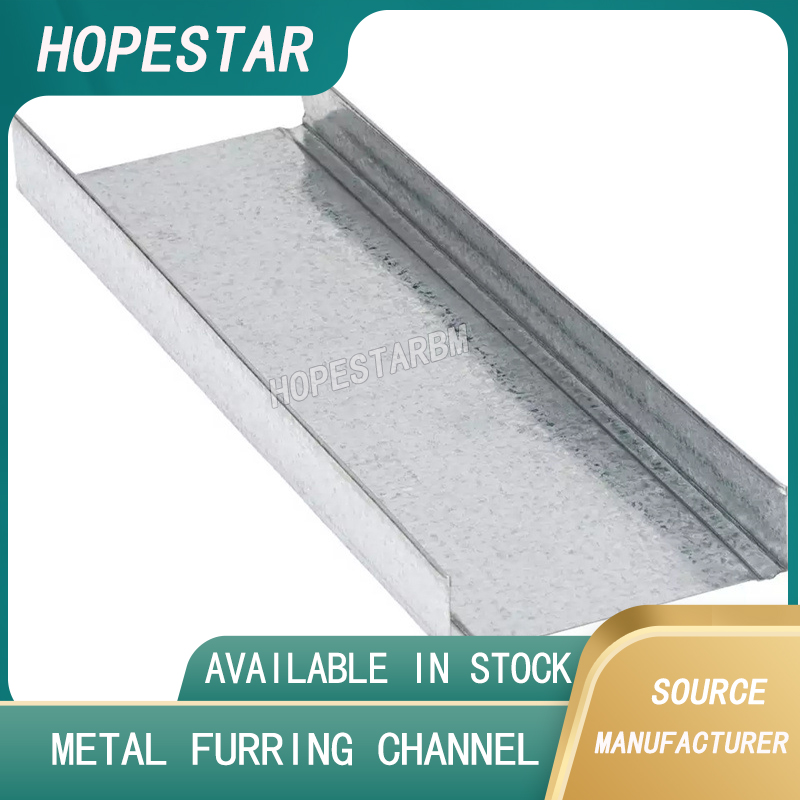
Galvanized steel profiles are the foundational metal framing components widely used in modern interior construction. Roll-formed from cold-rolled steel coated with protective zinc layer, galvanized steel profiles cover a full range of shapes including C studs, U tracks, omega channels,
Galvanized Steel Profiles – Reliable Cold Rolled Framing for Drywall Walls and Ceilings

Metal furring channel for ceiling is a vital secondary framing component widely used in suspended ceiling and drywall ceiling systems. Roll-formed from cold-rolled galvanized steel, this lightweight metal profile works together with main channels, hangers and wall angles to create a level,
Metal Furring Channel for Ceiling – Galvanized Secondary Framing for Suspended Drywall Ceilings

Metal omega channel, also widely called omega furring channel or hat channel, is an indispensable secondary metal framing profile for modern suspended ceilings and drywall wall furring systems. Named after its distinctive Ω shape, this profile is roll-formed from cold-rolled galvanized steel
Metal Omega Channel – Galvanized Omega Furring Channel for Drywall Ceiling and Wall Framing