
what is metal furring ceiling?What is the installation process?
2024-08-13
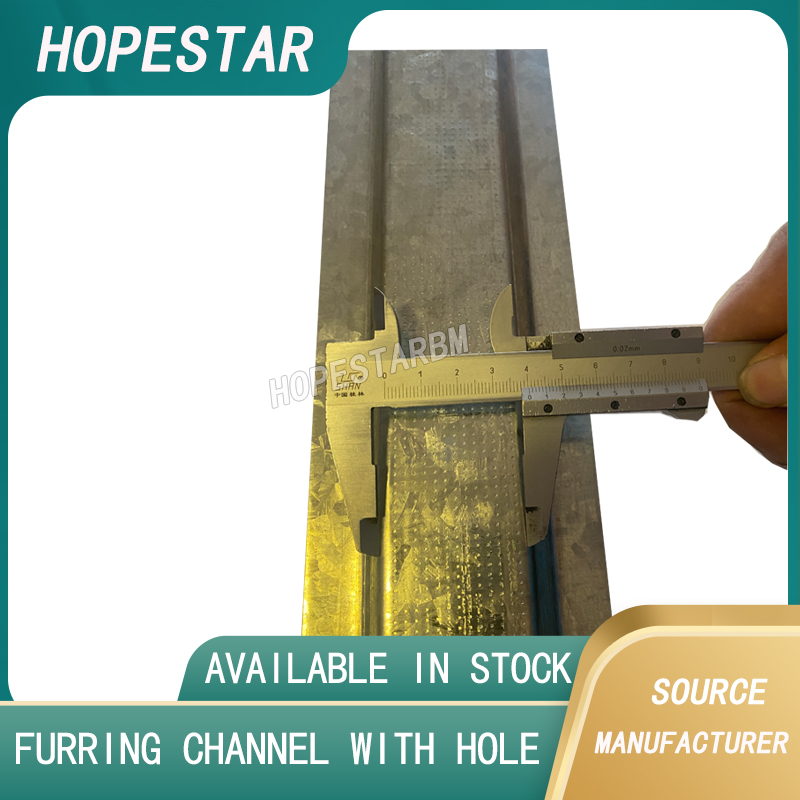
A metal furring ceiling is a type of suspended ceiling system that uses metal channels, known as furring channels or metal furring, as a framework to support ceiling materials like drywall, plasterboard, or other finishing materials. Here's how it works:
Components of a Metal Furring Ceiling:
Furring Channels: These are the primary structural elements. They are lightweight, usually made of galvanized steel, and come in various profiles (e.g., C-shaped, Z-shaped).
Carrying Channels/Main Runners: These are attached to the ceiling or roof structure and run perpendicular to the furring channels. They bear the main load of the ceiling.
Hangers/Support Wires: These are used to suspend the carrying channels from the overhead structure.
Cross Channels: These are placed perpendicular to the furring channels and help create a grid system, adding strength and rigidity.
Ceiling Board or Panels: This is the visible part of the ceiling, often made of drywall or gypsum board, which is attached to the furring channels.
Installation Process:
Frame Installation: The carrying channels are first attached to the ceiling joists or slab using hangers or support wires.
Furring Channel Installation: Furring channels are then fastened to the carrying channels to create a grid-like framework.
Ceiling Board Attachment: The ceiling boards or panels are screwed or nailed to the furring channels.
Benefits:
Lightweight: The use of metal makes the structure lighter than traditional wood framing.
Durability: Metal furring is resistant to moisture, termites, and fire, which increases the lifespan of the ceiling.
Flexibility: It allows for easy installation of electrical wiring, plumbing, and insulation within the ceiling cavity.
Smooth Finish: The system provides a flat surface for attaching ceiling materials, leading to a clean, smooth finish.
Metal furring ceilings are commonly used in both residential and commercial buildings, especially in areas where a suspended ceiling is desired for aesthetic or practical reasons.
Furring Channels: These are the primary structural elements. They are lightweight, usually made of galvanized steel, and come in various profiles (e.g., C-shaped, Z-shaped).
Carrying Channels/Main Runners: These are attached to the ceiling or roof structure and run perpendicular to the furring channels. They bear the main load of the ceiling.
Hangers/Support Wires: These are used to suspend the carrying channels from the overhead structure.
Cross Channels: These are placed perpendicular to the furring channels and help create a grid system, adding strength and rigidity.
Ceiling Board or Panels: This is the visible part of the ceiling, often made of drywall or gypsum board, which is attached to the furring channels.
Installation Process:
Frame Installation: The carrying channels are first attached to the ceiling joists or slab using hangers or support wires.
Furring Channel Installation: Furring channels are then fastened to the carrying channels to create a grid-like framework.
Ceiling Board Attachment: The ceiling boards or panels are screwed or nailed to the furring channels.
Benefits:
Lightweight: The use of metal makes the structure lighter than traditional wood framing.
Durability: Metal furring is resistant to moisture, termites, and fire, which increases the lifespan of the ceiling.
Flexibility: It allows for easy installation of electrical wiring, plumbing, and insulation within the ceiling cavity.
Smooth Finish: The system provides a flat surface for attaching ceiling materials, leading to a clean, smooth finish.
Metal furring ceilings are commonly used in both residential and commercial buildings, especially in areas where a suspended ceiling is desired for aesthetic or practical reasons.
Features of Top Cross Rail
Applications of Nogging Tracks
Related Article

Ceiling wall angle, also known as perimeter angle or L-angle, is an indispensable L-shaped metal profile for suspended drywall ceiling systems. Roll-formed from cold-rolled galvanized steel, ceiling wall angle is fixed along the wall perimeter to support the ends of main channels and furring channels,
Ceiling Wall Angle – Galvanized L-Shaped Perimeter Trim for Suspended Drywall Ceilings
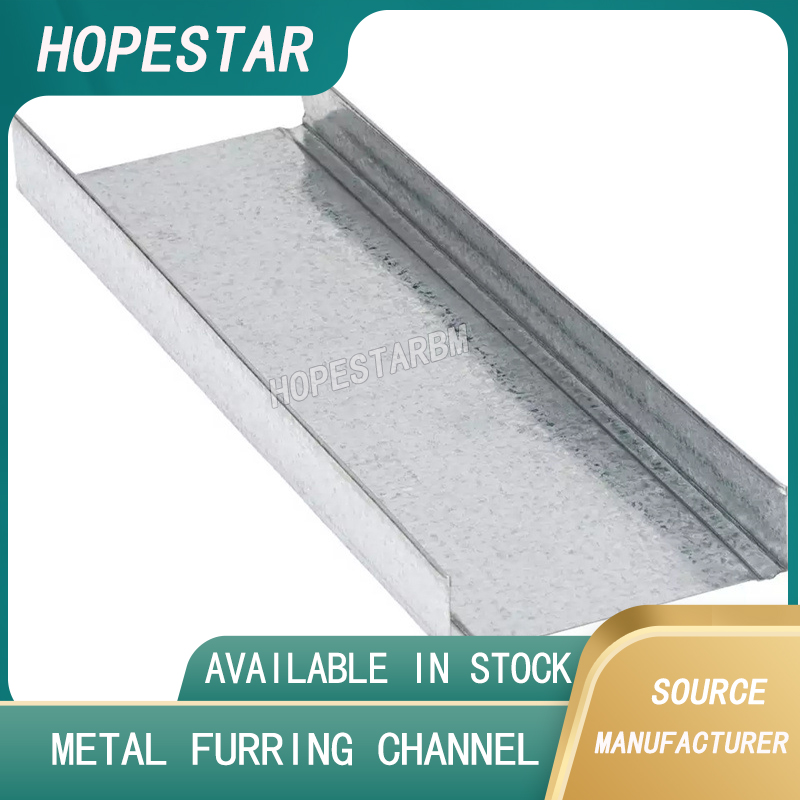
Galvanized steel profiles are the foundational metal framing components widely used in modern interior construction. Roll-formed from cold-rolled steel coated with protective zinc layer, galvanized steel profiles cover a full range of shapes including C studs, U tracks, omega channels,
Galvanized Steel Profiles – Reliable Cold Rolled Framing for Drywall Walls and Ceilings

Metal furring channel for ceiling is a vital secondary framing component widely used in suspended ceiling and drywall ceiling systems. Roll-formed from cold-rolled galvanized steel, this lightweight metal profile works together with main channels, hangers and wall angles to create a level,
Metal Furring Channel for Ceiling – Galvanized Secondary Framing for Suspended Drywall Ceilings

Metal omega channel, also widely called omega furring channel or hat channel, is an indispensable secondary metal framing profile for modern suspended ceilings and drywall wall furring systems. Named after its distinctive Ω shape, this profile is roll-formed from cold-rolled galvanized steel
Metal Omega Channel – Galvanized Omega Furring Channel for Drywall Ceiling and Wall Framing