
galvanized hat channel
2024-08-08
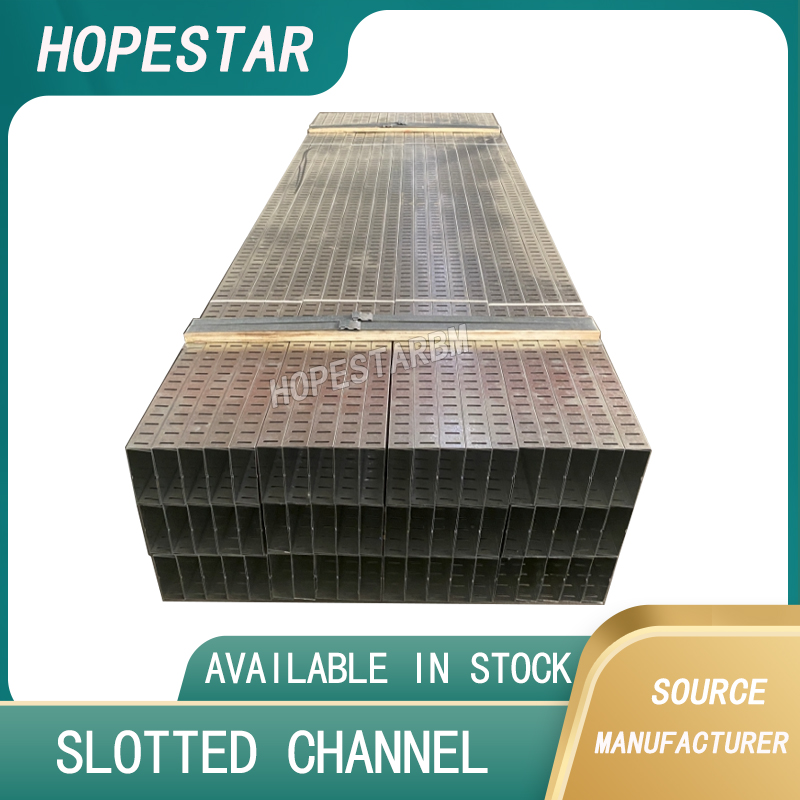
Galvanized Hat Channel, Galvanized channel steel is a steel product that has undergone special galvanizing treatment to improve corrosion resistance. Its unique "cap" shaped cross-sectional design endows it with strong load-bearing capacity and good stability.
The main raw materials for Galvanized Hat Channel are high-quality low-carbon steel or low-alloy steel, which is formed by hot rolling or cold rolling and then galvanized. The galvanizing process is a key step, which effectively isolates the steel from direct contact with corrosive factors such as oxygen and moisture in the external environment by depositing a layer of zinc on the surface of the steel, thereby greatly extending the service life of the steel. This zinc layer not only has good corrosion resistance, but also forms a hard protective film on the surface of the steel, further enhancing its protective ability.
There are various methods of galvanizing, commonly including hot-dip galvanizing and electroplating galvanizing. Hot dip galvanizing is a commonly used galvanizing method for Galvanized Hat Channel, which involves immersing cleaned steel in molten zinc solution and forming a uniform layer of zinc iron alloy and pure zinc on the surface of the steel through chemical reactions. The galvanized layer is thick and has strong adhesion. Electrogalvanizing is the process of depositing a thin layer of zinc on the surface of steel through electrolysis, which is suitable for applications that require high surface quality.
The production process of Galvanized Hat Channel involves multiple stages such as raw material inspection, cutting, forming, welding (if necessary), straightening, galvanizing, cooling, and inspection. Among them, forming and galvanizing are two core technological processes. During the molding process, precise mold design and strict process control are used to ensure that the cross-sectional dimensions and shape of the channel steel meet standard requirements; During the galvanizing process, it is necessary to strictly control parameters such as the temperature of the zinc solution and the immersion time to ensure the uniformity and thickness of the galvanized layer.
In terms of quality control, manufacturers usually adopt strict self inspection, mutual inspection, and specialized inspection systems to ensure that each batch of products meets relevant national or industry standards. At the same time, regular type tests and sampling inspections will be conducted to verify the overall performance and durability of the product.
Galvanized Hat Channel has been widely used in various fields such as construction, bridges, roads, machinery manufacturing, and power communication due to its excellent material properties and manufacturing processes. In the field of architecture, it is often used as a load-bearing structural component, supporting beam, roof panel purlin, etc. Its high strength, high stability, and good corrosion resistance provide strong guarantees for the stability and safety of buildings. In bridge engineering, Galvanized Hat Channel is an ideal choice for structures such as bridge decks and pier supports due to its lightweight, high strength, and ease of construction.
In addition, Galvanized Hat Channel plays an important role in harsh corrosive environments such as marine engineering and chemical plants due to its excellent anti-corrosion performance. The galvanized layer can effectively resist the erosion of corrosive media such as salt spray and acid alkali, prolong the service life of the equipment, and reduce maintenance costs.
The main raw materials for Galvanized Hat Channel are high-quality low-carbon steel or low-alloy steel, which is formed by hot rolling or cold rolling and then galvanized. The galvanizing process is a key step, which effectively isolates the steel from direct contact with corrosive factors such as oxygen and moisture in the external environment by depositing a layer of zinc on the surface of the steel, thereby greatly extending the service life of the steel. This zinc layer not only has good corrosion resistance, but also forms a hard protective film on the surface of the steel, further enhancing its protective ability.
There are various methods of galvanizing, commonly including hot-dip galvanizing and electroplating galvanizing. Hot dip galvanizing is a commonly used galvanizing method for Galvanized Hat Channel, which involves immersing cleaned steel in molten zinc solution and forming a uniform layer of zinc iron alloy and pure zinc on the surface of the steel through chemical reactions. The galvanized layer is thick and has strong adhesion. Electrogalvanizing is the process of depositing a thin layer of zinc on the surface of steel through electrolysis, which is suitable for applications that require high surface quality.
The production process of Galvanized Hat Channel involves multiple stages such as raw material inspection, cutting, forming, welding (if necessary), straightening, galvanizing, cooling, and inspection. Among them, forming and galvanizing are two core technological processes. During the molding process, precise mold design and strict process control are used to ensure that the cross-sectional dimensions and shape of the channel steel meet standard requirements; During the galvanizing process, it is necessary to strictly control parameters such as the temperature of the zinc solution and the immersion time to ensure the uniformity and thickness of the galvanized layer.
In terms of quality control, manufacturers usually adopt strict self inspection, mutual inspection, and specialized inspection systems to ensure that each batch of products meets relevant national or industry standards. At the same time, regular type tests and sampling inspections will be conducted to verify the overall performance and durability of the product.
Galvanized Hat Channel has been widely used in various fields such as construction, bridges, roads, machinery manufacturing, and power communication due to its excellent material properties and manufacturing processes. In the field of architecture, it is often used as a load-bearing structural component, supporting beam, roof panel purlin, etc. Its high strength, high stability, and good corrosion resistance provide strong guarantees for the stability and safety of buildings. In bridge engineering, Galvanized Hat Channel is an ideal choice for structures such as bridge decks and pier supports due to its lightweight, high strength, and ease of construction.
In addition, Galvanized Hat Channel plays an important role in harsh corrosive environments such as marine engineering and chemical plants due to its excellent anti-corrosion performance. The galvanized layer can effectively resist the erosion of corrosive media such as salt spray and acid alkali, prolong the service life of the equipment, and reduce maintenance costs.
drywall corner tape with metal
Galvanized Steel Drywall Perforated Metal Corner Bead
Related Article

Ceiling wall angle, also known as perimeter angle or L-angle, is an indispensable L-shaped metal profile for suspended drywall ceiling systems. Roll-formed from cold-rolled galvanized steel, ceiling wall angle is fixed along the wall perimeter to support the ends of main channels and furring channels,
Ceiling Wall Angle – Galvanized L-Shaped Perimeter Trim for Suspended Drywall Ceilings
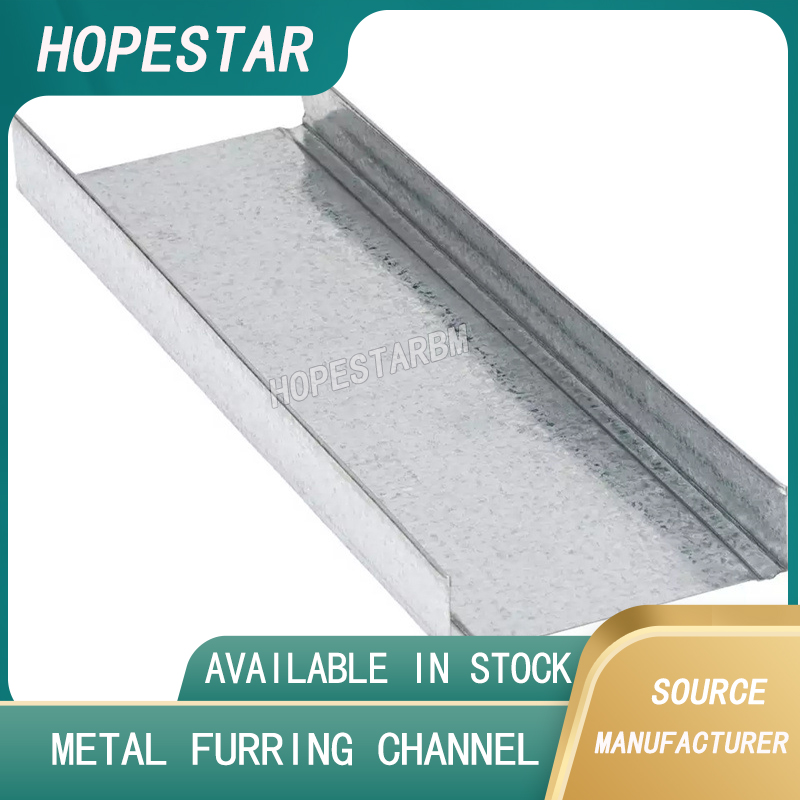
Galvanized steel profiles are the foundational metal framing components widely used in modern interior construction. Roll-formed from cold-rolled steel coated with protective zinc layer, galvanized steel profiles cover a full range of shapes including C studs, U tracks, omega channels,
Galvanized Steel Profiles – Reliable Cold Rolled Framing for Drywall Walls and Ceilings

Metal furring channel for ceiling is a vital secondary framing component widely used in suspended ceiling and drywall ceiling systems. Roll-formed from cold-rolled galvanized steel, this lightweight metal profile works together with main channels, hangers and wall angles to create a level,
Metal Furring Channel for Ceiling – Galvanized Secondary Framing for Suspended Drywall Ceilings

Metal omega channel, also widely called omega furring channel or hat channel, is an indispensable secondary metal framing profile for modern suspended ceilings and drywall wall furring systems. Named after its distinctive Ω shape, this profile is roll-formed from cold-rolled galvanized steel
Metal Omega Channel – Galvanized Omega Furring Channel for Drywall Ceiling and Wall Framing