
What are slotted channels used for?
2024-08-02
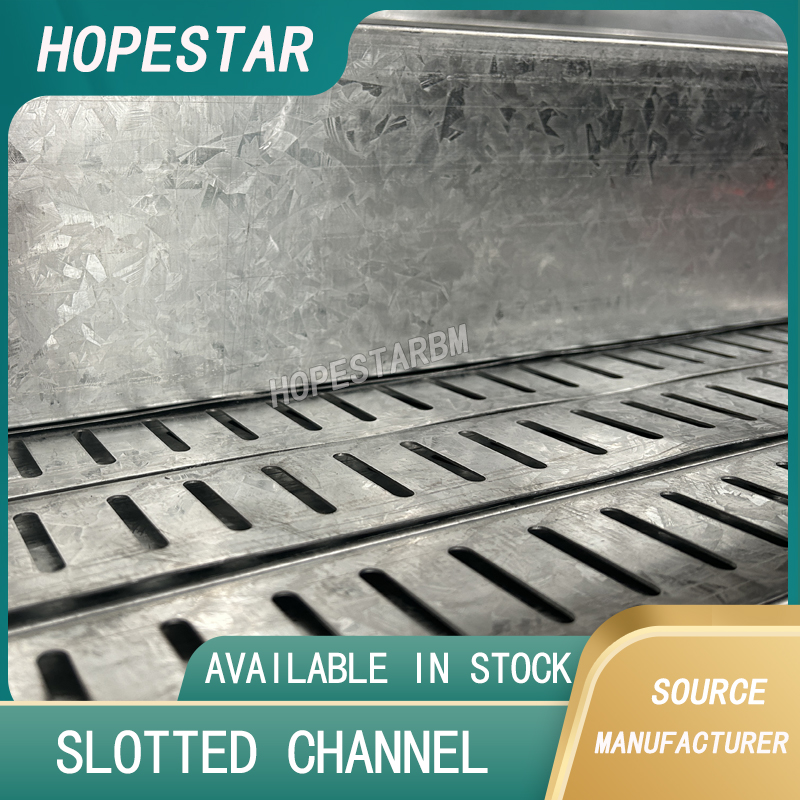
slotted channels , As the name suggests, it is a bracket structure formed by slotting on a metal plate through a specific process. This design not only reduces the weight of the bracket itself, but also greatly enhances its structural strength and rigidity. Its unique slotted design allows for flexible installation of pipelines in both horizontal and vertical directions, while providing stable support points that effectively resist displacement and vibration caused by fluid flow, temperature changes, or external loads.
In terms of functional features, slotted channels demonstrate a high degree of adaptability and durability. It can adapt to various sizes of pipelines, from small water pipes to large industrial pipelines, and can find suitable installation solutions. In addition, high-quality slotted channel materials such as stainless steel, galvanized steel, etc. have good corrosion resistance and can be used for a long time in harsh environmental conditions without being affected, greatly reducing maintenance costs.
The installation process of slotted channels is relatively simple and fast, but it also requires strict adherence to operating standards to ensure installation quality. Firstly, precise measurements need to be taken based on the pipeline layout and support requirements to determine the location and quantity of slotted channels. Subsequently, use specialized tools to secure the slotted channel to the wall, ceiling, or floor, ensuring that the bracket is stable and does not shake. When installing the pipeline, the reserved holes on the slotted channel should be used to firmly fix the pipeline to the bracket through bolts, clamps, and other connectors. Finally, conduct a comprehensive inspection to ensure that all connections are tight and leak free, and that the brackets are stable and reliable.
Although slotted channels have excellent durability, they still require attention to maintenance and upkeep during long-term use. Regularly check the fastening of the bracket, promptly detect and tighten loose bolts and nuts to prevent detachment and damage caused by vibration. At the same time, pay attention to cleaning the debris and dirt around the brackets and pipelines, maintaining good ventilation and heat dissipation conditions, and avoiding corrosion and aging. For brackets exposed to humid or corrosive environments, regular anti-corrosion treatment should be carried out to extend their service life.
In terms of functional features, slotted channels demonstrate a high degree of adaptability and durability. It can adapt to various sizes of pipelines, from small water pipes to large industrial pipelines, and can find suitable installation solutions. In addition, high-quality slotted channel materials such as stainless steel, galvanized steel, etc. have good corrosion resistance and can be used for a long time in harsh environmental conditions without being affected, greatly reducing maintenance costs.
The installation process of slotted channels is relatively simple and fast, but it also requires strict adherence to operating standards to ensure installation quality. Firstly, precise measurements need to be taken based on the pipeline layout and support requirements to determine the location and quantity of slotted channels. Subsequently, use specialized tools to secure the slotted channel to the wall, ceiling, or floor, ensuring that the bracket is stable and does not shake. When installing the pipeline, the reserved holes on the slotted channel should be used to firmly fix the pipeline to the bracket through bolts, clamps, and other connectors. Finally, conduct a comprehensive inspection to ensure that all connections are tight and leak free, and that the brackets are stable and reliable.
Although slotted channels have excellent durability, they still require attention to maintenance and upkeep during long-term use. Regularly check the fastening of the bracket, promptly detect and tighten loose bolts and nuts to prevent detachment and damage caused by vibration. At the same time, pay attention to cleaning the debris and dirt around the brackets and pipelines, maintaining good ventilation and heat dissipation conditions, and avoiding corrosion and aging. For brackets exposed to humid or corrosive environments, regular anti-corrosion treatment should be carried out to extend their service life.
What is a Metal U Track?
what is Aluminium furring channel
Related Article

Ceiling wall angle, also known as perimeter angle or L-angle, is an indispensable L-shaped metal profile for suspended drywall ceiling systems. Roll-formed from cold-rolled galvanized steel, ceiling wall angle is fixed along the wall perimeter to support the ends of main channels and furring channels,
Ceiling Wall Angle – Galvanized L-Shaped Perimeter Trim for Suspended Drywall Ceilings
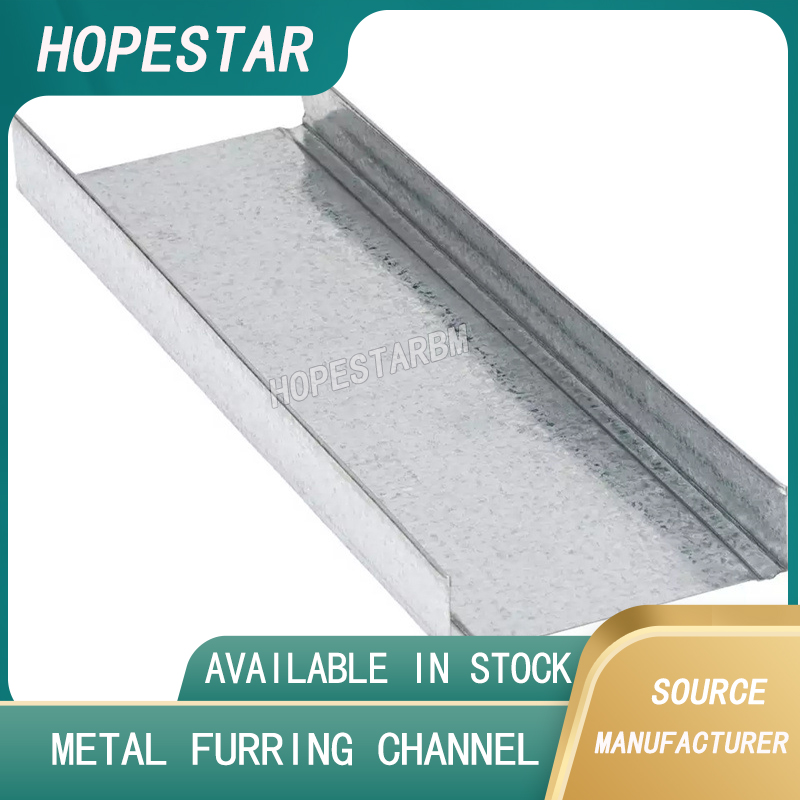
Galvanized steel profiles are the foundational metal framing components widely used in modern interior construction. Roll-formed from cold-rolled steel coated with protective zinc layer, galvanized steel profiles cover a full range of shapes including C studs, U tracks, omega channels,
Galvanized Steel Profiles – Reliable Cold Rolled Framing for Drywall Walls and Ceilings

Metal furring channel for ceiling is a vital secondary framing component widely used in suspended ceiling and drywall ceiling systems. Roll-formed from cold-rolled galvanized steel, this lightweight metal profile works together with main channels, hangers and wall angles to create a level,
Metal Furring Channel for Ceiling – Galvanized Secondary Framing for Suspended Drywall Ceilings

Metal omega channel, also widely called omega furring channel or hat channel, is an indispensable secondary metal framing profile for modern suspended ceilings and drywall wall furring systems. Named after its distinctive Ω shape, this profile is roll-formed from cold-rolled galvanized steel
Metal Omega Channel – Galvanized Omega Furring Channel for Drywall Ceiling and Wall Framing