
What is a corner protector?
2024-07-31
Corner protectors are a type of building material used to protect indoor and outdoor wall corners. They are usually installed at the junction of wall corners to beautify, protect, and reinforce them. Common corner protectors include PVC corner protectors, aluminum alloy corner protectors, and stainless steel corner protectors.
Dimensional standards for corner protectors
There are slight differences in the size of corner protectors of different types. The following is an introduction to common specifications and sizes.
1. PVC corner protector strip
Usually 20mm * 20mm or 25mm * 25mm, with a thickness of 1.0mm or 1.2mm.
2. Aluminum alloy corner guard strip
The common specifications are 20mm * 20mm, 25mm * 25mm, 30mm * 30mm, and the thickness is generally 1.0mm or 1.2mm.
3. Stainless steel corner guard strip
The common specifications are 20mm * 20mm, 25mm * 25mm, 30mm * 30mm, and the thickness is generally 1.0mm or 1.2mm.
The material of the corner protector strip
1. PVC corner protector strip
Advantages: Soft, easy to install, and easy to bend.
Disadvantages: Easy to age and not resistant to acid and alkali.
2. Aluminum alloy corner guard strip
Advantages: High hardness, good durability, and not easily deformed.
Disadvantages: Installation requires professional skills and is prone to scratches and collisions.
3. Stainless steel corner guard strip
Advantages: Good corrosion resistance, sturdy and durable, easy to clean.
Disadvantages: High cost, not easy to bend.
Key installation points for corner protectors
1. Before installation, the dust and old paint at the corners of the wall should be cleaned to ensure a smooth surface.
2. Cut the corner protector according to the actual length at the elevation and stick it with glue.
3. Stick the corner protector as tightly as possible to the wall corner and fix it with screws or nails.
4. After installation, the corner guard should be checked for flatness and firmness, and any deficiencies should be promptly addressed.
In short, choosing corner protectors of appropriate size and material has a good effect on protecting indoor and outdoor corners, while also paying attention to correct installation. I hope this article can provide some help for everyone in choosing and installing corner protectors.
Dimensional standards for corner protectors
There are slight differences in the size of corner protectors of different types. The following is an introduction to common specifications and sizes.
1. PVC corner protector strip
Usually 20mm * 20mm or 25mm * 25mm, with a thickness of 1.0mm or 1.2mm.
2. Aluminum alloy corner guard strip
The common specifications are 20mm * 20mm, 25mm * 25mm, 30mm * 30mm, and the thickness is generally 1.0mm or 1.2mm.
3. Stainless steel corner guard strip
The common specifications are 20mm * 20mm, 25mm * 25mm, 30mm * 30mm, and the thickness is generally 1.0mm or 1.2mm.
The material of the corner protector strip
1. PVC corner protector strip
Advantages: Soft, easy to install, and easy to bend.
Disadvantages: Easy to age and not resistant to acid and alkali.
2. Aluminum alloy corner guard strip
Advantages: High hardness, good durability, and not easily deformed.
Disadvantages: Installation requires professional skills and is prone to scratches and collisions.
3. Stainless steel corner guard strip
Advantages: Good corrosion resistance, sturdy and durable, easy to clean.
Disadvantages: High cost, not easy to bend.
Key installation points for corner protectors
1. Before installation, the dust and old paint at the corners of the wall should be cleaned to ensure a smooth surface.
2. Cut the corner protector according to the actual length at the elevation and stick it with glue.
3. Stick the corner protector as tightly as possible to the wall corner and fix it with screws or nails.
4. After installation, the corner guard should be checked for flatness and firmness, and any deficiencies should be promptly addressed.
In short, choosing corner protectors of appropriate size and material has a good effect on protecting indoor and outdoor corners, while also paying attention to correct installation. I hope this article can provide some help for everyone in choosing and installing corner protectors.
Installation method of stainless steel corner protector
Thickness of metal furring channel
Related Article

Ceiling wall angle, also known as perimeter angle or L-angle, is an indispensable L-shaped metal profile for suspended drywall ceiling systems. Roll-formed from cold-rolled galvanized steel, ceiling wall angle is fixed along the wall perimeter to support the ends of main channels and furring channels,
Ceiling Wall Angle – Galvanized L-Shaped Perimeter Trim for Suspended Drywall Ceilings
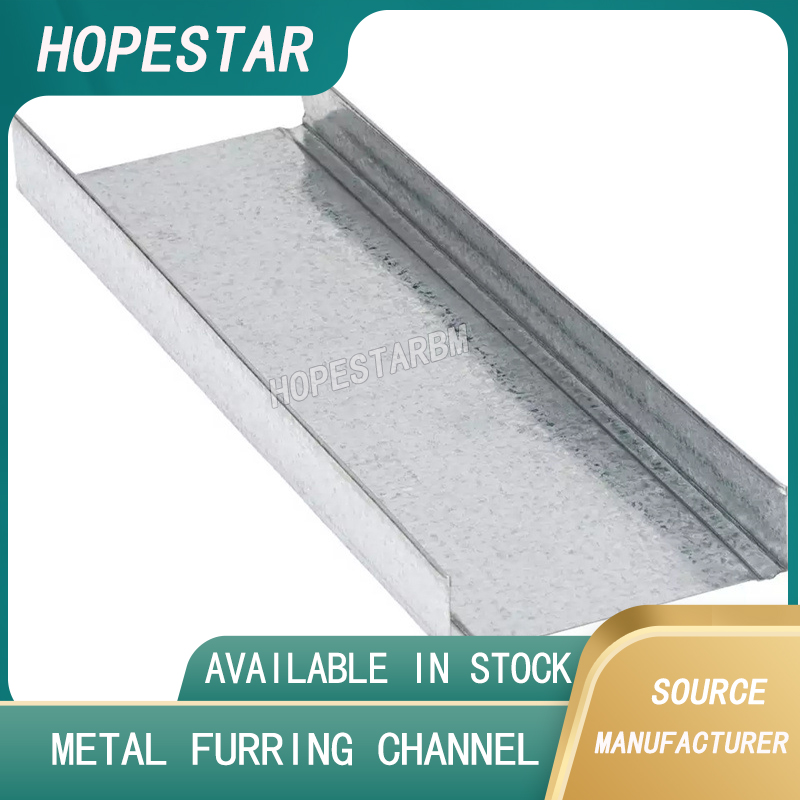
Galvanized steel profiles are the foundational metal framing components widely used in modern interior construction. Roll-formed from cold-rolled steel coated with protective zinc layer, galvanized steel profiles cover a full range of shapes including C studs, U tracks, omega channels,
Galvanized Steel Profiles – Reliable Cold Rolled Framing for Drywall Walls and Ceilings

Metal furring channel for ceiling is a vital secondary framing component widely used in suspended ceiling and drywall ceiling systems. Roll-formed from cold-rolled galvanized steel, this lightweight metal profile works together with main channels, hangers and wall angles to create a level,
Metal Furring Channel for Ceiling – Galvanized Secondary Framing for Suspended Drywall Ceilings

Metal omega channel, also widely called omega furring channel or hat channel, is an indispensable secondary metal framing profile for modern suspended ceilings and drywall wall furring systems. Named after its distinctive Ω shape, this profile is roll-formed from cold-rolled galvanized steel
Metal Omega Channel – Galvanized Omega Furring Channel for Drywall Ceiling and Wall Framing