
suspended ceiling accessories
2024-07-25
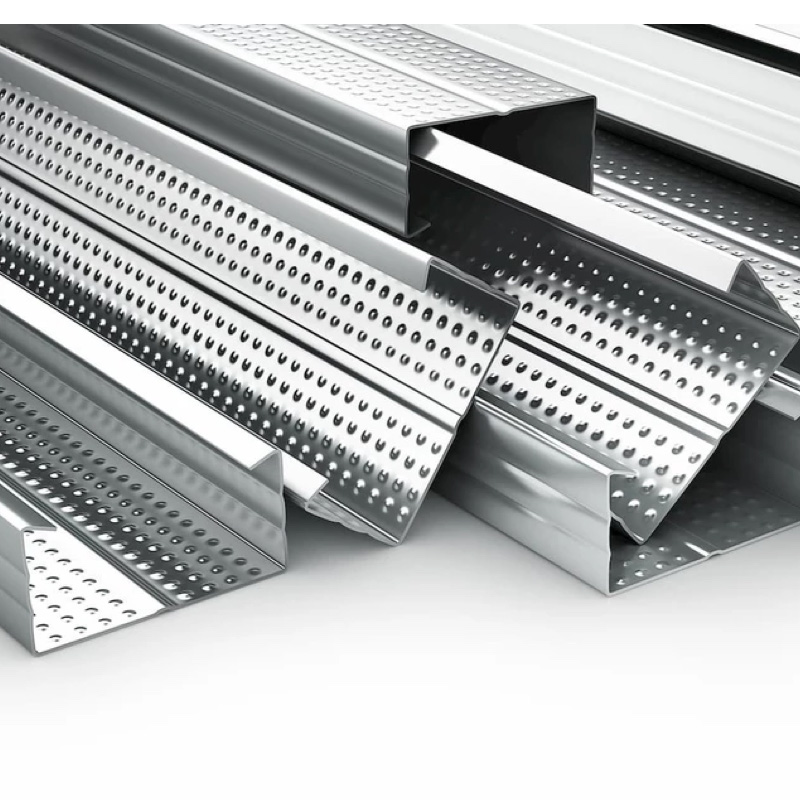
Suspended ceilings not only provide unique aesthetic value for indoor spaces, but also play important roles in acoustics, insulation, lighting, and other aspects. Today, I will introduce the types and functions of suspended ceiling accessories.
Types and functions of suspended ceiling accessories
Suspended ceiling accessories mainly include suspension rods, keels, connectors, edge keels, hooks, suspension hooks, cable trays, maintenance ports, etc. These accessories each serve different functions and together form the support system of the suspended ceiling.
1. Suspension rod: As the main component connecting the ceiling and the building structure, the suspension rod bears the weight of the entire ceiling. It is usually made of metal and has sufficient strength and stability to ensure the stability and safety of the ceiling.
2. Keel: Keel is the main skeleton of suspended ceiling, which is installed on the suspension rod at specific intervals to provide support for the ceiling surface. The shape and size of the keel are diverse to meet different decoration needs and design styles.
3. Connectors: Connectors are used to connect the keel with the suspension rod or other components to form a stable support structure. Connectors are usually made of high-strength materials to ensure a secure and reliable connection.
4. Edge keel: The edge keel is installed at the edge of the ceiling to fix the ceiling surface and enhance the stability of the overall structure. At the same time, the side keel can also serve as a decorative element, enhancing the overall aesthetic of the ceiling.
5. Hooks and hooks: These accessories are used to hang lighting fixtures, air conditioners, and other equipment to ensure their stable installation on the ceiling. The design of hooks and hooks should fully consider the weight and suspension method of the equipment to ensure safe use.
6. Cable trunking: Cable trunking is used to lay wires, cables, and other circuits on the ceiling, making the indoor space more tidy and beautiful. The design of cable trays should fully consider the direction and quantity of the lines to ensure the orderly laying of wires and cables.
7. Inspection port: The inspection port is an important component of the suspended ceiling, which facilitates maintenance personnel to enter the interior of the ceiling for inspection and maintenance.
Selection and Application of Suspended Ceiling Accessories
1. Choose appropriate suspension rods and keel specifications based on the load-bearing capacity of the indoor space to ensure the stability and safety of the ceiling.
2. Choose appropriate connectors and edge keel types based on decoration needs and design styles to enhance the overall aesthetics and stability of the ceiling.
When selecting hooks and hooks, full consideration should be given to the weight and suspension method of the equipment to ensure a stable installation on the ceiling.
Types and functions of suspended ceiling accessories
Suspended ceiling accessories mainly include suspension rods, keels, connectors, edge keels, hooks, suspension hooks, cable trays, maintenance ports, etc. These accessories each serve different functions and together form the support system of the suspended ceiling.
1. Suspension rod: As the main component connecting the ceiling and the building structure, the suspension rod bears the weight of the entire ceiling. It is usually made of metal and has sufficient strength and stability to ensure the stability and safety of the ceiling.
2. Keel: Keel is the main skeleton of suspended ceiling, which is installed on the suspension rod at specific intervals to provide support for the ceiling surface. The shape and size of the keel are diverse to meet different decoration needs and design styles.
3. Connectors: Connectors are used to connect the keel with the suspension rod or other components to form a stable support structure. Connectors are usually made of high-strength materials to ensure a secure and reliable connection.
4. Edge keel: The edge keel is installed at the edge of the ceiling to fix the ceiling surface and enhance the stability of the overall structure. At the same time, the side keel can also serve as a decorative element, enhancing the overall aesthetic of the ceiling.
5. Hooks and hooks: These accessories are used to hang lighting fixtures, air conditioners, and other equipment to ensure their stable installation on the ceiling. The design of hooks and hooks should fully consider the weight and suspension method of the equipment to ensure safe use.
6. Cable trunking: Cable trunking is used to lay wires, cables, and other circuits on the ceiling, making the indoor space more tidy and beautiful. The design of cable trays should fully consider the direction and quantity of the lines to ensure the orderly laying of wires and cables.
7. Inspection port: The inspection port is an important component of the suspended ceiling, which facilitates maintenance personnel to enter the interior of the ceiling for inspection and maintenance.
Selection and Application of Suspended Ceiling Accessories
1. Choose appropriate suspension rods and keel specifications based on the load-bearing capacity of the indoor space to ensure the stability and safety of the ceiling.
2. Choose appropriate connectors and edge keel types based on decoration needs and design styles to enhance the overall aesthetics and stability of the ceiling.
When selecting hooks and hooks, full consideration should be given to the weight and suspension method of the equipment to ensure a stable installation on the ceiling.
wall corner protector strips
Furring Channel Size
Related Article

Ceiling wall angle, also known as perimeter angle or L-angle, is an indispensable L-shaped metal profile for suspended drywall ceiling systems. Roll-formed from cold-rolled galvanized steel, ceiling wall angle is fixed along the wall perimeter to support the ends of main channels and furring channels,
Ceiling Wall Angle – Galvanized L-Shaped Perimeter Trim for Suspended Drywall Ceilings

Galvanized steel profiles are the foundational metal framing components widely used in modern interior construction. Roll-formed from cold-rolled steel coated with protective zinc layer, galvanized steel profiles cover a full range of shapes including C studs, U tracks, omega channels,
Galvanized Steel Profiles – Reliable Cold Rolled Framing for Drywall Walls and Ceilings

Metal furring channel for ceiling is a vital secondary framing component widely used in suspended ceiling and drywall ceiling systems. Roll-formed from cold-rolled galvanized steel, this lightweight metal profile works together with main channels, hangers and wall angles to create a level,
Metal Furring Channel for Ceiling – Galvanized Secondary Framing for Suspended Drywall Ceilings

Metal omega channel, also widely called omega furring channel or hat channel, is an indispensable secondary metal framing profile for modern suspended ceilings and drywall wall furring systems. Named after its distinctive Ω shape, this profile is roll-formed from cold-rolled galvanized steel
Metal Omega Channel – Galvanized Omega Furring Channel for Drywall Ceiling and Wall Framing