
hat channel dimensions
2024-07-23
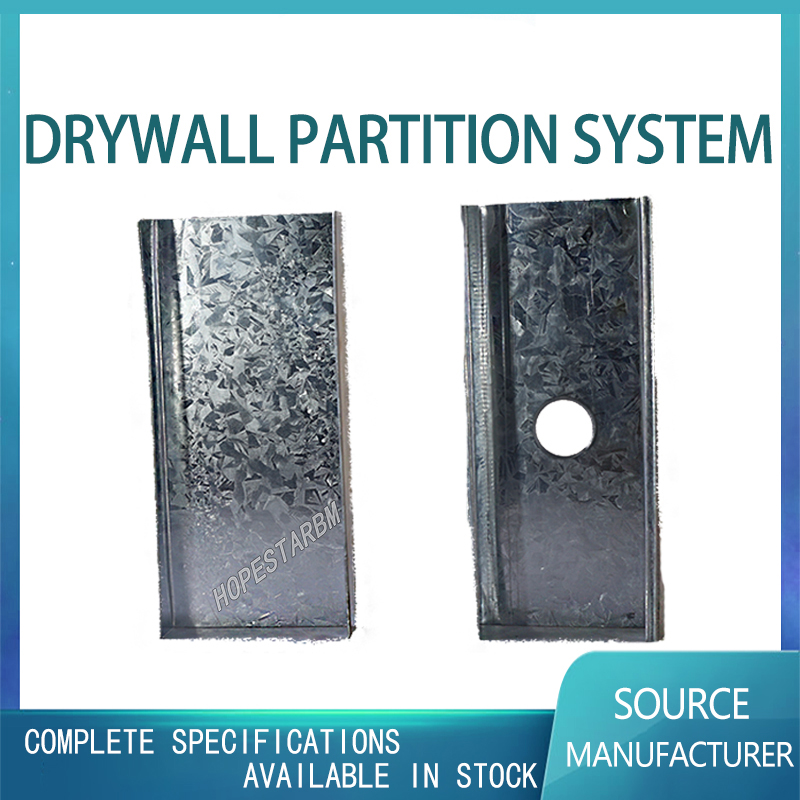
hat channel dimensions, The size specifications of the cap steel are the key factors determining its performance and application range. Different engineering projects have different requirements for the size of the hat channel, so choosing the appropriate size specification is crucial. Sizes that are either too large or too small can lead to structural instability or material waste. In addition, hat channel dimensions are closely related to their mechanical properties, cost, and processing difficulty.
How to choose the appropriate hat channel dimensions
Choosing the appropriate hat channel dimensions requires consideration of multiple factors, including structural span, load, material strength, cost, and processing difficulty. In practical engineering, we can determine the appropriate size specifications through the following steps:
1. Determine the span and load of the structure: This is the basis for selecting the size specifications of the hat channel. Based on the span and load of the structure, we can preliminarily estimate the required steel cross-sectional area and bearing capacity.
2. Choose the appropriate steel grade: The steel grade determines its strength and weldability. It is crucial to choose the appropriate steel grade based on the actual needs of the structure and engineering requirements.
3. Calculate the required steel cross-sectional area and bearing capacity: Based on the span and load of the structure, as well as the grade of the selected steel, we can calculate the required steel cross-sectional area and bearing capacity. This can be done by consulting relevant design manuals or using professional calculation software.
4. Choose the appropriate hat channel dimensions: Based on the required cross-sectional area and load-bearing capacity of the steel, we can select the appropriate hat channel dimensions from the standard size specifications. When choosing, it is necessary to comprehensively consider factors such as structural stability, cost, and processing difficulty.
5. Conduct validation and optimization design: After selecting the appropriate hat channel dimensions, we need to conduct validation and optimization design. This can be accomplished through finite element analysis or other structural analysis methods. During the verification process, if any problems or deficiencies are found in the selected size specifications, we need to make timely adjustments and optimizations.
How to choose the appropriate hat channel dimensions
Choosing the appropriate hat channel dimensions requires consideration of multiple factors, including structural span, load, material strength, cost, and processing difficulty. In practical engineering, we can determine the appropriate size specifications through the following steps:
1. Determine the span and load of the structure: This is the basis for selecting the size specifications of the hat channel. Based on the span and load of the structure, we can preliminarily estimate the required steel cross-sectional area and bearing capacity.
2. Choose the appropriate steel grade: The steel grade determines its strength and weldability. It is crucial to choose the appropriate steel grade based on the actual needs of the structure and engineering requirements.
3. Calculate the required steel cross-sectional area and bearing capacity: Based on the span and load of the structure, as well as the grade of the selected steel, we can calculate the required steel cross-sectional area and bearing capacity. This can be done by consulting relevant design manuals or using professional calculation software.
4. Choose the appropriate hat channel dimensions: Based on the required cross-sectional area and load-bearing capacity of the steel, we can select the appropriate hat channel dimensions from the standard size specifications. When choosing, it is necessary to comprehensively consider factors such as structural stability, cost, and processing difficulty.
5. Conduct validation and optimization design: After selecting the appropriate hat channel dimensions, we need to conduct validation and optimization design. This can be accomplished through finite element analysis or other structural analysis methods. During the verification process, if any problems or deficiencies are found in the selected size specifications, we need to make timely adjustments and optimizations.
C channel furring
double metal furring
Related Article

Ceiling wall angle, also known as perimeter angle or L-angle, is an indispensable L-shaped metal profile for suspended drywall ceiling systems. Roll-formed from cold-rolled galvanized steel, ceiling wall angle is fixed along the wall perimeter to support the ends of main channels and furring channels,
Ceiling Wall Angle – Galvanized L-Shaped Perimeter Trim for Suspended Drywall Ceilings
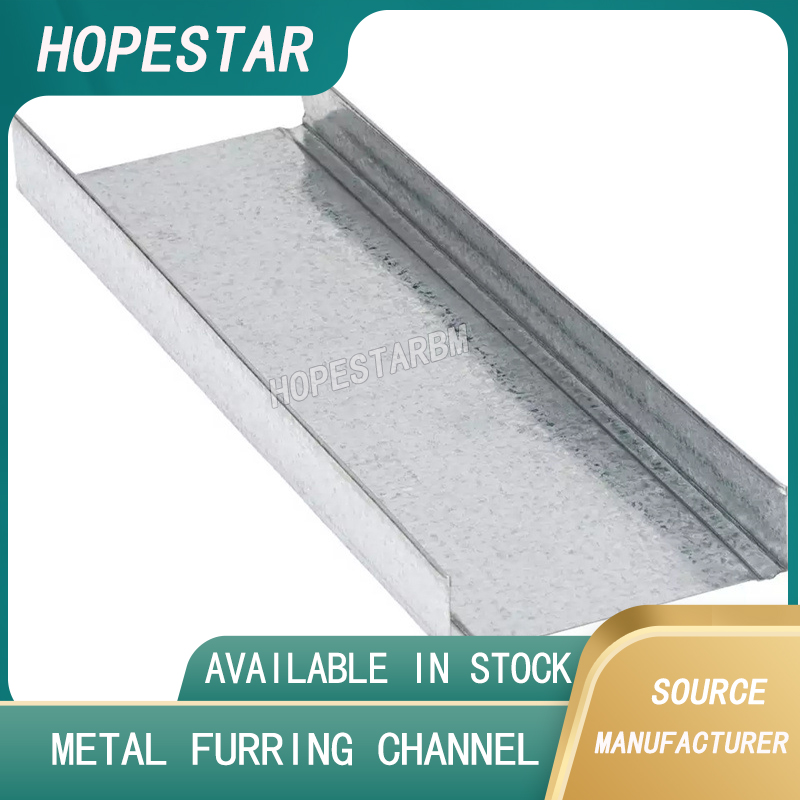
Galvanized steel profiles are the foundational metal framing components widely used in modern interior construction. Roll-formed from cold-rolled steel coated with protective zinc layer, galvanized steel profiles cover a full range of shapes including C studs, U tracks, omega channels,
Galvanized Steel Profiles – Reliable Cold Rolled Framing for Drywall Walls and Ceilings

Metal furring channel for ceiling is a vital secondary framing component widely used in suspended ceiling and drywall ceiling systems. Roll-formed from cold-rolled galvanized steel, this lightweight metal profile works together with main channels, hangers and wall angles to create a level,
Metal Furring Channel for Ceiling – Galvanized Secondary Framing for Suspended Drywall Ceilings

Metal omega channel, also widely called omega furring channel or hat channel, is an indispensable secondary metal framing profile for modern suspended ceilings and drywall wall furring systems. Named after its distinctive Ω shape, this profile is roll-formed from cold-rolled galvanized steel
Metal Omega Channel – Galvanized Omega Furring Channel for Drywall Ceiling and Wall Framing