
hat channel for drywall
2024-07-23
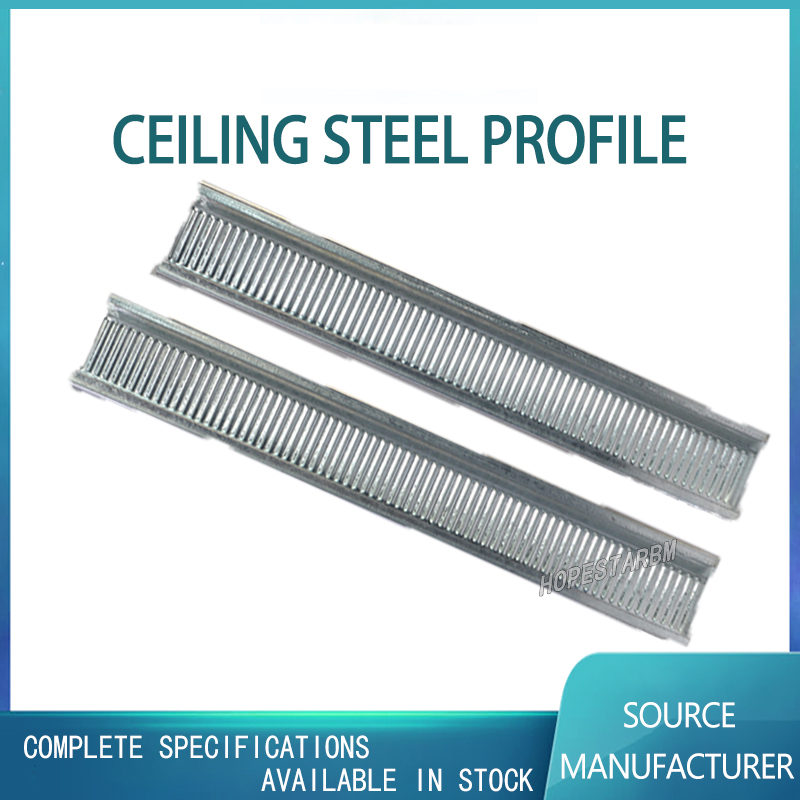
In the construction industry, the drywall system has long been a widely used wall construction technology. It not only provides efficient construction speed and good sound insulation performance, but also has excellent durability and environmental friendliness. However, when it comes to ventilation issues in drywall systems, choosing the appropriate ventilation channel (Hat Channel) becomes crucial. This article will delve into the importance, types, selection criteria, installation, and maintenance of ventilation channels in drywall systems.
1、 The importance of ventilation channels in drywall systems
The ventilation channel of the drywall system is usually referred to as a "cap rail" or "cap channel", and its main function is to provide necessary air circulation inside the wall. This ventilation design helps to reduce the accumulation of moisture inside the wall, prevent the growth of mold and mold spores, and thus maintain a dry and clean indoor environment. In addition, good ventilation can help regulate indoor temperature and improve living comfort.
2、 Types of ventilation channels
1. Metal ventilation channels: Metal ventilation channels are usually made of galvanized steel or aluminum alloy, and have the characteristics of high strength, corrosion resistance, and easy installation. They are commonly used in drywall systems in commercial and industrial buildings to meet stricter environmental requirements.
2. Plastic ventilation channels: Plastic ventilation channels are favored for their advantages of being lightweight, easy to bend, and affordable. They are suitable for drywall systems in residential and light industrial buildings, and can meet general ventilation needs.
3. Paper ventilation channel: Paper ventilation channel is an environmentally friendly product made of recyclable materials. Although its strength is relatively low, it is inexpensive and easy to install. In some projects with high environmental requirements, paper ventilation channels have become an ideal choice.
3、 Basis for selecting ventilation channels
1. Project requirements: When selecting ventilation channels, the specific needs of the project should be considered first. Including factors such as the type, purpose, size, and budget of the building. Different projects have different requirements for the performance and specifications of ventilation channels.
2. Environmental conditions: Environmental conditions are also important factors to consider when choosing ventilation channels. For example, if the project is located in a humid area or needs to cope with extreme weather conditions, ventilation channels with higher corrosion resistance and durability should be selected.
3. Maintenance and Cleaning: The maintenance and cleaning of ventilation channels are also factors that need to be considered when choosing. Some ventilation channels are designed with detachable components for easy cleaning and maintenance; And others may require professional tools and equipment for maintenance.
4、 Installation and maintenance of ventilation channels
1. Installation: The installation of ventilation channels should comply with relevant building codes and standards. During the installation process, it is necessary to ensure good sealing between the ventilation channel and the wall to prevent air leakage. At the same time, attention should be paid to the coordination and cooperation between ventilation channels and other components such as electrical equipment and pipelines.
2. Maintenance: Regular maintenance of ventilation channels is crucial for maintaining their performance. Maintenance personnel should regularly inspect ventilation channels for damage, blockage, or deformation, and promptly repair and replace them. In addition, ventilation channels should be regularly cleaned to prevent the accumulation of dust and dirt.
5、 Conclusion
In summary, selecting appropriate ventilation channels is of great significance for ensuring the performance and reliability of drywall systems. When choosing ventilation channels, factors such as project requirements, environmental conditions, maintenance, and cleanliness should be fully considered. By reasonable selection and maintenance, the drywall system can ensure good ventilation performance, providing residents with a comfortable and healthy indoor environment. Meanwhile, with the continuous development and innovation of building technology, more efficient and environmentally friendly ventilation channel products will emerge in the future, bringing more possibilities for the application and development of drywall systems.
1、 The importance of ventilation channels in drywall systems
The ventilation channel of the drywall system is usually referred to as a "cap rail" or "cap channel", and its main function is to provide necessary air circulation inside the wall. This ventilation design helps to reduce the accumulation of moisture inside the wall, prevent the growth of mold and mold spores, and thus maintain a dry and clean indoor environment. In addition, good ventilation can help regulate indoor temperature and improve living comfort.
2、 Types of ventilation channels
1. Metal ventilation channels: Metal ventilation channels are usually made of galvanized steel or aluminum alloy, and have the characteristics of high strength, corrosion resistance, and easy installation. They are commonly used in drywall systems in commercial and industrial buildings to meet stricter environmental requirements.
2. Plastic ventilation channels: Plastic ventilation channels are favored for their advantages of being lightweight, easy to bend, and affordable. They are suitable for drywall systems in residential and light industrial buildings, and can meet general ventilation needs.
3. Paper ventilation channel: Paper ventilation channel is an environmentally friendly product made of recyclable materials. Although its strength is relatively low, it is inexpensive and easy to install. In some projects with high environmental requirements, paper ventilation channels have become an ideal choice.
3、 Basis for selecting ventilation channels
1. Project requirements: When selecting ventilation channels, the specific needs of the project should be considered first. Including factors such as the type, purpose, size, and budget of the building. Different projects have different requirements for the performance and specifications of ventilation channels.
2. Environmental conditions: Environmental conditions are also important factors to consider when choosing ventilation channels. For example, if the project is located in a humid area or needs to cope with extreme weather conditions, ventilation channels with higher corrosion resistance and durability should be selected.
3. Maintenance and Cleaning: The maintenance and cleaning of ventilation channels are also factors that need to be considered when choosing. Some ventilation channels are designed with detachable components for easy cleaning and maintenance; And others may require professional tools and equipment for maintenance.
4、 Installation and maintenance of ventilation channels
1. Installation: The installation of ventilation channels should comply with relevant building codes and standards. During the installation process, it is necessary to ensure good sealing between the ventilation channel and the wall to prevent air leakage. At the same time, attention should be paid to the coordination and cooperation between ventilation channels and other components such as electrical equipment and pipelines.
2. Maintenance: Regular maintenance of ventilation channels is crucial for maintaining their performance. Maintenance personnel should regularly inspect ventilation channels for damage, blockage, or deformation, and promptly repair and replace them. In addition, ventilation channels should be regularly cleaned to prevent the accumulation of dust and dirt.
5、 Conclusion
In summary, selecting appropriate ventilation channels is of great significance for ensuring the performance and reliability of drywall systems. When choosing ventilation channels, factors such as project requirements, environmental conditions, maintenance, and cleanliness should be fully considered. By reasonable selection and maintenance, the drywall system can ensure good ventilation performance, providing residents with a comfortable and healthy indoor environment. Meanwhile, with the continuous development and innovation of building technology, more efficient and environmentally friendly ventilation channel products will emerge in the future, bringing more possibilities for the application and development of drywall systems.
drywall corner tape with metal
chamfer corner bead
Related Article

Ceiling wall angle, also known as perimeter angle or L-angle, is an indispensable L-shaped metal profile for suspended drywall ceiling systems. Roll-formed from cold-rolled galvanized steel, ceiling wall angle is fixed along the wall perimeter to support the ends of main channels and furring channels,
Ceiling Wall Angle – Galvanized L-Shaped Perimeter Trim for Suspended Drywall Ceilings
Galvanized steel profiles are the foundational metal framing components widely used in modern interior construction. Roll-formed from cold-rolled steel coated with protective zinc layer, galvanized steel profiles cover a full range of shapes including C studs, U tracks, omega channels,
Galvanized Steel Profiles – Reliable Cold Rolled Framing for Drywall Walls and Ceilings

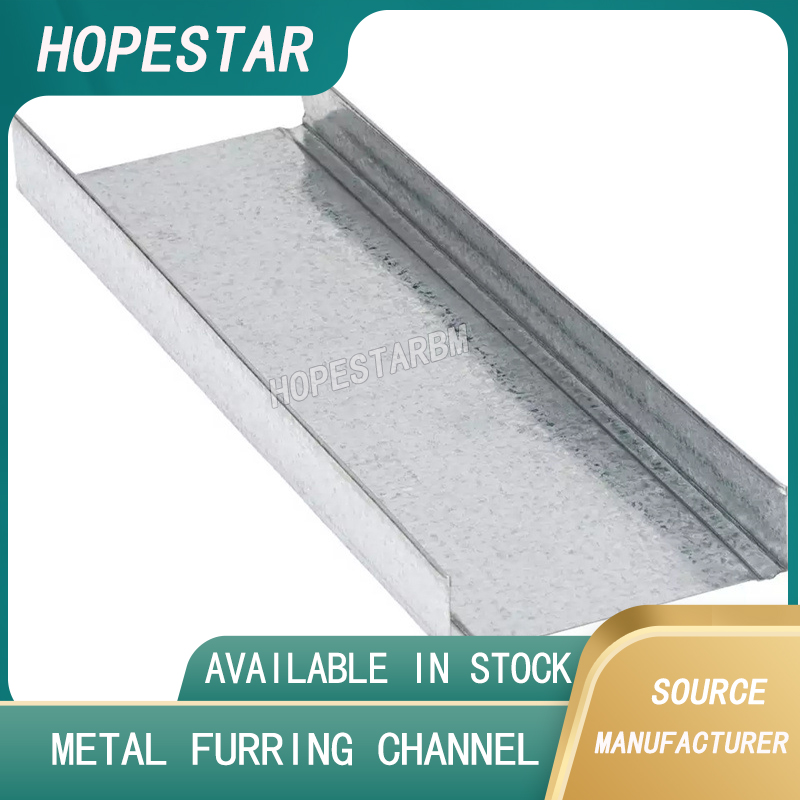
Metal furring channel for ceiling is a vital secondary framing component widely used in suspended ceiling and drywall ceiling systems. Roll-formed from cold-rolled galvanized steel, this lightweight metal profile works together with main channels, hangers and wall angles to create a level,
Metal Furring Channel for Ceiling – Galvanized Secondary Framing for Suspended Drywall Ceilings

Metal omega channel, also widely called omega furring channel or hat channel, is an indispensable secondary metal framing profile for modern suspended ceilings and drywall wall furring systems. Named after its distinctive Ω shape, this profile is roll-formed from cold-rolled galvanized steel
Metal Omega Channel – Galvanized Omega Furring Channel for Drywall Ceiling and Wall Framing