
metal furring channel sizes
2024-07-16
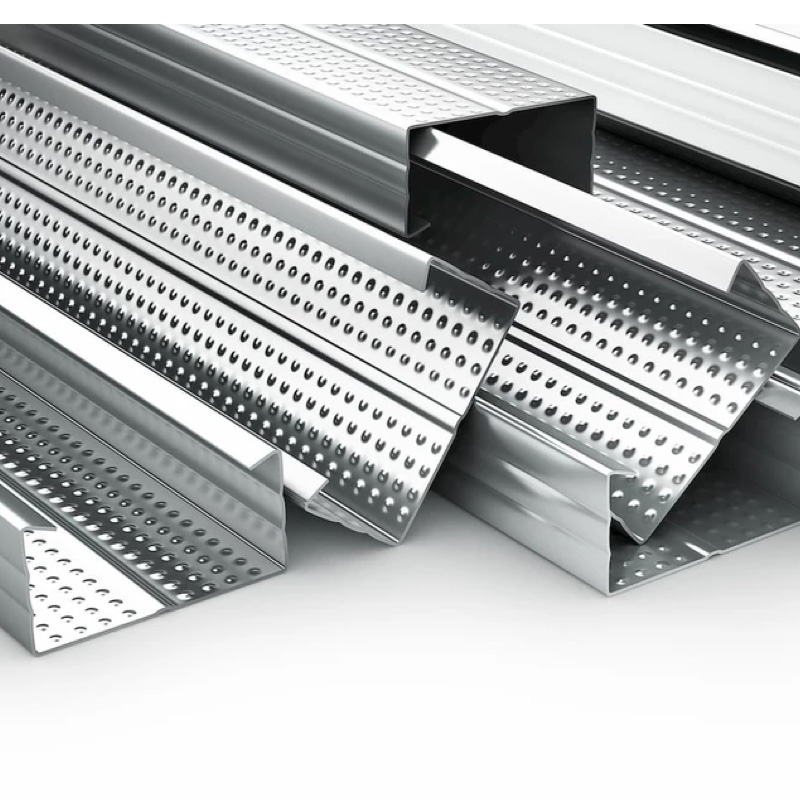
In the construction industry, especially in the design of ceiling and partition systems, metal keel channels are an indispensable component. As a framework for supporting and fixing materials, it not only carries the weight of the ceiling or partition wall, but also ensures the stability and durability of the entire system. When discussing metal keels, the selection of their sizes is a crucial step as it directly affects the performance, cost, and ease of installation of the system.
1、 Basic concept of metal keel size
The size of metal keel usually refers to its cross-sectional dimensions, length, and thickness. The cross-sectional size determines the load-bearing capacity and stability of the keel, while the length is related to the installation spacing and the overall size of the ceiling or partition, and the thickness is directly related to the durability and rigidity of the keel. When selecting the size of the keel, it must be based on specific engineering requirements and the weight of the ceiling or partition wall.
2、 Application scenarios of different metal keel sizes
1. Lightweight ceiling system
For lightweight ceiling systems, such as mineral wool board ceilings or paper faced gypsum board ceilings, metal keels with smaller cross-sectional dimensions and thinner thickness are usually used. This type of keel can meet the load-bearing requirements while maintaining the lightness and aesthetics of the system. Meanwhile, the shorter length is also more convenient for installation and adjustment.
2. Heavy duty ceiling system
For heavy-duty ceiling systems, such as stone ceilings or metal plate ceilings, it is necessary to use metal keels with larger cross-sectional dimensions and thicker thickness. This type of keel has higher load-bearing capacity and stability, ensuring the safety and durability of the ceiling system. In addition, longer lengths can also reduce the number of keels required during installation and improve construction efficiency.
3. Partition wall system
In the partition system, metal keels also play an important role. According to different partition materials and design requirements, different sizes of metal keels can be selected. For example, for lightweight partition walls such as gypsum board partition walls or light steel keel partition walls, metal keels with smaller cross-sectional dimensions and moderate thickness can be used; For heavy-duty partition walls, such as brick walls or concrete walls, it is necessary to use metal keels with larger cross-sectional dimensions and thicker thickness.
3、 Considerations for the selection of metal keel size
1. Weight of suspended ceiling or partition wall
The weight of the ceiling or partition wall is the primary consideration when choosing the size of the metal keel. Generally speaking, the larger the weight, the larger the required size of the keel. Therefore, when designing a ceiling or partition system, it is necessary to accurately calculate its weight and select the appropriate keel size based on the calculation results.
2. Span and spacing
Span and spacing are also important factors affecting the selection of metal keel size. Span refers to the distance between two support points, while spacing is the horizontal distance between the keels. Larger spans and spacing require the use of larger sized keels to ensure the stability and safety of the system.
3. Strength and stiffness of materials
The strength and stiffness of metal keels are also factors that need to be considered when selecting dimensions. The higher the strength and stiffness, the better the load-bearing capacity and stability of the keel. Therefore, when selecting the size of the keel, it is necessary to consider whether the strength and stiffness of the material meet the design requirements.
4. Convenience of installation and maintenance
In addition to the above factors, the convenience of installation and maintenance is also one of the factors to consider when choosing the size of metal keel. A smaller keel size may be easier to install and adjust, but it may also increase the number of keels required during installation; Although larger keel sizes can reduce the number of keels, they may also increase installation difficulty and cost. Therefore, when selecting the size of the keel, it is necessary to consider the convenience of installation and maintenance comprehensively.
4、 Suggestions for selecting the size of metal keel
When selecting the size of metal keel, it is recommended to follow the following principles:
1. Choose the appropriate keel size based on the weight, span, and spacing requirements of the ceiling or partition wall;
2. Consider whether the strength and stiffness of the material meet the design requirements;
3. Considering the convenience of installation and maintenance comprehensively;
4. On the premise of meeting the above requirements, try to choose smaller keel sizes to reduce costs and installation difficulties;
When choosing the size of the keel, it is best to consult a professional architect or engineer for advice.
In short, the selection of metal keel size is an important aspect of ceiling and partition system design. By selecting the appropriate size of the keel, the stability, safety, and aesthetics of the system can be ensured, while reducing costs and installation difficulties.
1、 Basic concept of metal keel size
The size of metal keel usually refers to its cross-sectional dimensions, length, and thickness. The cross-sectional size determines the load-bearing capacity and stability of the keel, while the length is related to the installation spacing and the overall size of the ceiling or partition, and the thickness is directly related to the durability and rigidity of the keel. When selecting the size of the keel, it must be based on specific engineering requirements and the weight of the ceiling or partition wall.
2、 Application scenarios of different metal keel sizes
1. Lightweight ceiling system
For lightweight ceiling systems, such as mineral wool board ceilings or paper faced gypsum board ceilings, metal keels with smaller cross-sectional dimensions and thinner thickness are usually used. This type of keel can meet the load-bearing requirements while maintaining the lightness and aesthetics of the system. Meanwhile, the shorter length is also more convenient for installation and adjustment.
2. Heavy duty ceiling system
For heavy-duty ceiling systems, such as stone ceilings or metal plate ceilings, it is necessary to use metal keels with larger cross-sectional dimensions and thicker thickness. This type of keel has higher load-bearing capacity and stability, ensuring the safety and durability of the ceiling system. In addition, longer lengths can also reduce the number of keels required during installation and improve construction efficiency.
3. Partition wall system
In the partition system, metal keels also play an important role. According to different partition materials and design requirements, different sizes of metal keels can be selected. For example, for lightweight partition walls such as gypsum board partition walls or light steel keel partition walls, metal keels with smaller cross-sectional dimensions and moderate thickness can be used; For heavy-duty partition walls, such as brick walls or concrete walls, it is necessary to use metal keels with larger cross-sectional dimensions and thicker thickness.
3、 Considerations for the selection of metal keel size
1. Weight of suspended ceiling or partition wall
The weight of the ceiling or partition wall is the primary consideration when choosing the size of the metal keel. Generally speaking, the larger the weight, the larger the required size of the keel. Therefore, when designing a ceiling or partition system, it is necessary to accurately calculate its weight and select the appropriate keel size based on the calculation results.
2. Span and spacing
Span and spacing are also important factors affecting the selection of metal keel size. Span refers to the distance between two support points, while spacing is the horizontal distance between the keels. Larger spans and spacing require the use of larger sized keels to ensure the stability and safety of the system.
3. Strength and stiffness of materials
The strength and stiffness of metal keels are also factors that need to be considered when selecting dimensions. The higher the strength and stiffness, the better the load-bearing capacity and stability of the keel. Therefore, when selecting the size of the keel, it is necessary to consider whether the strength and stiffness of the material meet the design requirements.
4. Convenience of installation and maintenance
In addition to the above factors, the convenience of installation and maintenance is also one of the factors to consider when choosing the size of metal keel. A smaller keel size may be easier to install and adjust, but it may also increase the number of keels required during installation; Although larger keel sizes can reduce the number of keels, they may also increase installation difficulty and cost. Therefore, when selecting the size of the keel, it is necessary to consider the convenience of installation and maintenance comprehensively.
4、 Suggestions for selecting the size of metal keel
When selecting the size of metal keel, it is recommended to follow the following principles:
1. Choose the appropriate keel size based on the weight, span, and spacing requirements of the ceiling or partition wall;
2. Consider whether the strength and stiffness of the material meet the design requirements;
3. Considering the convenience of installation and maintenance comprehensively;
4. On the premise of meeting the above requirements, try to choose smaller keel sizes to reduce costs and installation difficulties;
When choosing the size of the keel, it is best to consult a professional architect or engineer for advice.
In short, the selection of metal keel size is an important aspect of ceiling and partition system design. By selecting the appropriate size of the keel, the stability, safety, and aesthetics of the system can be ensured, while reducing costs and installation difficulties.
z furring channel installation
Steel Stud Keel Ceiling Steel Stud Price
Related Article

Ceiling wall angle, also known as perimeter angle or L-angle, is an indispensable L-shaped metal profile for suspended drywall ceiling systems. Roll-formed from cold-rolled galvanized steel, ceiling wall angle is fixed along the wall perimeter to support the ends of main channels and furring channels,
Ceiling Wall Angle – Galvanized L-Shaped Perimeter Trim for Suspended Drywall Ceilings
Galvanized steel profiles are the foundational metal framing components widely used in modern interior construction. Roll-formed from cold-rolled steel coated with protective zinc layer, galvanized steel profiles cover a full range of shapes including C studs, U tracks, omega channels,
Galvanized Steel Profiles – Reliable Cold Rolled Framing for Drywall Walls and Ceilings

Metal furring channel for ceiling is a vital secondary framing component widely used in suspended ceiling and drywall ceiling systems. Roll-formed from cold-rolled galvanized steel, this lightweight metal profile works together with main channels, hangers and wall angles to create a level,
Metal Furring Channel for Ceiling – Galvanized Secondary Framing for Suspended Drywall Ceilings

Metal omega channel, also widely called omega furring channel or hat channel, is an indispensable secondary metal framing profile for modern suspended ceilings and drywall wall furring systems. Named after its distinctive Ω shape, this profile is roll-formed from cold-rolled galvanized steel
Metal Omega Channel – Galvanized Omega Furring Channel for Drywall Ceiling and Wall Framing