
furring channel for gypsum ceiling
2024-07-10
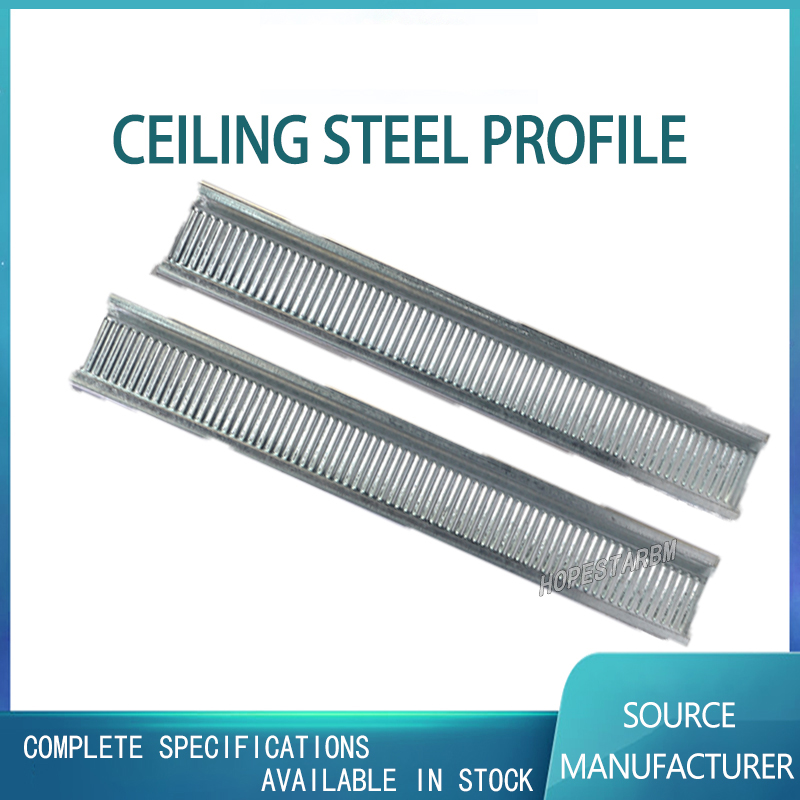
In the construction industry, gypsum ceiling is a widely used decorative material, which not only has an elegant appearance, but also has good sound insulation and thermal insulation performance. However, when installing gypsum ceilings, a often overlooked but crucial step is to use ceiling keels (commonly referred to as "furring channels") to provide structural support and stability. This article will delve into the role, types, installation steps, and precautions of the ceiling keel in gypsum ceilings, in order to help readers better understand and apply this key technology.
1、 The function of ceiling keel
The suspended ceiling keel is the skeleton structure in the installation of gypsum suspended ceilings, and its main functions include:
1. Support: The ceiling keel provides stable support for the gypsum board, furring channel for gypsum ceiling,ensuring the flatness and load-bearing capacity of the ceiling.
2. Spacing: The keel separates the gypsum board into appropriate intervals, which helps with air circulation and heat dissipation, while reducing the weight of the ceiling.
3. Concealed: The ceiling keel can conceal facilities such as wires and pipes, making the indoor space cleaner and more beautiful.
2、 The type of ceiling keel
According to the different materials and shapes, ceiling keel can be divided into various types, including:
1. Light steel keel: Light steel keel is widely used due to its lightweight, high strength, corrosion resistance and other characteristics. It is usually made of galvanized steel plate or cold-formed steel, furring channel for gypsum ceiling,with excellent load-bearing capacity and durability.
2. Aluminum alloy keel: Aluminum alloy keel has advantages such as lightweight, corrosion resistance, and easy processing, making it suitable for humid environments and high-end decoration projects. However, its cost is relatively high.
3. Wooden keel: Wooden keel is favored by some consumers for its natural and environmentally friendly characteristics. However, it should be noted that wooden keel is prone to deformation due to moisture, so it is not suitable for damp environments.
3、 Installation steps for ceiling keel
The installation process of the ceiling keel needs to follow certain steps and standards to ensure the stability and aesthetics of the ceiling. The specific steps are as follows:
1. Preparation work: Measure the size of the room, determine the layout and spacing of the ceiling keel. Prepare the necessary materials and tools, such as ceiling keel, gypsum board, screws, electric drill, etc.
2. Install the main keel: Based on the measurement results, mark the position of the main keel on the ceiling. Use an electric drill to drill holes in the ceiling and install the main keel suspension rod. Fix the main keel on the suspension rod to ensure levelness and stability.
3. Install secondary keels: Install secondary keels between the main keels, where the secondary keels intersect vertically with the main keels. Use screws to fix the secondary keel to the main keel, furring channel for gypsum ceiling,ensuring consistent and stable spacing.
4. Install gypsum board: Cut the gypsum board to the appropriate size according to the room size and the layout of the ceiling keel. Place the gypsum board on the ceiling keel and fix it to the keel with screws. Pay attention to maintaining even and consistent gaps between gypsum boards.
5. Concealed work: After the installation of the ceiling keel is completed, the concealed work can begin. If installing electrical wires, pipelines, and other facilities, ensure that all facilities are hidden inside the ceiling.
6. Decoration work: Decorate the ceiling, such as filling gaps, painting, etc. Ensure that the surface of the ceiling is flat, aesthetically pleasing, and meets the design requirements.
4、 Precautions
When installing the ceiling keel, furring channel for gypsum ceiling,the following precautions should be taken:
1. Ensure that the quality and specifications of the ceiling keel meet the design requirements, and avoid using inferior materials or products that do not meet the specifications.
During the installation process, furring channel for gypsum ceiling,it is necessary to strictly follow the installation steps and specifications to ensure the stability and aesthetics of the ceiling.
3. The spacing between the ceiling keel should be consistent to avoid large or small gaps that may affect aesthetics and stability.
4. Pay attention to safety during installation to avoid accidents. Wear protective equipment such as helmets and gloves to ensure safety during the construction process.
5、 Summary
As an important component of gypsum ceiling installation, the quality and installation quality of ceiling keel directly affect the stability and aesthetics of the ceiling. Therefore, when selecting the ceiling keel, factors such as material, specifications, and quality need to be considered; During the installation process, certain steps and specifications need to be followed; At the same time, attention should also be paid to safety and hidden engineering issues. By selecting and installing the ceiling keel reasonably, the stability and aesthetics of the gypsum ceiling can be ensured, while improving the value and comfort of indoor space.
1、 The function of ceiling keel
The suspended ceiling keel is the skeleton structure in the installation of gypsum suspended ceilings, and its main functions include:
1. Support: The ceiling keel provides stable support for the gypsum board, furring channel for gypsum ceiling,ensuring the flatness and load-bearing capacity of the ceiling.
2. Spacing: The keel separates the gypsum board into appropriate intervals, which helps with air circulation and heat dissipation, while reducing the weight of the ceiling.
3. Concealed: The ceiling keel can conceal facilities such as wires and pipes, making the indoor space cleaner and more beautiful.
2、 The type of ceiling keel
According to the different materials and shapes, ceiling keel can be divided into various types, including:
1. Light steel keel: Light steel keel is widely used due to its lightweight, high strength, corrosion resistance and other characteristics. It is usually made of galvanized steel plate or cold-formed steel, furring channel for gypsum ceiling,with excellent load-bearing capacity and durability.
2. Aluminum alloy keel: Aluminum alloy keel has advantages such as lightweight, corrosion resistance, and easy processing, making it suitable for humid environments and high-end decoration projects. However, its cost is relatively high.
3. Wooden keel: Wooden keel is favored by some consumers for its natural and environmentally friendly characteristics. However, it should be noted that wooden keel is prone to deformation due to moisture, so it is not suitable for damp environments.
3、 Installation steps for ceiling keel
The installation process of the ceiling keel needs to follow certain steps and standards to ensure the stability and aesthetics of the ceiling. The specific steps are as follows:
1. Preparation work: Measure the size of the room, determine the layout and spacing of the ceiling keel. Prepare the necessary materials and tools, such as ceiling keel, gypsum board, screws, electric drill, etc.
2. Install the main keel: Based on the measurement results, mark the position of the main keel on the ceiling. Use an electric drill to drill holes in the ceiling and install the main keel suspension rod. Fix the main keel on the suspension rod to ensure levelness and stability.
3. Install secondary keels: Install secondary keels between the main keels, where the secondary keels intersect vertically with the main keels. Use screws to fix the secondary keel to the main keel, furring channel for gypsum ceiling,ensuring consistent and stable spacing.
4. Install gypsum board: Cut the gypsum board to the appropriate size according to the room size and the layout of the ceiling keel. Place the gypsum board on the ceiling keel and fix it to the keel with screws. Pay attention to maintaining even and consistent gaps between gypsum boards.
5. Concealed work: After the installation of the ceiling keel is completed, the concealed work can begin. If installing electrical wires, pipelines, and other facilities, ensure that all facilities are hidden inside the ceiling.
6. Decoration work: Decorate the ceiling, such as filling gaps, painting, etc. Ensure that the surface of the ceiling is flat, aesthetically pleasing, and meets the design requirements.
4、 Precautions
When installing the ceiling keel, furring channel for gypsum ceiling,the following precautions should be taken:
1. Ensure that the quality and specifications of the ceiling keel meet the design requirements, and avoid using inferior materials or products that do not meet the specifications.
During the installation process, furring channel for gypsum ceiling,it is necessary to strictly follow the installation steps and specifications to ensure the stability and aesthetics of the ceiling.
3. The spacing between the ceiling keel should be consistent to avoid large or small gaps that may affect aesthetics and stability.
4. Pay attention to safety during installation to avoid accidents. Wear protective equipment such as helmets and gloves to ensure safety during the construction process.
5、 Summary
As an important component of gypsum ceiling installation, the quality and installation quality of ceiling keel directly affect the stability and aesthetics of the ceiling. Therefore, when selecting the ceiling keel, factors such as material, specifications, and quality need to be considered; During the installation process, certain steps and specifications need to be followed; At the same time, attention should also be paid to safety and hidden engineering issues. By selecting and installing the ceiling keel reasonably, the stability and aesthetics of the gypsum ceiling can be ensured, while improving the value and comfort of indoor space.
how to install metal furring channel ceiling
drywall furring channel home depot
Related Article

Ceiling wall angle, also known as perimeter angle or L-angle, is an indispensable L-shaped metal profile for suspended drywall ceiling systems. Roll-formed from cold-rolled galvanized steel, ceiling wall angle is fixed along the wall perimeter to support the ends of main channels and furring channels,
Ceiling Wall Angle – Galvanized L-Shaped Perimeter Trim for Suspended Drywall Ceilings
Galvanized steel profiles are the foundational metal framing components widely used in modern interior construction. Roll-formed from cold-rolled steel coated with protective zinc layer, galvanized steel profiles cover a full range of shapes including C studs, U tracks, omega channels,
Galvanized Steel Profiles – Reliable Cold Rolled Framing for Drywall Walls and Ceilings

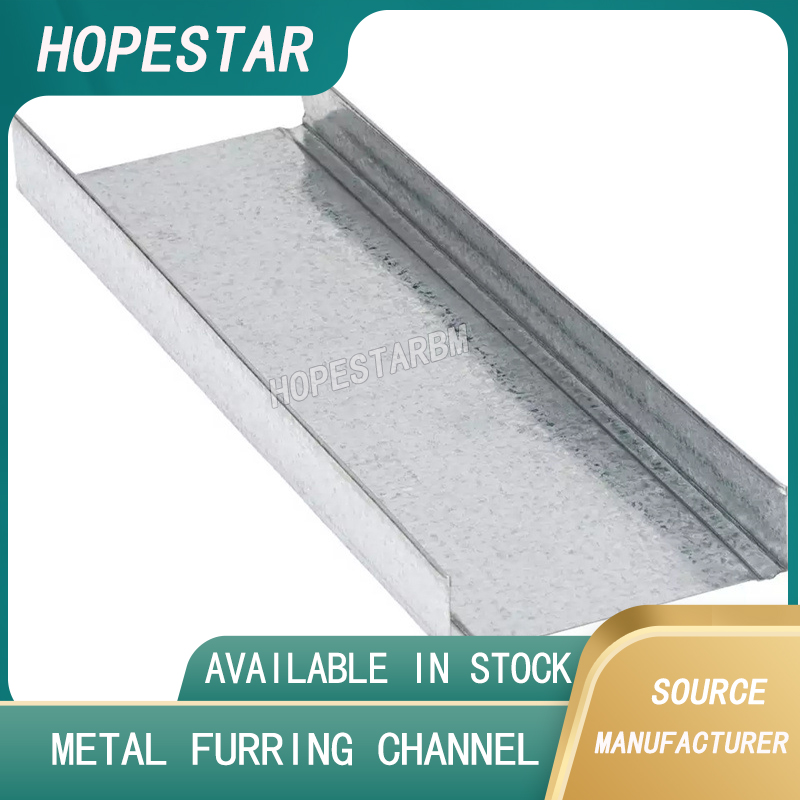
Metal furring channel for ceiling is a vital secondary framing component widely used in suspended ceiling and drywall ceiling systems. Roll-formed from cold-rolled galvanized steel, this lightweight metal profile works together with main channels, hangers and wall angles to create a level,
Metal Furring Channel for Ceiling – Galvanized Secondary Framing for Suspended Drywall Ceilings

Metal omega channel, also widely called omega furring channel or hat channel, is an indispensable secondary metal framing profile for modern suspended ceilings and drywall wall furring systems. Named after its distinctive Ω shape, this profile is roll-formed from cold-rolled galvanized steel
Metal Omega Channel – Galvanized Omega Furring Channel for Drywall Ceiling and Wall Framing