
wall furring channel
2024-07-10

wall furring channel
In the construction industry, wall filling channels are an indispensable component and play a crucial role in wall construction. Wall keel, as a supporting structure, provides a stable installation foundation for various decorative materials on the wall, thereby ensuring the flatness and firmness of the wall. This article will delve into various aspects of the wall filling channel, including its definition, classification, application, installation steps, and future development trends.
1、 Definition of wall filling channel
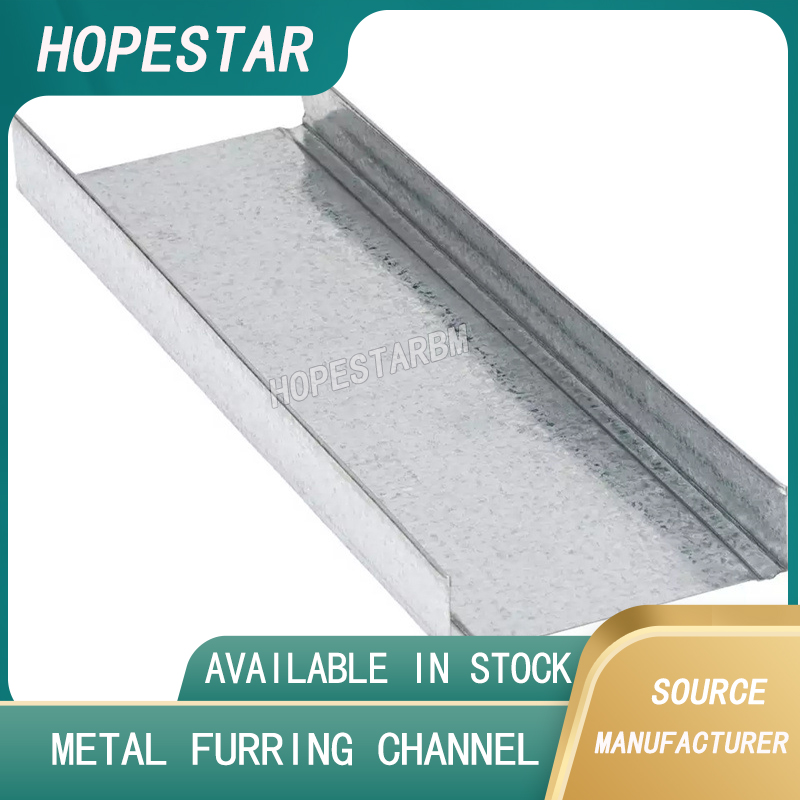
wall furring channel, Also known as wall keel or wall support strip, it is a strip component made of metal or plastic installed on the surface or inside of a wall. Its main function is to serve as a supporting framework for wall decoration materials, such as gypsum board, ceramic tiles, wallpaper, etc. The wall keel is fixed to the wall, providing a flat and solid installation foundation for these decorative materials, thereby ensuring the overall aesthetics and stability of the wall.
2、 Classification of wall filling channels
Wall filling channels can be classified into various types based on their material, shape, and purpose. Here are some common classification methods:
1. Classified by material: metal wall keel and plastic wall keel. Metal wall keels are usually made of cold-rolled steel plates, galvanized steel plates, and other materials, which have high strength and durability; The plastic wall keel is made of polymer materials, which have the characteristics of lightweight and corrosion resistance.
2. Classified by shape: U-shaped wall keel, C-shaped wall keel, and Z-shaped wall keel. These keel shapes vary and are suitable for different wall structures and decorative materials.
3. Classified by purpose: Internal wall keel and external wall keel. The internal wall keel is mainly used for decoration and reinforcement of indoor walls; The exterior wall keel is used for insulation, insulation, and decoration of outdoor walls.
3、 The Application of Wall Furring Channel
The wall filling channel is widely used in various construction fields, including residential, commercial, industrial, etc. Its main application scenarios include:
1. Indoor partitions: In residential and commercial spaces, wall keels are often used for the construction of indoor partitions. By installing wall keels, it is easy to install decorative materials such as gypsum boards and wallpaper, achieving flexible space division.
2. Suspended ceiling engineering: In suspended ceiling engineering, the wall keel serves as the supporting structure of the ceiling, which can ensure the flatness and stability of the ceiling. At the same time, the wall keel can also form a close connection with the ceiling panel, improving the overall performance of the ceiling.
3. External wall insulation system: In the external wall insulation system, the wall keel serves as the support skeleton of the insulation material, which can ensure the stable installation and fixation of the insulation material. In addition, the wall keel can effectively combine with the exterior wall decorative materials, improving the insulation performance and aesthetics of the exterior wall.
4、 Installation steps for wall filling channel
The installation of wall keel needs to follow certain steps and specifications to ensure its stability and safety. The following are the general steps for installing wall keels:
1. Measurement and positioning: Determine the installation position and spacing of wall keels based on the size and design requirements of the wall. Use measuring tools for precise measurements and mark the wall with a marker pen.
2. Fixed keel: According to the marked position, use special tools to fix the wall keel on the wall. Ensure that the fixation between the keel and the wall is firm and reliable, without any looseness.
3. Installation of decorative materials: After the keel installation is completed, the installation of decorative materials can begin. Choose appropriate installation methods and tools based on the type and specifications of decorative materials for installation. Ensure that the connection between the decorative material and the keel is tight and firm, without gaps or bubbles.
4. Inspection and acceptance: After installation is completed, a comprehensive inspection and acceptance of the wall surface shall be carried out. Check whether the flatness and verticality of the wall, as well as the installation quality of the decorative materials, meet the requirements. If any problems are found, they should be dealt with and rectified in a timely manner.
5、 The Future Development Trends of Wall Furring Channel
With the continuous development of the construction industry and technological progress, the wall filling channel is also constantly innovating and improving. The development trend of future wall keel mainly includes the following aspects:
1. Green environmental protection: With the increasing awareness of environmental protection and the promotion of green buildings, the future wall keel will pay more attention to environmental protection and energy conservation. The use of renewable materials and environmentally friendly coatings as green building materials will become a trend.
2. Intelligence: The application of intelligent technology will bring more possibilities to wall keels. For example, automatic adjustment and intelligent control of walls can be achieved through intelligent sensors and control systems.
3. Customization: With the diversification of consumer needs and the strengthening of personalized trends, future wall keels will pay more attention to customization and personalized design. By providing a variety of materials, shapes, and colors to meet the diverse needs of consumers.
4. Lightweight: Lightweight design will be another important direction for the development of future wall keels. Using lightweight materials and optimizing structural design methods to reduce the weight and volume of wall keels, improve construction efficiency, and reduce costs.
In short, as an indispensable part of the construction industry, wall filling channels will continue to play an important role in wall construction. With the continuous progress and innovation of technology, the future wall keel will present a more diversified, intelligent, and environmentally friendly development trend.
In the construction industry, wall filling channels are an indispensable component and play a crucial role in wall construction. Wall keel, as a supporting structure, provides a stable installation foundation for various decorative materials on the wall, thereby ensuring the flatness and firmness of the wall. This article will delve into various aspects of the wall filling channel, including its definition, classification, application, installation steps, and future development trends.
1、 Definition of wall filling channel
wall furring channel, Also known as wall keel or wall support strip, it is a strip component made of metal or plastic installed on the surface or inside of a wall. Its main function is to serve as a supporting framework for wall decoration materials, such as gypsum board, ceramic tiles, wallpaper, etc. The wall keel is fixed to the wall, providing a flat and solid installation foundation for these decorative materials, thereby ensuring the overall aesthetics and stability of the wall.
2、 Classification of wall filling channels
Wall filling channels can be classified into various types based on their material, shape, and purpose. Here are some common classification methods:
1. Classified by material: metal wall keel and plastic wall keel. Metal wall keels are usually made of cold-rolled steel plates, galvanized steel plates, and other materials, which have high strength and durability; The plastic wall keel is made of polymer materials, which have the characteristics of lightweight and corrosion resistance.
2. Classified by shape: U-shaped wall keel, C-shaped wall keel, and Z-shaped wall keel. These keel shapes vary and are suitable for different wall structures and decorative materials.
3. Classified by purpose: Internal wall keel and external wall keel. The internal wall keel is mainly used for decoration and reinforcement of indoor walls; The exterior wall keel is used for insulation, insulation, and decoration of outdoor walls.
3、 The Application of Wall Furring Channel
The wall filling channel is widely used in various construction fields, including residential, commercial, industrial, etc. Its main application scenarios include:
1. Indoor partitions: In residential and commercial spaces, wall keels are often used for the construction of indoor partitions. By installing wall keels, it is easy to install decorative materials such as gypsum boards and wallpaper, achieving flexible space division.
2. Suspended ceiling engineering: In suspended ceiling engineering, the wall keel serves as the supporting structure of the ceiling, which can ensure the flatness and stability of the ceiling. At the same time, the wall keel can also form a close connection with the ceiling panel, improving the overall performance of the ceiling.
3. External wall insulation system: In the external wall insulation system, the wall keel serves as the support skeleton of the insulation material, which can ensure the stable installation and fixation of the insulation material. In addition, the wall keel can effectively combine with the exterior wall decorative materials, improving the insulation performance and aesthetics of the exterior wall.
4、 Installation steps for wall filling channel
The installation of wall keel needs to follow certain steps and specifications to ensure its stability and safety. The following are the general steps for installing wall keels:
1. Measurement and positioning: Determine the installation position and spacing of wall keels based on the size and design requirements of the wall. Use measuring tools for precise measurements and mark the wall with a marker pen.
2. Fixed keel: According to the marked position, use special tools to fix the wall keel on the wall. Ensure that the fixation between the keel and the wall is firm and reliable, without any looseness.
3. Installation of decorative materials: After the keel installation is completed, the installation of decorative materials can begin. Choose appropriate installation methods and tools based on the type and specifications of decorative materials for installation. Ensure that the connection between the decorative material and the keel is tight and firm, without gaps or bubbles.
4. Inspection and acceptance: After installation is completed, a comprehensive inspection and acceptance of the wall surface shall be carried out. Check whether the flatness and verticality of the wall, as well as the installation quality of the decorative materials, meet the requirements. If any problems are found, they should be dealt with and rectified in a timely manner.
5、 The Future Development Trends of Wall Furring Channel
With the continuous development of the construction industry and technological progress, the wall filling channel is also constantly innovating and improving. The development trend of future wall keel mainly includes the following aspects:
1. Green environmental protection: With the increasing awareness of environmental protection and the promotion of green buildings, the future wall keel will pay more attention to environmental protection and energy conservation. The use of renewable materials and environmentally friendly coatings as green building materials will become a trend.
2. Intelligence: The application of intelligent technology will bring more possibilities to wall keels. For example, automatic adjustment and intelligent control of walls can be achieved through intelligent sensors and control systems.
3. Customization: With the diversification of consumer needs and the strengthening of personalized trends, future wall keels will pay more attention to customization and personalized design. By providing a variety of materials, shapes, and colors to meet the diverse needs of consumers.
4. Lightweight: Lightweight design will be another important direction for the development of future wall keels. Using lightweight materials and optimizing structural design methods to reduce the weight and volume of wall keels, improve construction efficiency, and reduce costs.
In short, as an indispensable part of the construction industry, wall filling channels will continue to play an important role in wall construction. With the continuous progress and innovation of technology, the future wall keel will present a more diversified, intelligent, and environmentally friendly development trend.
furring channel thickness
metal furring channels
Related Article

Ceiling wall angle, also known as perimeter angle or L-angle, is an indispensable L-shaped metal profile for suspended drywall ceiling systems. Roll-formed from cold-rolled galvanized steel, ceiling wall angle is fixed along the wall perimeter to support the ends of main channels and furring channels,
Ceiling Wall Angle – Galvanized L-Shaped Perimeter Trim for Suspended Drywall Ceilings
Galvanized steel profiles are the foundational metal framing components widely used in modern interior construction. Roll-formed from cold-rolled steel coated with protective zinc layer, galvanized steel profiles cover a full range of shapes including C studs, U tracks, omega channels,
Galvanized Steel Profiles – Reliable Cold Rolled Framing for Drywall Walls and Ceilings

Metal furring channel for ceiling is a vital secondary framing component widely used in suspended ceiling and drywall ceiling systems. Roll-formed from cold-rolled galvanized steel, this lightweight metal profile works together with main channels, hangers and wall angles to create a level,
Metal Furring Channel for Ceiling – Galvanized Secondary Framing for Suspended Drywall Ceilings

Metal omega channel, also widely called omega furring channel or hat channel, is an indispensable secondary metal framing profile for modern suspended ceilings and drywall wall furring systems. Named after its distinctive Ω shape, this profile is roll-formed from cold-rolled galvanized steel
Metal Omega Channel – Galvanized Omega Furring Channel for Drywall Ceiling and Wall Framing