
What is the weight of the C-shaped keel?c strut channel
2024-06-27
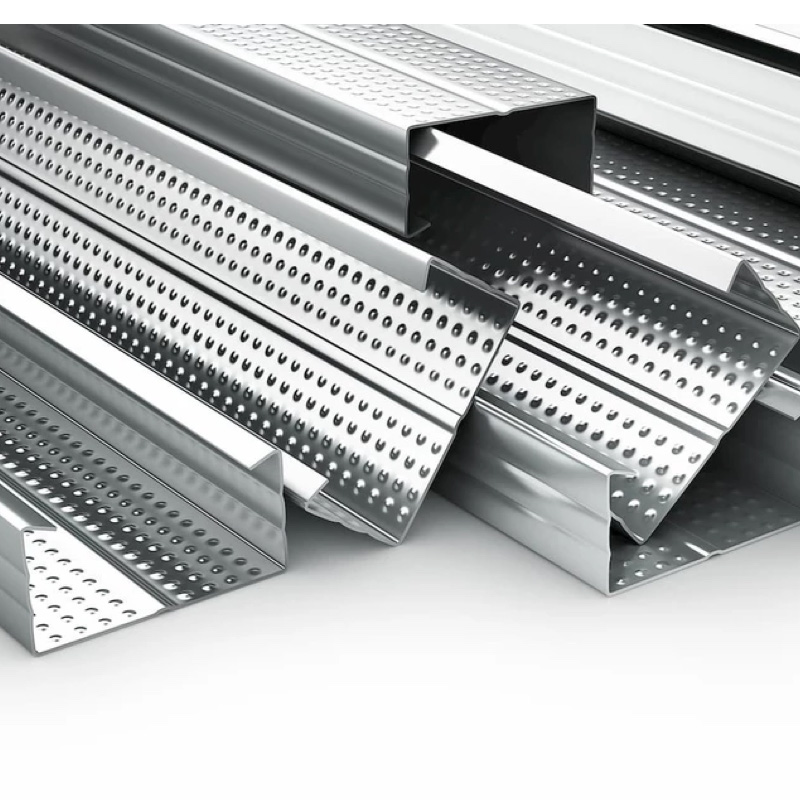
When we talk about the weight of C-shaped keels, the first thing to clarify is that C-shaped keels are not a single product with a fixed weight, but refer to a type of keel product with specific shape and size characteristics. These keels are widely used in construction, decoration, and other structural support fields, named after their cross-sectional shape resembling the English letter "C".
The weight of C-shaped keel depends on multiple factors such as its material, size, thickness, and surface treatment method. For example, C-shaped keels of the same length, made of galvanized steel, are often heavier than those made of aluminum. Similarly, larger and thicker keels will also be heavier. In addition, the coating or treatment process on the surface of the keel, such as galvanizing, spraying, etc., although has a small impact on the overall weight, it will also increase its weight to a certain extent.
In the field of construction and decoration, the main function of C-shaped keel is to provide support and fixation. They are often used in suspended ceilings, partition walls, sound insulation and other engineering projects, combined with gypsum boards, mineral wool boards and other boards to form a strong and stable structural system. Therefore, when choosing a C-shaped keel, in addition to considering its weight, it is also necessary to choose the appropriate material, size, and thickness based on specific usage scenarios and requirements.
To gain a more specific understanding of the weight of C-shaped keels, we can refer to some common specifications and material data. Taking galvanized steel C-shaped keel as an example, common sizes include 50mm, 60mm, 75mm, etc., with thicknesses ranging from 0.5mm to 1.5mm. The weight may vary depending on the size and thickness. Generally speaking, C-shaped keels of the same length have a larger size and thicker thickness, and their weight also increases.
However, it should be noted that these weight data are for reference only, and the actual weight may vary due to factors such as production processes and material differences. Therefore, when purchasing and using C-shaped keels, it is best to refer to the product manual or consult the manufacturer to obtain accurate weight information.
In addition to weight, the performance and quality of C-shaped keels are also important factors to consider when selecting. High quality C-shaped keel should have sufficient strength and stability to withstand certain loads and deformations. At the same time, its surface should be flat and smooth, without defects such as rust or cracks, to ensure good coordination and fixation with materials such as boards.
When installing and using C-shaped keels, it is also necessary to pay attention to some details. Firstly, it is necessary to ensure that the connection between the keel and materials such as boards is firm and reliable, to avoid loosening or falling off. Secondly, during the installation process, attention should be paid to maintaining the flatness and verticality of the keel to ensure the stability and aesthetics of the entire structural system. Finally, during use, it is necessary to regularly inspect and maintain the condition of the keel and its connectors, promptly identify and handle problems, and ensure the safety and stability of the structural system.
In summary, the weight of the C-shaped keel is an important factor to consider when selecting, but it is not the only factor. When selecting and using C-shaped keels, we need to comprehensively consider multiple aspects such as material, size, thickness, performance, and quality to ensure that they can meet specific usage needs and requirements. Meanwhile, attention should also be paid to details during installation and use to ensure the safety and stability of the structural system.
The weight of C-shaped keel depends on multiple factors such as its material, size, thickness, and surface treatment method. For example, C-shaped keels of the same length, made of galvanized steel, are often heavier than those made of aluminum. Similarly, larger and thicker keels will also be heavier. In addition, the coating or treatment process on the surface of the keel, such as galvanizing, spraying, etc., although has a small impact on the overall weight, it will also increase its weight to a certain extent.
In the field of construction and decoration, the main function of C-shaped keel is to provide support and fixation. They are often used in suspended ceilings, partition walls, sound insulation and other engineering projects, combined with gypsum boards, mineral wool boards and other boards to form a strong and stable structural system. Therefore, when choosing a C-shaped keel, in addition to considering its weight, it is also necessary to choose the appropriate material, size, and thickness based on specific usage scenarios and requirements.
To gain a more specific understanding of the weight of C-shaped keels, we can refer to some common specifications and material data. Taking galvanized steel C-shaped keel as an example, common sizes include 50mm, 60mm, 75mm, etc., with thicknesses ranging from 0.5mm to 1.5mm. The weight may vary depending on the size and thickness. Generally speaking, C-shaped keels of the same length have a larger size and thicker thickness, and their weight also increases.
However, it should be noted that these weight data are for reference only, and the actual weight may vary due to factors such as production processes and material differences. Therefore, when purchasing and using C-shaped keels, it is best to refer to the product manual or consult the manufacturer to obtain accurate weight information.
In addition to weight, the performance and quality of C-shaped keels are also important factors to consider when selecting. High quality C-shaped keel should have sufficient strength and stability to withstand certain loads and deformations. At the same time, its surface should be flat and smooth, without defects such as rust or cracks, to ensure good coordination and fixation with materials such as boards.
When installing and using C-shaped keels, it is also necessary to pay attention to some details. Firstly, it is necessary to ensure that the connection between the keel and materials such as boards is firm and reliable, to avoid loosening or falling off. Secondly, during the installation process, attention should be paid to maintaining the flatness and verticality of the keel to ensure the stability and aesthetics of the entire structural system. Finally, during use, it is necessary to regularly inspect and maintain the condition of the keel and its connectors, promptly identify and handle problems, and ensure the safety and stability of the structural system.
In summary, the weight of the C-shaped keel is an important factor to consider when selecting, but it is not the only factor. When selecting and using C-shaped keels, we need to comprehensively consider multiple aspects such as material, size, thickness, performance, and quality to ensure that they can meet specific usage needs and requirements. Meanwhile, attention should also be paid to details during installation and use to ensure the safety and stability of the structural system.
ceiling furring channel clips
What is the standard size of galvanized keel
Related Article

Ceiling wall angle, also known as perimeter angle or L-angle, is an indispensable L-shaped metal profile for suspended drywall ceiling systems. Roll-formed from cold-rolled galvanized steel, ceiling wall angle is fixed along the wall perimeter to support the ends of main channels and furring channels,
Ceiling Wall Angle – Galvanized L-Shaped Perimeter Trim for Suspended Drywall Ceilings
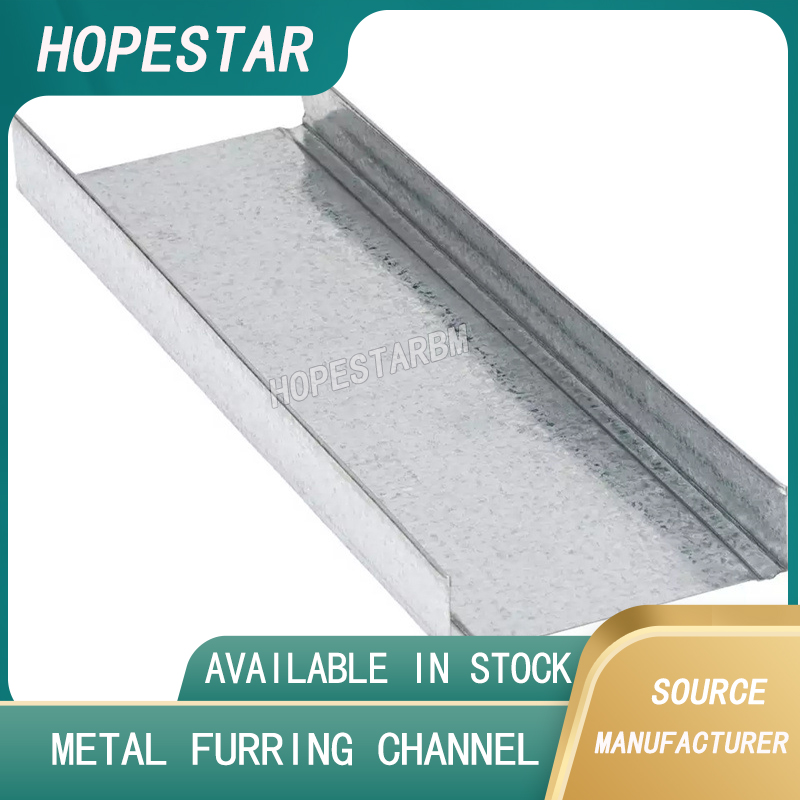
Galvanized steel profiles are the foundational metal framing components widely used in modern interior construction. Roll-formed from cold-rolled steel coated with protective zinc layer, galvanized steel profiles cover a full range of shapes including C studs, U tracks, omega channels,
Galvanized Steel Profiles – Reliable Cold Rolled Framing for Drywall Walls and Ceilings

Metal furring channel for ceiling is a vital secondary framing component widely used in suspended ceiling and drywall ceiling systems. Roll-formed from cold-rolled galvanized steel, this lightweight metal profile works together with main channels, hangers and wall angles to create a level,
Metal Furring Channel for Ceiling – Galvanized Secondary Framing for Suspended Drywall Ceilings

Metal omega channel, also widely called omega furring channel or hat channel, is an indispensable secondary metal framing profile for modern suspended ceilings and drywall wall furring systems. Named after its distinctive Ω shape, this profile is roll-formed from cold-rolled galvanized steel
Metal Omega Channel – Galvanized Omega Furring Channel for Drywall Ceiling and Wall Framing