
How much does a light steel keel usually weigh?
2024-06-25
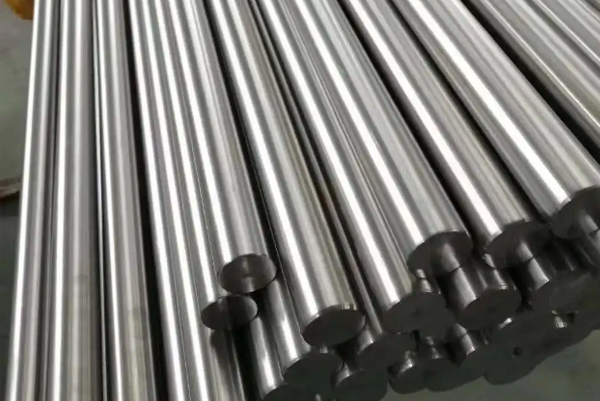
How much does a light steel keel usually weigh? As a widely used material in construction and interior decoration, the determination of the weight of light steel keel is influenced by various factors, including material, specifications, length, and production process. When discussing the issue of the general multiplicity of light steel keel, we need to first understand its structural characteristics and application areas, and then elaborate on the general range of its weight.
1、 The structural characteristics of light steel keel
Light steel keel is mainly processed from cold-rolled or hot-rolled steel plates through stamping, shearing, bending and other processes, and has the characteristics of lightweight, high strength, corrosion resistance, and easy processing. Its cross-sectional shape is usually a "C" or "U" shape, which can be customized according to different construction requirements. Light steel keel is widely used in indoor decoration fields such as suspended ceilings, partition walls, and partitions, as well as in construction fields such as steel structure factories and warehouses.
2、 Factors affecting the weight of light steel keel
1. Material: The material of light steel keel is generally low-carbon steel plate, and its carbon content and the amount of alloy elements added will affect its weight. Usually, the lower the carbon content, the less alloying elements are added, and the lighter the weight of the keel.
2. Specifications: The specifications of light steel keel include cross-sectional dimensions, thickness, and length. The larger the cross-sectional size, the thicker the thickness, and the longer the length, the greater the weight of the keel.
3. Production process: Different production processes can also affect the weight of light steel keel. For example, the keel produced by cold rolling process may have a slightly lighter weight compared to the keel produced by hot rolling process.
3、 The general range of weight for light steel keel
Due to the diverse specifications and materials of light steel keel, there are also significant differences in their weight. Generally speaking, the common cross-sectional dimensions of light steel keel are 50mm x 25mm, 75mm x 50mm, etc., with thicknesses ranging from 0.5mm to 1.5mm and lengths ranging from 2 meters to 6 meters. According to different specifications and materials, the weight of light steel keel is roughly between 0.5kg/m and 3kg/m.
However, it should be noted that this is only a rough range and cannot cover the weight of all light steel keels. In practical applications, we need to determine the weight of light steel keel based on specific specifications and materials.
4、 The Importance of Light Steel Keel Weight
Understanding the weight of light steel keel is of great significance for construction and design. Firstly, the weight of light steel keel will affect its transportation and installation costs. Lighter keel can reduce transportation costs and reduce labor intensity during installation. Secondly, the weight of light steel keel will also affect its load-bearing capacity. Although lightweight steel keel has the characteristic of being lightweight, its load-bearing capacity is not weak. In design and construction, we need to choose appropriate specifications and materials based on the load-bearing capacity of the keel to ensure construction quality and safety.
5、 How to choose a suitable light steel keel
When choosing a light steel keel, we need to comprehensively consider factors such as its weight, specifications, material, and load-bearing capacity. Firstly, we need to determine the specifications and materials of the keel based on construction requirements and budget. Generally speaking, the larger the specification and the better the material of the keel, the stronger its load-bearing capacity, but the price is also relatively high. Therefore, when choosing a keel, we need to weigh it based on actual needs.
Secondly, we need to consider the weight of the keel. The weight of light steel keel will have an impact on its cost during transportation and installation. Therefore, when choosing keels, we need to try to choose keels that are of moderate weight, easy to transport and install.
Finally, we also need to pay attention to the quality and production process of the keel. High quality keel should have a flat surface, uniform thickness, and good toughness. At the same time, the advanced level of production technology will also affect the quality and performance of the keel. Therefore, when choosing keel, we need to choose high-quality products produced by legitimate manufacturers.
6、 The development trend of light steel keel
With the increasing demand for environmental protection, energy conservation, and sustainable development, the application prospects of light steel keel as a green building material are becoming increasingly broad. In the future, light steel keel will pay more attention to environmental protection, energy conservation, and sustainable development, while its specifications, materials, and performance will continue to be optimized and improved. I believe that in the near future, light steel keel will play a more important role in the field of architecture and interior decoration
1、 The structural characteristics of light steel keel
Light steel keel is mainly processed from cold-rolled or hot-rolled steel plates through stamping, shearing, bending and other processes, and has the characteristics of lightweight, high strength, corrosion resistance, and easy processing. Its cross-sectional shape is usually a "C" or "U" shape, which can be customized according to different construction requirements. Light steel keel is widely used in indoor decoration fields such as suspended ceilings, partition walls, and partitions, as well as in construction fields such as steel structure factories and warehouses.
2、 Factors affecting the weight of light steel keel
1. Material: The material of light steel keel is generally low-carbon steel plate, and its carbon content and the amount of alloy elements added will affect its weight. Usually, the lower the carbon content, the less alloying elements are added, and the lighter the weight of the keel.
2. Specifications: The specifications of light steel keel include cross-sectional dimensions, thickness, and length. The larger the cross-sectional size, the thicker the thickness, and the longer the length, the greater the weight of the keel.
3. Production process: Different production processes can also affect the weight of light steel keel. For example, the keel produced by cold rolling process may have a slightly lighter weight compared to the keel produced by hot rolling process.
3、 The general range of weight for light steel keel
Due to the diverse specifications and materials of light steel keel, there are also significant differences in their weight. Generally speaking, the common cross-sectional dimensions of light steel keel are 50mm x 25mm, 75mm x 50mm, etc., with thicknesses ranging from 0.5mm to 1.5mm and lengths ranging from 2 meters to 6 meters. According to different specifications and materials, the weight of light steel keel is roughly between 0.5kg/m and 3kg/m.
However, it should be noted that this is only a rough range and cannot cover the weight of all light steel keels. In practical applications, we need to determine the weight of light steel keel based on specific specifications and materials.
4、 The Importance of Light Steel Keel Weight
Understanding the weight of light steel keel is of great significance for construction and design. Firstly, the weight of light steel keel will affect its transportation and installation costs. Lighter keel can reduce transportation costs and reduce labor intensity during installation. Secondly, the weight of light steel keel will also affect its load-bearing capacity. Although lightweight steel keel has the characteristic of being lightweight, its load-bearing capacity is not weak. In design and construction, we need to choose appropriate specifications and materials based on the load-bearing capacity of the keel to ensure construction quality and safety.
5、 How to choose a suitable light steel keel
When choosing a light steel keel, we need to comprehensively consider factors such as its weight, specifications, material, and load-bearing capacity. Firstly, we need to determine the specifications and materials of the keel based on construction requirements and budget. Generally speaking, the larger the specification and the better the material of the keel, the stronger its load-bearing capacity, but the price is also relatively high. Therefore, when choosing a keel, we need to weigh it based on actual needs.
Secondly, we need to consider the weight of the keel. The weight of light steel keel will have an impact on its cost during transportation and installation. Therefore, when choosing keels, we need to try to choose keels that are of moderate weight, easy to transport and install.
Finally, we also need to pay attention to the quality and production process of the keel. High quality keel should have a flat surface, uniform thickness, and good toughness. At the same time, the advanced level of production technology will also affect the quality and performance of the keel. Therefore, when choosing keel, we need to choose high-quality products produced by legitimate manufacturers.
6、 The development trend of light steel keel
With the increasing demand for environmental protection, energy conservation, and sustainable development, the application prospects of light steel keel as a green building material are becoming increasingly broad. In the future, light steel keel will pay more attention to environmental protection, energy conservation, and sustainable development, while its specifications, materials, and performance will continue to be optimized and improved. I believe that in the near future, light steel keel will play a more important role in the field of architecture and interior decoration
steel building material introduce
Will the light steel keel ceiling deform?
Related Article

Ceiling wall angle, also known as perimeter angle or L-angle, is an indispensable L-shaped metal profile for suspended drywall ceiling systems. Roll-formed from cold-rolled galvanized steel, ceiling wall angle is fixed along the wall perimeter to support the ends of main channels and furring channels,
Ceiling Wall Angle – Galvanized L-Shaped Perimeter Trim for Suspended Drywall Ceilings

Galvanized steel profiles are the foundational metal framing components widely used in modern interior construction. Roll-formed from cold-rolled steel coated with protective zinc layer, galvanized steel profiles cover a full range of shapes including C studs, U tracks, omega channels,
Galvanized Steel Profiles – Reliable Cold Rolled Framing for Drywall Walls and Ceilings

Metal furring channel for ceiling is a vital secondary framing component widely used in suspended ceiling and drywall ceiling systems. Roll-formed from cold-rolled galvanized steel, this lightweight metal profile works together with main channels, hangers and wall angles to create a level,
Metal Furring Channel for Ceiling – Galvanized Secondary Framing for Suspended Drywall Ceilings

Metal omega channel, also widely called omega furring channel or hat channel, is an indispensable secondary metal framing profile for modern suspended ceilings and drywall wall furring systems. Named after its distinctive Ω shape, this profile is roll-formed from cold-rolled galvanized steel
Metal Omega Channel – Galvanized Omega Furring Channel for Drywall Ceiling and Wall Framing