
Will the light steel keel ceiling deform?
2024-06-25
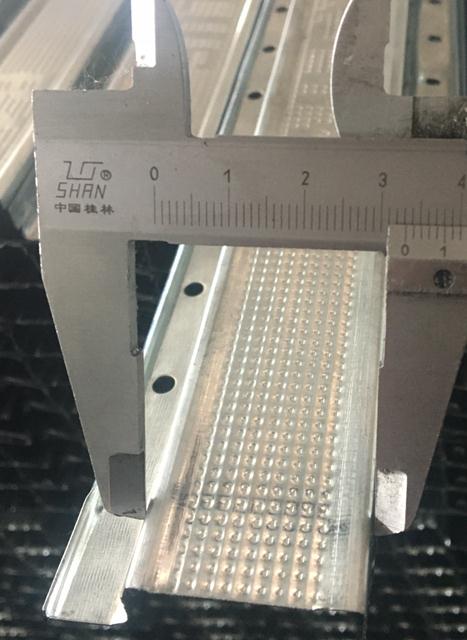
Light steel keel ceiling, as a commonly used ceiling material in modern indoor decoration, has been widely welcomed due to its unique advantages. However, the issue of whether the light steel keel ceiling will deform has always been a focus of concern for many homeowners and decorators. This article will delve into the causes of deformation and preventive measures of light steel keel suspended ceilings from multiple aspects such as material characteristics, installation technology, and usage environment.
1、 Material characteristics of light steel keel suspended ceiling
The light steel keel suspended ceiling is mainly composed of panel materials such as light steel keel and gypsum board. Light steel keel, as a new type of building material, has the characteristics of light weight, high strength, fire and moisture resistance, and corrosion resistance. These characteristics have made light steel keel suspended ceilings widely used in decoration. However, any material has its limitations, and light steel keel ceilings are no exception. In specific environments, deformation may occur if installed or used improperly.
2、 Reasons for deformation of light steel keel suspended ceiling
1. Material quality issue: Some manufacturers may use inferior materials to produce light steel keel in pursuit of profit, resulting in substandard product quality. This material is prone to deformation, fracture, and other issues during use.
2. Installation process issue: The installation of light steel keel suspended ceiling requires professional technology and experience. If the distance between the keel is too large, the fixation is not firm, and the connection is not handled properly during the installation process, it may cause deformation of the ceiling.
3. Environmental issues: Light steel keel ceilings also have certain requirements for the usage environment. If installed in an environment with high humidity and temperature fluctuations, or subjected to heavy pressure, external impact, etc., it may cause deformation of the ceiling.
3、 Measures to prevent deformation of light steel keel ceiling
1. Choose high-quality materials: When purchasing light steel keel ceilings, brands and manufacturers with good reputation and guaranteed quality should be selected. At the same time, attention should be paid to checking whether the material, thickness, strength and other indicators of the product meet the standards.
2. Standardized installation process: The installation of light steel keel suspended ceiling should be carried out by professional personnel to ensure that the keel spacing is reasonable, fixed firmly, and the connection points are properly handled during the installation process. In addition, during the installation process, attention should also be paid to protecting the surface of the ceiling to avoid scratches or damage.
3. Control the usage environment: Before installing the light steel keel ceiling, the usage environment should be evaluated. If the environmental humidity is high and the temperature fluctuates greatly, corresponding measures should be taken to improve it. For example, setting ventilation openings below the ceiling, adding insulation layers, etc. At the same time, it is necessary to avoid heavy object compression and external forces hitting the ceiling.
4、 Treatment method for deformation of light steel keel suspended ceiling
If deformation occurs during the use of the light steel keel ceiling, timely measures should be taken to handle it. For cases of slight deformation, repairs can be made by adjusting the spacing between keels, reinforcing the connections, and other methods. If the deformation is severe, it is necessary to replace some or all of the ceiling materials. During the processing, attention should be paid to protecting the surface of the ceiling and the surrounding environment to avoid secondary damage.
5、 Conclusion
Light steel keel ceiling, as a high-quality ceiling material, has a wide range of application prospects in decoration. However, deformation may also occur during use. To avoid this situation, we need to take effective preventive measures from multiple aspects such as material selection, installation process, and usage environment. At the same time, when deformation problems occur, timely measures should also be taken to ensure the flatness and aesthetics of the ceiling. Through the introduction and analysis of this article, it is believed that readers have a deeper understanding and comprehension of the deformation problem of light steel keel ceilings. In the future decoration process, we can pay more attention to the quality and installation details of the ceiling to ensure the perfect presentation of the decoration effect.
1、 Material characteristics of light steel keel suspended ceiling
The light steel keel suspended ceiling is mainly composed of panel materials such as light steel keel and gypsum board. Light steel keel, as a new type of building material, has the characteristics of light weight, high strength, fire and moisture resistance, and corrosion resistance. These characteristics have made light steel keel suspended ceilings widely used in decoration. However, any material has its limitations, and light steel keel ceilings are no exception. In specific environments, deformation may occur if installed or used improperly.
2、 Reasons for deformation of light steel keel suspended ceiling
1. Material quality issue: Some manufacturers may use inferior materials to produce light steel keel in pursuit of profit, resulting in substandard product quality. This material is prone to deformation, fracture, and other issues during use.
2. Installation process issue: The installation of light steel keel suspended ceiling requires professional technology and experience. If the distance between the keel is too large, the fixation is not firm, and the connection is not handled properly during the installation process, it may cause deformation of the ceiling.
3. Environmental issues: Light steel keel ceilings also have certain requirements for the usage environment. If installed in an environment with high humidity and temperature fluctuations, or subjected to heavy pressure, external impact, etc., it may cause deformation of the ceiling.
3、 Measures to prevent deformation of light steel keel ceiling
1. Choose high-quality materials: When purchasing light steel keel ceilings, brands and manufacturers with good reputation and guaranteed quality should be selected. At the same time, attention should be paid to checking whether the material, thickness, strength and other indicators of the product meet the standards.
2. Standardized installation process: The installation of light steel keel suspended ceiling should be carried out by professional personnel to ensure that the keel spacing is reasonable, fixed firmly, and the connection points are properly handled during the installation process. In addition, during the installation process, attention should also be paid to protecting the surface of the ceiling to avoid scratches or damage.
3. Control the usage environment: Before installing the light steel keel ceiling, the usage environment should be evaluated. If the environmental humidity is high and the temperature fluctuates greatly, corresponding measures should be taken to improve it. For example, setting ventilation openings below the ceiling, adding insulation layers, etc. At the same time, it is necessary to avoid heavy object compression and external forces hitting the ceiling.
4、 Treatment method for deformation of light steel keel suspended ceiling
If deformation occurs during the use of the light steel keel ceiling, timely measures should be taken to handle it. For cases of slight deformation, repairs can be made by adjusting the spacing between keels, reinforcing the connections, and other methods. If the deformation is severe, it is necessary to replace some or all of the ceiling materials. During the processing, attention should be paid to protecting the surface of the ceiling and the surrounding environment to avoid secondary damage.
5、 Conclusion
Light steel keel ceiling, as a high-quality ceiling material, has a wide range of application prospects in decoration. However, deformation may also occur during use. To avoid this situation, we need to take effective preventive measures from multiple aspects such as material selection, installation process, and usage environment. At the same time, when deformation problems occur, timely measures should also be taken to ensure the flatness and aesthetics of the ceiling. Through the introduction and analysis of this article, it is believed that readers have a deeper understanding and comprehension of the deformation problem of light steel keel ceilings. In the future decoration process, we can pay more attention to the quality and installation details of the ceiling to ensure the perfect presentation of the decoration effect.
How much does a light steel keel usually weigh?
Installation process of light steel keel ceiling
Related Article

Ceiling wall angle, also known as perimeter angle or L-angle, is an indispensable L-shaped metal profile for suspended drywall ceiling systems. Roll-formed from cold-rolled galvanized steel, ceiling wall angle is fixed along the wall perimeter to support the ends of main channels and furring channels,
Ceiling Wall Angle – Galvanized L-Shaped Perimeter Trim for Suspended Drywall Ceilings
Galvanized steel profiles are the foundational metal framing components widely used in modern interior construction. Roll-formed from cold-rolled steel coated with protective zinc layer, galvanized steel profiles cover a full range of shapes including C studs, U tracks, omega channels,
Galvanized Steel Profiles – Reliable Cold Rolled Framing for Drywall Walls and Ceilings

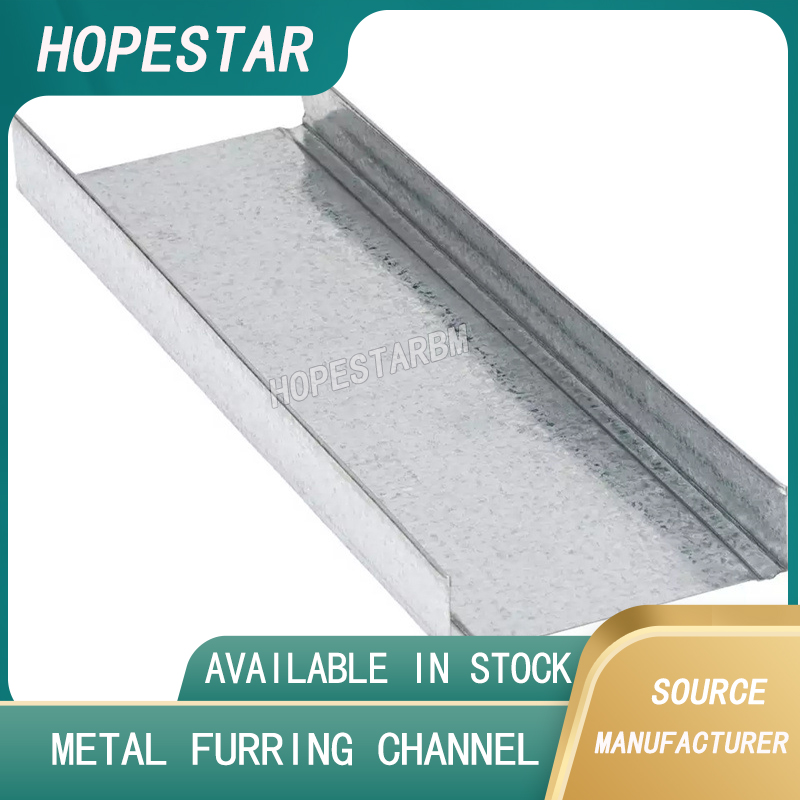
Metal furring channel for ceiling is a vital secondary framing component widely used in suspended ceiling and drywall ceiling systems. Roll-formed from cold-rolled galvanized steel, this lightweight metal profile works together with main channels, hangers and wall angles to create a level,
Metal Furring Channel for Ceiling – Galvanized Secondary Framing for Suspended Drywall Ceilings

Metal omega channel, also widely called omega furring channel or hat channel, is an indispensable secondary metal framing profile for modern suspended ceilings and drywall wall furring systems. Named after its distinctive Ω shape, this profile is roll-formed from cold-rolled galvanized steel
Metal Omega Channel – Galvanized Omega Furring Channel for Drywall Ceiling and Wall Framing