
What is the general thickness of light steel keel?
2024-06-23
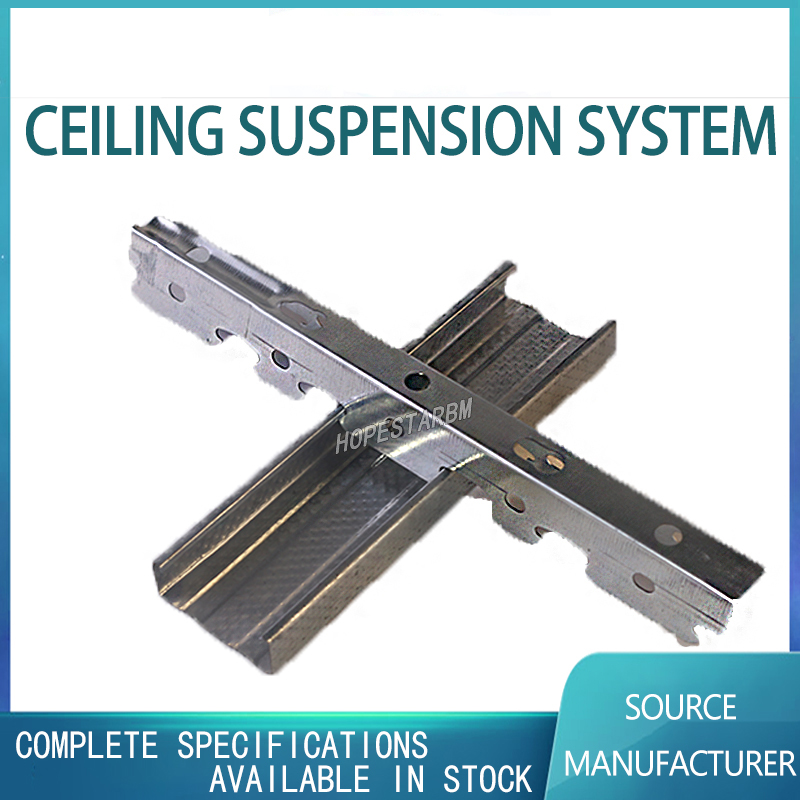
What is the general thickness of light steel keel? Firstly, we need to understand the basic concepts and uses of light steel keel. Light steel keel is a construction metal framework made from high-quality continuous hot-dip galvanized sheet and strip as raw materials, rolled through cold bending process. It is mainly used for supporting and fixing building structures such as suspended ceilings, partition walls, and lightweight partitions. Due to its advantages of light weight, high strength, fire and moisture resistance, and easy installation, light steel keel has been widely used in modern construction and decoration fields.
Next, we will focus on the thickness issue of light steel keel. The thickness of light steel keel is not fixed, but determined based on specific usage scenarios and load-bearing requirements. Generally speaking, the thickness range of light steel keel is between 0.4mm and 1.2mm. Light steel keel with different thicknesses is suitable for different occasions. For example, thinner light steel keels (such as 0.4mm and 0.45mm) are commonly used in light load situations such as indoor ceilings, while thicker light steel keels (such as 0.6mm, 0.8mm and 1.0mm and above) are suitable for load-bearing situations such as partitions and walls.
What is the general thickness of light steel keel? When selecting the thickness of light steel keel, the following factors need to be considered:
1. Load bearing requirements: The thickness of the light steel keel is closely related to its load-bearing capacity. In situations where heavy weight is required, thicker light steel keel should be selected to ensure its stability and safety.
2. Construction requirements: Different construction methods and requirements can also affect the selection of light steel keel. For example, for ceiling installation, it is necessary to consider factors such as the weight and size of the ceiling material, as well as the convenience of the installation method, in order to choose the appropriate thickness of the light steel keel.
3. Economy: On the premise of meeting the load-bearing requirements and construction needs, the economy of light steel keel also needs to be considered. A light steel keel with moderate thickness can meet the requirements of use, control costs, and improve the economic benefits of the project.
Furthermore, it should be noted that the thickness of light steel keel is not the only factor affecting its performance. What is the general thickness of light steel keel? In practical applications, it is also necessary to consider multiple aspects such as the material, surface treatment, and connection method of light steel keel. These factors collectively determine the effectiveness and lifespan of the use of light steel keel.
In summary, the thickness range of light steel keel is generally between 0.4mm and 1.2mm, and the specific selection needs to be comprehensively considered based on factors such as load-bearing requirements, construction needs, and economy. When choosing light steel keel, it is recommended to consult professional architectural and decoration designers or engineers to ensure that the selected materials meet project requirements and have good usage effects. Meanwhile, when using light steel keel, relevant construction norms and standards should be followed to ensure construction quality and safety.
Next, we will focus on the thickness issue of light steel keel. The thickness of light steel keel is not fixed, but determined based on specific usage scenarios and load-bearing requirements. Generally speaking, the thickness range of light steel keel is between 0.4mm and 1.2mm. Light steel keel with different thicknesses is suitable for different occasions. For example, thinner light steel keels (such as 0.4mm and 0.45mm) are commonly used in light load situations such as indoor ceilings, while thicker light steel keels (such as 0.6mm, 0.8mm and 1.0mm and above) are suitable for load-bearing situations such as partitions and walls.
What is the general thickness of light steel keel? When selecting the thickness of light steel keel, the following factors need to be considered:
1. Load bearing requirements: The thickness of the light steel keel is closely related to its load-bearing capacity. In situations where heavy weight is required, thicker light steel keel should be selected to ensure its stability and safety.
2. Construction requirements: Different construction methods and requirements can also affect the selection of light steel keel. For example, for ceiling installation, it is necessary to consider factors such as the weight and size of the ceiling material, as well as the convenience of the installation method, in order to choose the appropriate thickness of the light steel keel.
3. Economy: On the premise of meeting the load-bearing requirements and construction needs, the economy of light steel keel also needs to be considered. A light steel keel with moderate thickness can meet the requirements of use, control costs, and improve the economic benefits of the project.
Furthermore, it should be noted that the thickness of light steel keel is not the only factor affecting its performance. What is the general thickness of light steel keel? In practical applications, it is also necessary to consider multiple aspects such as the material, surface treatment, and connection method of light steel keel. These factors collectively determine the effectiveness and lifespan of the use of light steel keel.
In summary, the thickness range of light steel keel is generally between 0.4mm and 1.2mm, and the specific selection needs to be comprehensively considered based on factors such as load-bearing requirements, construction needs, and economy. When choosing light steel keel, it is recommended to consult professional architectural and decoration designers or engineers to ensure that the selected materials meet project requirements and have good usage effects. Meanwhile, when using light steel keel, relevant construction norms and standards should be followed to ensure construction quality and safety.
Three major advantages of using light steel keel as partition wall
Related Article

Ceiling wall angle, also known as perimeter angle or L-angle, is an indispensable L-shaped metal profile for suspended drywall ceiling systems. Roll-formed from cold-rolled galvanized steel, ceiling wall angle is fixed along the wall perimeter to support the ends of main channels and furring channels,
Ceiling Wall Angle – Galvanized L-Shaped Perimeter Trim for Suspended Drywall Ceilings
Galvanized steel profiles are the foundational metal framing components widely used in modern interior construction. Roll-formed from cold-rolled steel coated with protective zinc layer, galvanized steel profiles cover a full range of shapes including C studs, U tracks, omega channels,
Galvanized Steel Profiles – Reliable Cold Rolled Framing for Drywall Walls and Ceilings

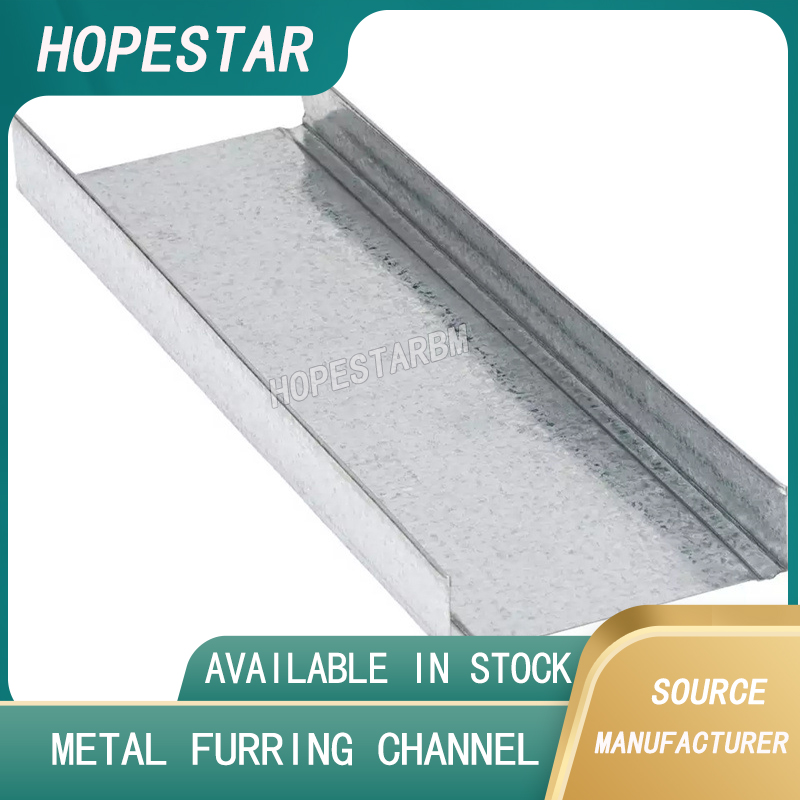
Metal furring channel for ceiling is a vital secondary framing component widely used in suspended ceiling and drywall ceiling systems. Roll-formed from cold-rolled galvanized steel, this lightweight metal profile works together with main channels, hangers and wall angles to create a level,
Metal Furring Channel for Ceiling – Galvanized Secondary Framing for Suspended Drywall Ceilings

Metal omega channel, also widely called omega furring channel or hat channel, is an indispensable secondary metal framing profile for modern suspended ceilings and drywall wall furring systems. Named after its distinctive Ω shape, this profile is roll-formed from cold-rolled galvanized steel
Metal Omega Channel – Galvanized Omega Furring Channel for Drywall Ceiling and Wall Framing