
What is the standard size of a furring channel?
2024-06-17
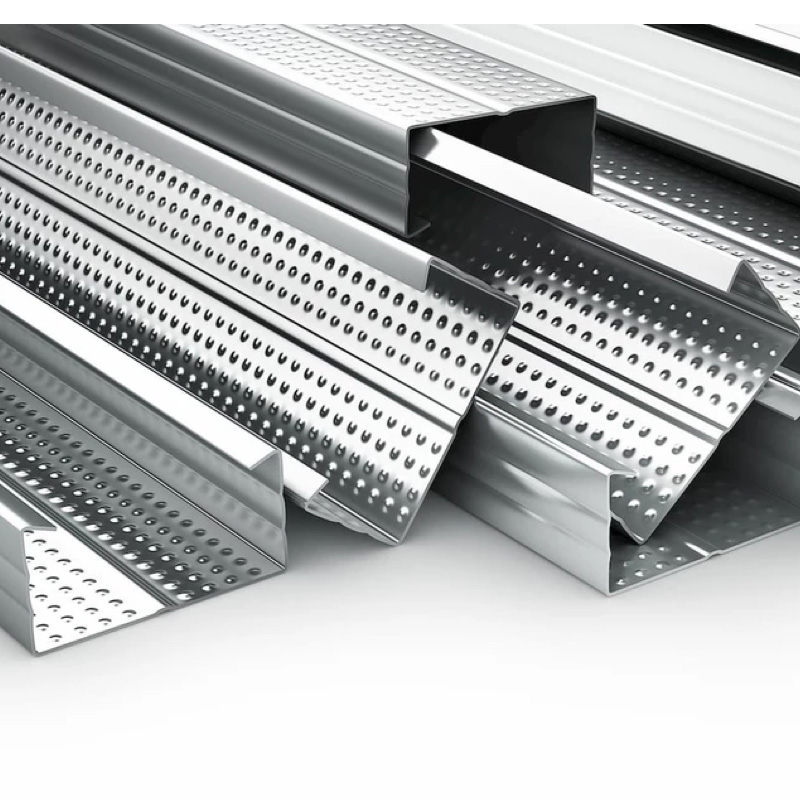
In the field of construction engineering, a furring channel is a crucial component used to support and secure various building materials, ensuring the stability of walls and structural integrity. However, the standard size of the furring channel is not a simple and clear answer, as it is influenced by various factors, including building type, design requirements, and local building codes.
Firstly, we need to clarify what a furring channel is. In short, a furring channel is a metal or wooden keel used to create a flat surface on walls or ceilings for installing various materials such as gypsum boards, sound insulation materials, insulation layers, etc. They are fixed to the structure through screws or other connection methods, forming a sturdy support system.
Due to the diverse application scenarios of furring channels, their sizes may also vary. In architectural design, designers will determine the required dimensions based on specific requirements and material characteristics. For example, in areas where heavier materials need to be carried, it may be necessary to use wider and thicker fur channels to provide sufficient support. Similarly, different materials have different standard sizes for furring channels to adapt to their specific physical properties and usage requirements.
In addition, building codes in various regions may also have regulations on the size of fur channels. These specifications are usually based on considerations of safety, durability, and construction convenience, with specific requirements for material selection, size, and usage. Therefore, in practical engineering, it is necessary to determine the standard dimensions of the furring channel according to local building codes.
Overall, the standard size of a fur channel is not a fixed value, but needs to be determined based on specific requirements and specifications. When selecting and using a funding channel, factors such as its load-bearing capacity, applicability, and construction convenience should be fully considered to ensure the quality and safety of the project.
It is worth noting that with the advancement of technology and the development of the construction industry, new types of fur channel materials and manufacturing processes continue to emerge, further improving their performance and range of use. In the future, with the continuous improvement of requirements for the performance of building materials, we have reason to believe that the standard dimensions and performance of furring channels will be designed with more precision and optimization.
At the same time, we should also pay attention to the fact that although modern building technology and materials have made significant progress, it is still necessary to strictly comply with relevant regulations and standards in actual construction to ensure the safety and stability of the project. For critical components like furring channels, it is even more necessary to strictly control their quality and size to prevent safety hazards caused by improper use or quality issues.
Therefore, when understanding the standard dimensions of the furring channel, we should not only focus on its numerical value, but also on the design philosophy and construction requirements behind it. Only in this way can we truly understand and correctly use this important building material, and contribute our own strength to the development of modern construction industry.
Firstly, we need to clarify what a furring channel is. In short, a furring channel is a metal or wooden keel used to create a flat surface on walls or ceilings for installing various materials such as gypsum boards, sound insulation materials, insulation layers, etc. They are fixed to the structure through screws or other connection methods, forming a sturdy support system.
Due to the diverse application scenarios of furring channels, their sizes may also vary. In architectural design, designers will determine the required dimensions based on specific requirements and material characteristics. For example, in areas where heavier materials need to be carried, it may be necessary to use wider and thicker fur channels to provide sufficient support. Similarly, different materials have different standard sizes for furring channels to adapt to their specific physical properties and usage requirements.
In addition, building codes in various regions may also have regulations on the size of fur channels. These specifications are usually based on considerations of safety, durability, and construction convenience, with specific requirements for material selection, size, and usage. Therefore, in practical engineering, it is necessary to determine the standard dimensions of the furring channel according to local building codes.
Overall, the standard size of a fur channel is not a fixed value, but needs to be determined based on specific requirements and specifications. When selecting and using a funding channel, factors such as its load-bearing capacity, applicability, and construction convenience should be fully considered to ensure the quality and safety of the project.
It is worth noting that with the advancement of technology and the development of the construction industry, new types of fur channel materials and manufacturing processes continue to emerge, further improving their performance and range of use. In the future, with the continuous improvement of requirements for the performance of building materials, we have reason to believe that the standard dimensions and performance of furring channels will be designed with more precision and optimization.
At the same time, we should also pay attention to the fact that although modern building technology and materials have made significant progress, it is still necessary to strictly comply with relevant regulations and standards in actual construction to ensure the safety and stability of the project. For critical components like furring channels, it is even more necessary to strictly control their quality and size to prevent safety hazards caused by improper use or quality issues.
Therefore, when understanding the standard dimensions of the furring channel, we should not only focus on its numerical value, but also on the design philosophy and construction requirements behind it. Only in this way can we truly understand and correctly use this important building material, and contribute our own strength to the development of modern construction industry.
Standard Dimensions of Light Steel Keel Ceiling
What is the Difference between a Hat Channel and a Resilient Channel?
Related Article

Ceiling wall angle, also known as perimeter angle or L-angle, is an indispensable L-shaped metal profile for suspended drywall ceiling systems. Roll-formed from cold-rolled galvanized steel, ceiling wall angle is fixed along the wall perimeter to support the ends of main channels and furring channels,
Ceiling Wall Angle – Galvanized L-Shaped Perimeter Trim for Suspended Drywall Ceilings
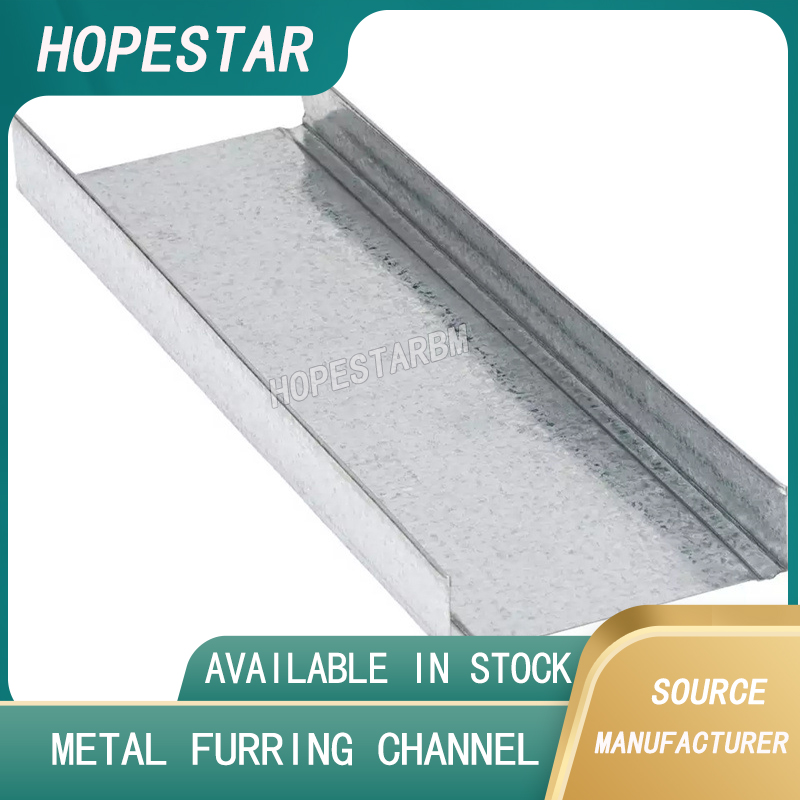
Galvanized steel profiles are the foundational metal framing components widely used in modern interior construction. Roll-formed from cold-rolled steel coated with protective zinc layer, galvanized steel profiles cover a full range of shapes including C studs, U tracks, omega channels,
Galvanized Steel Profiles – Reliable Cold Rolled Framing for Drywall Walls and Ceilings

Metal furring channel for ceiling is a vital secondary framing component widely used in suspended ceiling and drywall ceiling systems. Roll-formed from cold-rolled galvanized steel, this lightweight metal profile works together with main channels, hangers and wall angles to create a level,
Metal Furring Channel for Ceiling – Galvanized Secondary Framing for Suspended Drywall Ceilings

Metal omega channel, also widely called omega furring channel or hat channel, is an indispensable secondary metal framing profile for modern suspended ceilings and drywall wall furring systems. Named after its distinctive Ω shape, this profile is roll-formed from cold-rolled galvanized steel
Metal Omega Channel – Galvanized Omega Furring Channel for Drywall Ceiling and Wall Framing