
What is the Difference between a Hat Channel and a Resilient Channel?
2024-06-17
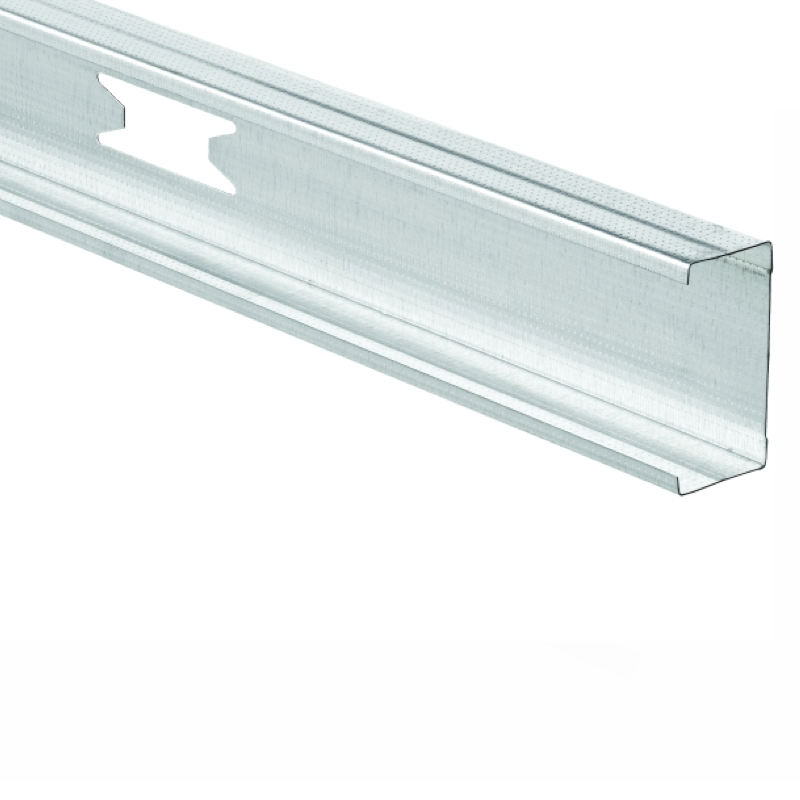
In the realm of construction and home improvement, there are various materials and components that play crucial roles in ensuring the structural integrity and functionality of buildings. Among these, hat channels and resilient channels are two such elements that are often utilized, but their specific applications and characteristics can vary significantly. Understanding the difference between these two components is crucial for architects, designers, and contractors alike.
Let's start by defining what each of these channels is. A hat channel, also known as a furring strip or furring channel, is a metal strip that is typically used in wall construction to create a space between the wall surface and the framing. It is often installed horizontally and serves as a support for attaching drywall or other wall coverings. Hat channels are designed to provide a flat, stable surface for the attachment of these materials, ensuring a smooth and even finish.
On the other hand, a resilient channel is a specific type of metal channel that is designed to provide a degree of flexibility and movement within a wall assembly. It is typically installed vertically and is used to isolate drywall or other wall coverings from the framing, allowing for a small amount of movement or deflection. This flexibility helps to reduce the transmission of sound and vibration through the wall, improving acoustical performance.
Now, let's delve into the key differences between these two channels. The primary distinction lies in their intended use and the way they function within a wall assembly. Hat channels are primarily used as a structural support, providing a stable surface for attaching wall coverings. They do not offer any significant acoustical benefits but are essential for ensuring a smooth and even wall finish.
In contrast, resilient channels are specifically designed to address acoustical concerns. By allowing for a small amount of movement between the wall covering and the framing, they help to reduce sound transmission and improve the overall acoustical performance of a room. This makes resilient channels particularly useful in areas where sound control is a priority, such as in multi-family housing, hotels, hospitals, and other spaces where noise reduction is desired.
Another difference between these two channels is their installation process. Hat channels are typically installed horizontally and are secured directly to the framing of the wall. They may be fastened with nails or screws, depending on the specific application and the materials being used. On the other hand, resilient channels are installed vertically and often require a more specialized installation process. They may involve the use of special clips or fasteners to ensure that the channel is securely in place and able to perform its acoustical function.
In terms of cost, hat channels tend to be more economical than resilient channels due to their simpler design and installation process. However, the cost of using resilient channels may be justified in certain applications where acoustical performance is a critical factor.
In summary, hat channels and resilient channels serve distinct roles in wall construction. Hat channels provide structural support for attaching wall coverings and ensure a smooth finish, while resilient channels are designed to improve acoustical performance by allowing for movement within the wall assembly. Understanding the differences between these two components and selecting the appropriate one for a specific application is crucial for achieving desired results in construction and home improvement projects.
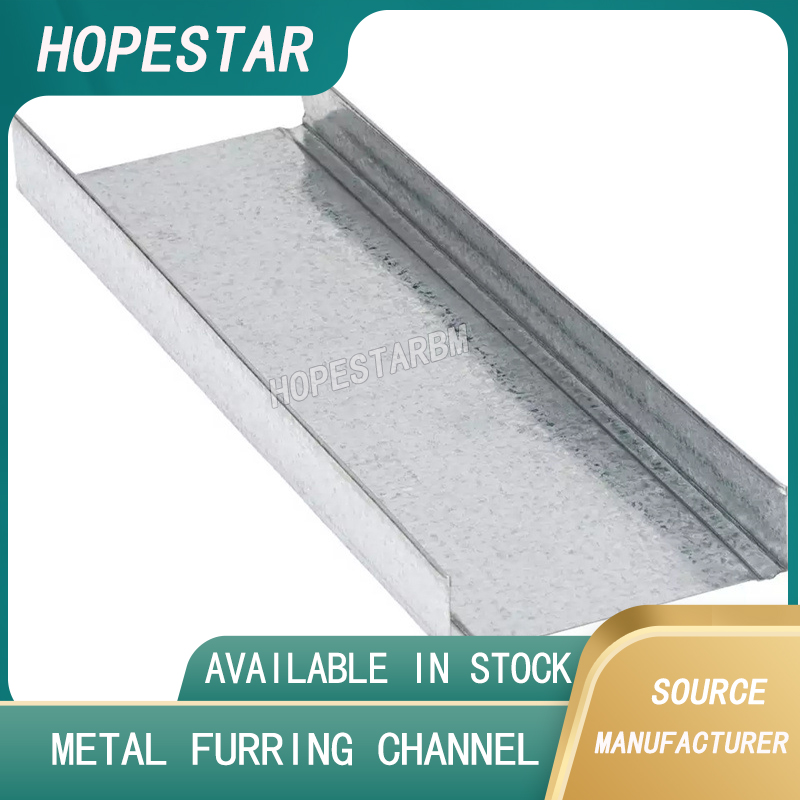
What is the standard size of a furring channel?
hat channel soundproofing
Related Article

Ceiling wall angle, also known as perimeter angle or L-angle, is an indispensable L-shaped metal profile for suspended drywall ceiling systems. Roll-formed from cold-rolled galvanized steel, ceiling wall angle is fixed along the wall perimeter to support the ends of main channels and furring channels,
Ceiling Wall Angle – Galvanized L-Shaped Perimeter Trim for Suspended Drywall Ceilings
Galvanized steel profiles are the foundational metal framing components widely used in modern interior construction. Roll-formed from cold-rolled steel coated with protective zinc layer, galvanized steel profiles cover a full range of shapes including C studs, U tracks, omega channels,
Galvanized Steel Profiles – Reliable Cold Rolled Framing for Drywall Walls and Ceilings

Metal furring channel for ceiling is a vital secondary framing component widely used in suspended ceiling and drywall ceiling systems. Roll-formed from cold-rolled galvanized steel, this lightweight metal profile works together with main channels, hangers and wall angles to create a level,
Metal Furring Channel for Ceiling – Galvanized Secondary Framing for Suspended Drywall Ceilings

Metal omega channel, also widely called omega furring channel or hat channel, is an indispensable secondary metal framing profile for modern suspended ceilings and drywall wall furring systems. Named after its distinctive Ω shape, this profile is roll-formed from cold-rolled galvanized steel
Metal Omega Channel – Galvanized Omega Furring Channel for Drywall Ceiling and Wall Framing