
What is a Lightweight Steel Frame?
2024-06-14
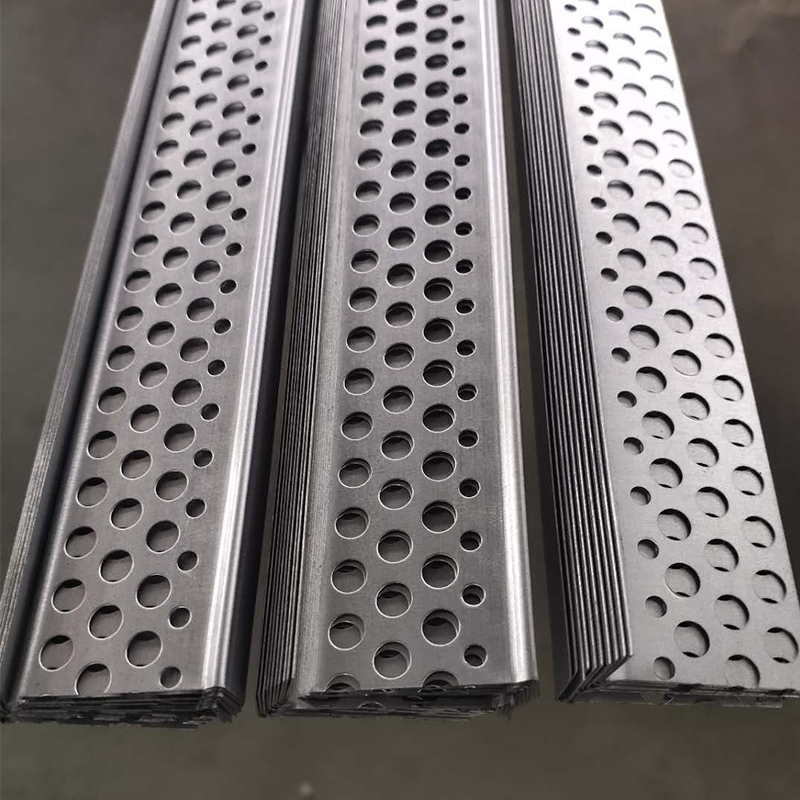
What is a Lightweight Steel Frame?A lightweight steel frame is a structural system composed of smaller cross-section hot-rolled H-shaped steel, high-frequency welded H-shaped steel, ordinary welded H-shaped or irregular cross-section steel, and cold-rolled or hot-rolled rectangular (or circular) steel tubes. This framework, whether it's a pure frame or a frame-bracing system, is designed to optimize structural performance while minimizing the use of steel. By incorporating lightweight floor systems and utilizing walls for lateral resistance, the lightweight steel frame offers numerous advantages.
Firstly, the lightweight nature of this steel frame significantly reduces the overall weight of the structure. This weight reduction has a dual benefit: it lessens the load on the foundation and thereby reduces the pressure on the ground, and it also allows for faster and easier construction. The reduced weight also translates into lower transportation costs during the construction phase.
Despite its lightness, the lightweight steel frame exhibits remarkable strength and rigidity. The high-strength steel components used in its construction provide excellent resistance to both earthquake and wind forces. This ensures the safety and stability of the structure, even in extreme weather conditions.
Moreover, the lightweight steel frame is highly industrialized. Prefabricated components are assembled on-site, greatly speeding up the construction process. This not only shortens the overall construction time but also enhances the precision and quality of the finished structure. The modular design of the frame allows for easy customization and adaptability to various architectural layouts.
Environmental sustainability is another hallmark of the lightweight steel frame. Steel is a recyclable material, and the frame can be dismantled and reused in future projects, minimizing waste and reducing the impact on the environment. Additionally, the efficient use of steel in the frame results in fewer emissions during the manufacturing process.
Aesthetically, the lightweight steel frame offers a high degree of flexibility. With various surface treatment options available, it can be tailored to fit any desired visual style. Whether it's a modern, minimalist look or a more traditional, ornate design, the steel frame can be customized to complement the overall architectural vision.
The applications of the lightweight steel frame are vast and diverse. It is commonly used in industrial buildings such as steel factories, warehouses, and sports stadiums. Its strength and durability, combined with the ease of construction, make it an ideal choice for these types of structures. Additionally, its lightweight nature and aesthetic versatility also lend it well to commercial buildings, where it can be used to create both functional and visually appealing spaces.
In conclusion, the lightweight steel frame is a versatile and efficient structural system that offers numerous benefits. Its light weight, high strength, industrialized construction, environmental sustainability, and aesthetic flexibility make it a preferred choice for a wide range of building projects. As the demand for sustainable and efficient construction continues to grow, the lightweight steel frame is poised to play a significant role in shaping the future of architecture and engineering.
Light Steel Keel Runner for Drywall standard size
Why use furring strips on ceiling
Related Article

Ceiling wall angle, also known as perimeter angle or L-angle, is an indispensable L-shaped metal profile for suspended drywall ceiling systems. Roll-formed from cold-rolled galvanized steel, ceiling wall angle is fixed along the wall perimeter to support the ends of main channels and furring channels,
Ceiling Wall Angle – Galvanized L-Shaped Perimeter Trim for Suspended Drywall Ceilings

Galvanized steel profiles are the foundational metal framing components widely used in modern interior construction. Roll-formed from cold-rolled steel coated with protective zinc layer, galvanized steel profiles cover a full range of shapes including C studs, U tracks, omega channels,
Galvanized Steel Profiles – Reliable Cold Rolled Framing for Drywall Walls and Ceilings

Metal furring channel for ceiling is a vital secondary framing component widely used in suspended ceiling and drywall ceiling systems. Roll-formed from cold-rolled galvanized steel, this lightweight metal profile works together with main channels, hangers and wall angles to create a level,
Metal Furring Channel for Ceiling – Galvanized Secondary Framing for Suspended Drywall Ceilings

Metal omega channel, also widely called omega furring channel or hat channel, is an indispensable secondary metal framing profile for modern suspended ceilings and drywall wall furring systems. Named after its distinctive Ω shape, this profile is roll-formed from cold-rolled galvanized steel
Metal Omega Channel – Galvanized Omega Furring Channel for Drywall Ceiling and Wall Framing