
What size are furring strips for drywall?
2024-06-13
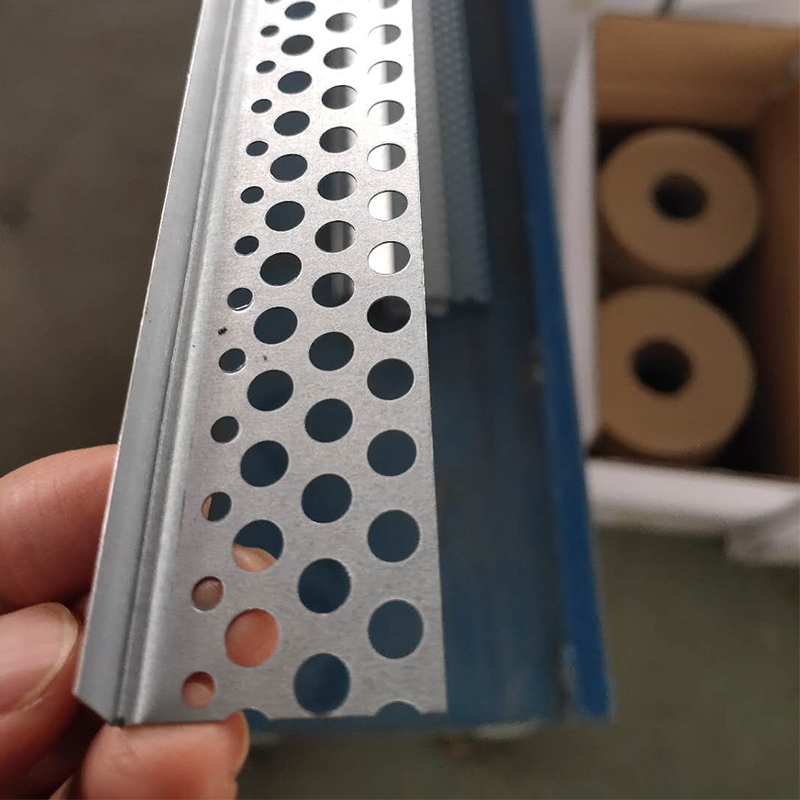
When it comes to installing drywall, furring strips play a crucial role in ensuring a smooth and secure surface. These strips, also known as furring channels or battens, are used to create a level and stable base for the drywall to be attached to. However, determining the appropriate size of furring strips for your specific project can be a challenge.
The size of furring strips for drywall typically depends on several factors, including the thickness of the drywall, the spacing between the strips, and the type of framing material being used. In most cases, furring strips are made from wood or metal and are available in various widths and thicknesses to suit different applications.
For standard drywall installation, furring strips are typically between 1 inch and 2 inches wide. This width provides sufficient support for the drywall panels and helps distribute the weight evenly across the framing material. The thickness of the strips can range from a fraction of an inch to several inches, depending on the requirements of the project.
The spacing between furring strips is also an important consideration. Too much spacing can result in an unstable surface for the drywall, while too little spacing can be wasteful and unnecessary. The spacing is typically determined by the type of framing material and the intended use of the wall. In residential construction, furring strips are often spaced at intervals of 16 inches or 24 inches on center.
When selecting the material for furring strips, wood and metal are both common choices. Wood furring strips are typically easier to work with and can be cut and nailed into place with basic tools. Metal furring strips, on the other hand, are more durable and resistant to moisture and rot. They are often used in commercial or industrial settings where a higher level of durability is required.
In addition to size and material, it's also important to consider the installation method for furring strips. Depending on the type of framing material and the layout of the wall, the strips may be nailed, screwed, or glued into place. It's essential to follow the manufacturer's instructions for proper installation to ensure a secure and stable surface for the drywall.
It's also worth noting that furring strips are not always necessary for drywall installation. In some cases, the drywall can be directly attached to the framing material using screws or nails. However, in situations where the framing material is not level or there are gaps or irregularities in the surface, furring strips can provide a smooth and even base for the drywall to be attached to.
In conclusion, the size of furring strips for drywall installation depends on a variety of factors including the thickness of the drywall, the spacing between the strips, the type of framing material, and the intended use of the wall. It's essential to carefully consider these factors and select the appropriate size and material for the project to ensure a secure and stable surface for the drywall. With the right furring strips in place, you can achieve a professional-looking drywall installation that will stand the test of time.
Why use furring strips on ceiling
Are furring strips needed for ceiling drywall?
Related Article

Ceiling wall angle, also known as perimeter angle or L-angle, is an indispensable L-shaped metal profile for suspended drywall ceiling systems. Roll-formed from cold-rolled galvanized steel, ceiling wall angle is fixed along the wall perimeter to support the ends of main channels and furring channels,
Ceiling Wall Angle – Galvanized L-Shaped Perimeter Trim for Suspended Drywall Ceilings

Galvanized steel profiles are the foundational metal framing components widely used in modern interior construction. Roll-formed from cold-rolled steel coated with protective zinc layer, galvanized steel profiles cover a full range of shapes including C studs, U tracks, omega channels,
Galvanized Steel Profiles – Reliable Cold Rolled Framing for Drywall Walls and Ceilings

Metal furring channel for ceiling is a vital secondary framing component widely used in suspended ceiling and drywall ceiling systems. Roll-formed from cold-rolled galvanized steel, this lightweight metal profile works together with main channels, hangers and wall angles to create a level,
Metal Furring Channel for Ceiling – Galvanized Secondary Framing for Suspended Drywall Ceilings

Metal omega channel, also widely called omega furring channel or hat channel, is an indispensable secondary metal framing profile for modern suspended ceilings and drywall wall furring systems. Named after its distinctive Ω shape, this profile is roll-formed from cold-rolled galvanized steel
Metal Omega Channel – Galvanized Omega Furring Channel for Drywall Ceiling and Wall Framing