
Are furring strips needed for ceiling drywall?
2024-06-13
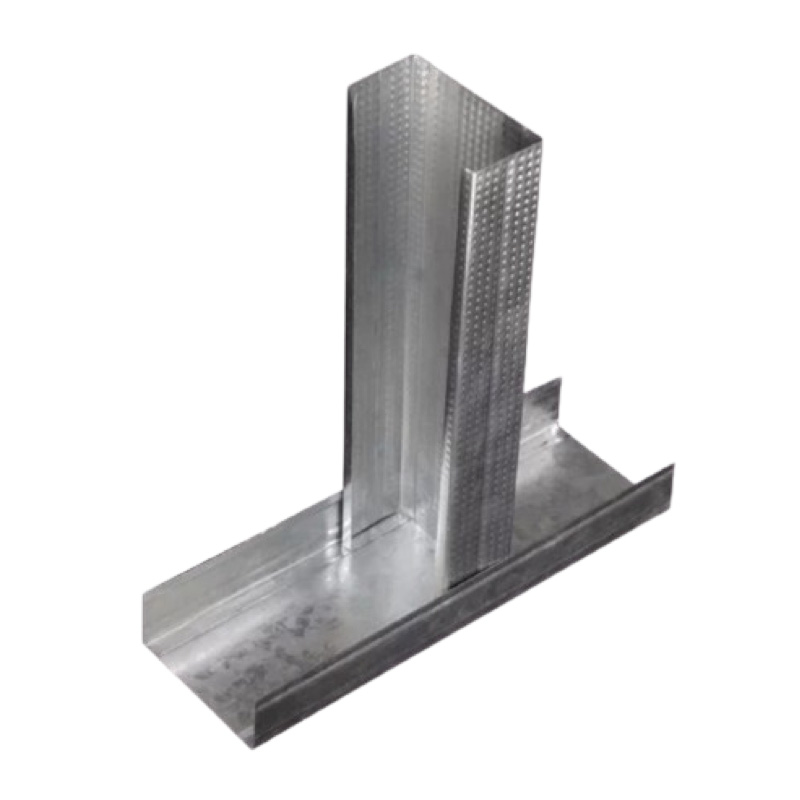
Ceiling drywall is one of the commonly used materials in modern interior decoration, which has the advantages of easy installation, smooth surface, and easy cleaning. However, the question of whether to use furring strips during the installation of ceiling drywalls often confuses many homeowners and decorators. This article will explore in detail the role, necessity, and related installation techniques of lining strips in the installation of ceiling drywalls.
Firstly, we need to clarify the definition and purpose of the lining strip. Lining strip, also known as reinforcing strip or fixing strip, is a strip material used to reinforce and support dry wall panels. During the installation process of ceiling drywalls, the main function of the lining strip is to provide a flat and stable base layer to ensure that the drywall panels can tightly fit, be flat and have no gaps. In addition, the lining strip can enhance the overall structural strength of the dry wall panel, preventing deformation and cracking caused by uneven stress or external forces.
So, is it necessary to use lining strips for ceiling drywalls? This actually depends on multiple factors, including the material and structure of the ceiling, as well as the size and weight of the drywall panels. Generally speaking, if the surface of the ceiling is flat, without obvious bumps or cracks, and the size of the dry wall panel is moderate and lightweight, then it may not be necessary to use lining strips. However, using lining strips would be a wise choice in the following situations:
1. Uneven ceiling surface: If there are obvious bumps, cracks, or unevenness in the ceiling, using dry wall panels directly may not achieve the desired leveling effect. At this point, the use of lining strips can form a transition layer between the base layer and the dry wall panel, effectively compensating for uneven defects in the ceiling.
2. Large or heavy dry wall panels: For large or heavy dry wall panels, the installation difficulty and stability requirements are higher. The use of lining strips can increase the support area and stability of dry wall panels, preventing deformation or detachment caused by uneven stress.
3. Need to enhance structural strength: In some cases, it is necessary to use lining strips to improve the overall structural strength of the ceiling dry wall and avoid damage caused by external forces. Lining strips can strengthen the connection and fixation of dry wall panels, making them more sturdy and reliable.
After understanding the necessity of using lining strips, we also need to master the correct installation techniques. Firstly, to ensure that the size and spacing of the lining strip meet the design requirements, it is generally necessary to arrange it reasonably based on the size and weight of the dry wall panel. Secondly, when installing the lining strip, it should be ensured that it is flat, free from distortion or deformation, and tightly adheres to the ceiling. Finally, when fixing the dry wall panel, appropriate screws or nails should be used and ensure that it is firmly fixed without shaking.
Furthermore, it is worth noting that although lining strips can improve the installation quality and stability of ceiling drywalls to a certain extent, they are not necessarily necessary in all cases. When choosing whether to use lining strips, a comprehensive judgment should be made based on the actual situation to avoid blindly following the trend or excessive use.
In summary, whether to use lining strips for the installation of ceiling drywalls depends on a comprehensive consideration of multiple factors. Under the premise of selecting and using lining strips correctly, we can ensure that the installation quality of ceiling drywalls reaches the best state, providing strong guarantees for the beauty and comfort of indoor spaces.
Firstly, we need to clarify the definition and purpose of the lining strip. Lining strip, also known as reinforcing strip or fixing strip, is a strip material used to reinforce and support dry wall panels. During the installation process of ceiling drywalls, the main function of the lining strip is to provide a flat and stable base layer to ensure that the drywall panels can tightly fit, be flat and have no gaps. In addition, the lining strip can enhance the overall structural strength of the dry wall panel, preventing deformation and cracking caused by uneven stress or external forces.
So, is it necessary to use lining strips for ceiling drywalls? This actually depends on multiple factors, including the material and structure of the ceiling, as well as the size and weight of the drywall panels. Generally speaking, if the surface of the ceiling is flat, without obvious bumps or cracks, and the size of the dry wall panel is moderate and lightweight, then it may not be necessary to use lining strips. However, using lining strips would be a wise choice in the following situations:
1. Uneven ceiling surface: If there are obvious bumps, cracks, or unevenness in the ceiling, using dry wall panels directly may not achieve the desired leveling effect. At this point, the use of lining strips can form a transition layer between the base layer and the dry wall panel, effectively compensating for uneven defects in the ceiling.
2. Large or heavy dry wall panels: For large or heavy dry wall panels, the installation difficulty and stability requirements are higher. The use of lining strips can increase the support area and stability of dry wall panels, preventing deformation or detachment caused by uneven stress.
3. Need to enhance structural strength: In some cases, it is necessary to use lining strips to improve the overall structural strength of the ceiling dry wall and avoid damage caused by external forces. Lining strips can strengthen the connection and fixation of dry wall panels, making them more sturdy and reliable.
After understanding the necessity of using lining strips, we also need to master the correct installation techniques. Firstly, to ensure that the size and spacing of the lining strip meet the design requirements, it is generally necessary to arrange it reasonably based on the size and weight of the dry wall panel. Secondly, when installing the lining strip, it should be ensured that it is flat, free from distortion or deformation, and tightly adheres to the ceiling. Finally, when fixing the dry wall panel, appropriate screws or nails should be used and ensure that it is firmly fixed without shaking.
Furthermore, it is worth noting that although lining strips can improve the installation quality and stability of ceiling drywalls to a certain extent, they are not necessarily necessary in all cases. When choosing whether to use lining strips, a comprehensive judgment should be made based on the actual situation to avoid blindly following the trend or excessive use.
In summary, whether to use lining strips for the installation of ceiling drywalls depends on a comprehensive consideration of multiple factors. Under the premise of selecting and using lining strips correctly, we can ensure that the installation quality of ceiling drywalls reaches the best state, providing strong guarantees for the beauty and comfort of indoor spaces.
What size are furring strips for drywall?
How to install a furring wall?
Related Article

Ceiling wall angle, also known as perimeter angle or L-angle, is an indispensable L-shaped metal profile for suspended drywall ceiling systems. Roll-formed from cold-rolled galvanized steel, ceiling wall angle is fixed along the wall perimeter to support the ends of main channels and furring channels,
Ceiling Wall Angle – Galvanized L-Shaped Perimeter Trim for Suspended Drywall Ceilings
Galvanized steel profiles are the foundational metal framing components widely used in modern interior construction. Roll-formed from cold-rolled steel coated with protective zinc layer, galvanized steel profiles cover a full range of shapes including C studs, U tracks, omega channels,
Galvanized Steel Profiles – Reliable Cold Rolled Framing for Drywall Walls and Ceilings

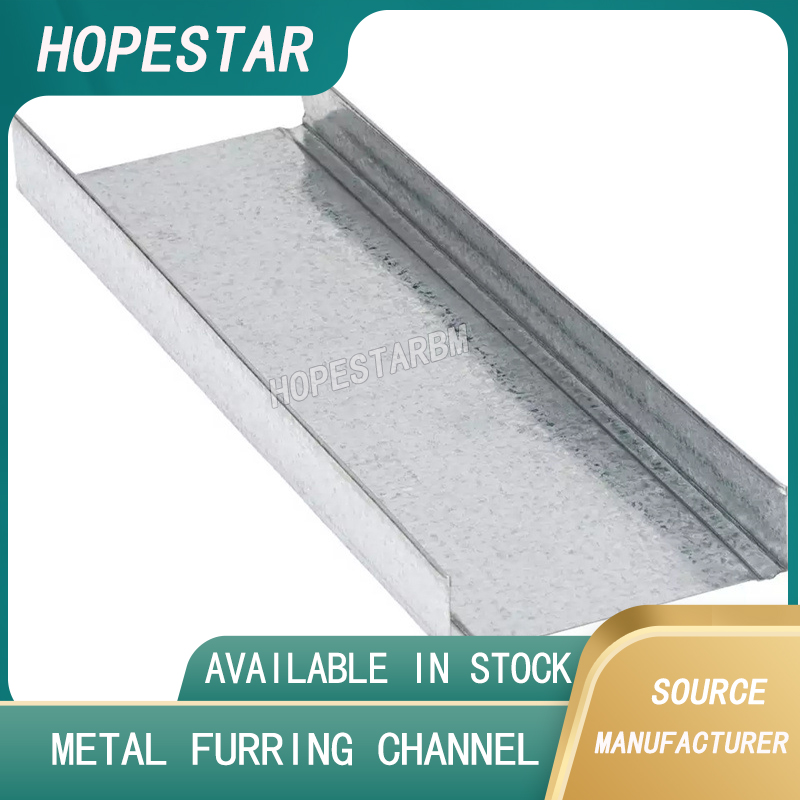
Metal furring channel for ceiling is a vital secondary framing component widely used in suspended ceiling and drywall ceiling systems. Roll-formed from cold-rolled galvanized steel, this lightweight metal profile works together with main channels, hangers and wall angles to create a level,
Metal Furring Channel for Ceiling – Galvanized Secondary Framing for Suspended Drywall Ceilings

Metal omega channel, also widely called omega furring channel or hat channel, is an indispensable secondary metal framing profile for modern suspended ceilings and drywall wall furring systems. Named after its distinctive Ω shape, this profile is roll-formed from cold-rolled galvanized steel
Metal Omega Channel – Galvanized Omega Furring Channel for Drywall Ceiling and Wall Framing