
What is the use of furring channel in drywall?
2024-06-13
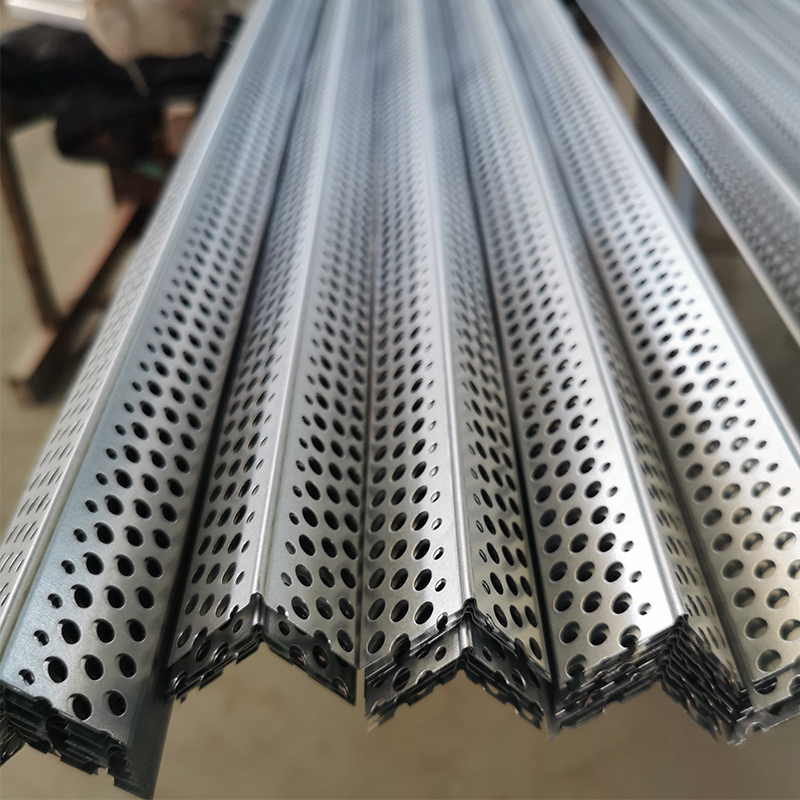
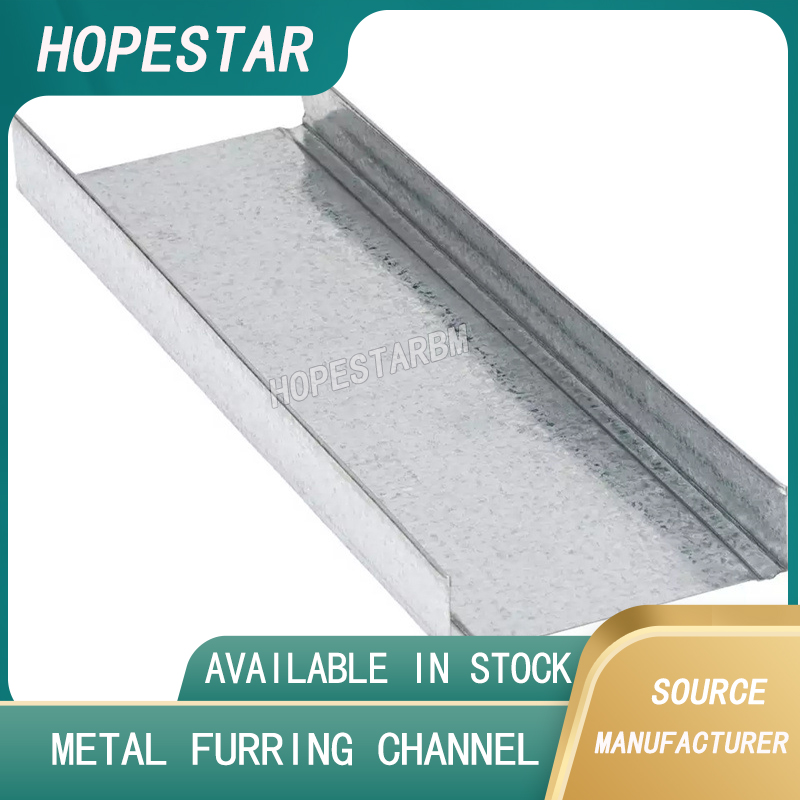
Drywall, also known as drywall construction or drywall partitioning, is a common building technique used for interior walls. It involves the installation of prefabricated wall panels, often made of gypsum board, which are attached to a frame of furring channels. These furring channels, also referred to as hat channels or runners, play a crucial role in the construction process. Let's delve into the use and importance of furring channels in drywall construction.
Firstly, furring channels provide a stable and secure framework for the attachment of drywall panels. They are typically made of metal, such as galvanized steel, and are designed with flanges or lips that allow for easy attachment of the wall panels. The channels are installed vertically and horizontally, creating a grid-like structure that serves as the backbone of the wall system. This structure ensures that the wall panels are securely fastened and can withstand the forces of daily use and potential impacts.
Secondly, furring channels allow for adjustments in the wall's thickness. This is especially beneficial in situations where there is a need for additional insulation or soundproofing. By adding extra layers of material between the furring channels and the wall panels, the overall thickness of the wall can be increased, thus improving its insulating and sound-dampening properties.
Furthermore, furring channels facilitate the installation of electrical wiring and plumbing fixtures within the wall cavity. The channels provide a space where wires and pipes can be routed without having to cut into the wall panels themselves. This not only simplifies the installation process but also ensures that the integrity of the wall panels is maintained.
Additionally, furring channels can be used to create offsets or recesses in the wall surface. This is particularly useful when installing fixtures such as shelves, cabinets, or other wall-mounted items that require a recessed space for installation. The channels can be installed at different depths, creating a stepped surface that allows for the secure attachment of these fixtures.
Moreover, furring channels contribute to the overall structural integrity of the drywall system. They provide additional support and reinforcement, helping to distribute the weight and loads of the wall panels evenly across the framing structure. This ensures that the walls are stable and able to withstand the forces of gravity and potential seismic activity.
In terms of aesthetics, furring channels can also be used to create a smooth and seamless wall surface. By carefully aligning and attaching the wall panels to the channels, any gaps or irregularities can be minimized, resulting in a clean and professional-looking finish.
Lastly, the use of furring channels in drywall construction allows for greater flexibility and adaptability. Since the channels are installed separately from the wall panels, they can be easily adjusted or modified to accommodate changes in the layout or design of the interior space. This flexibility makes drywall construction a versatile and cost-effective solution for a wide range of applications, from residential homes to commercial spaces.
In conclusion, furring channels play a crucial role in drywall construction. They provide a stable and secure framework for the attachment of wall panels, allow for adjustments in wall thickness, facilitate the installation of electrical wiring and plumbing fixtures, create offsets or recesses for fixtures, contribute to structural integrity, enhance aesthetics, and offer flexibility and adaptability. Understanding the use and importance of furring channels is essential for achieving successful and durable drywall installations.
Drywall hat track sizes
What is drywall furring channel or hat channel?
Related Article

Ceiling wall angle, also known as perimeter angle or L-angle, is an indispensable L-shaped metal profile for suspended drywall ceiling systems. Roll-formed from cold-rolled galvanized steel, ceiling wall angle is fixed along the wall perimeter to support the ends of main channels and furring channels,
Ceiling Wall Angle – Galvanized L-Shaped Perimeter Trim for Suspended Drywall Ceilings
Galvanized steel profiles are the foundational metal framing components widely used in modern interior construction. Roll-formed from cold-rolled steel coated with protective zinc layer, galvanized steel profiles cover a full range of shapes including C studs, U tracks, omega channels,
Galvanized Steel Profiles – Reliable Cold Rolled Framing for Drywall Walls and Ceilings

Metal furring channel for ceiling is a vital secondary framing component widely used in suspended ceiling and drywall ceiling systems. Roll-formed from cold-rolled galvanized steel, this lightweight metal profile works together with main channels, hangers and wall angles to create a level,
Metal Furring Channel for Ceiling – Galvanized Secondary Framing for Suspended Drywall Ceilings

Metal omega channel, also widely called omega furring channel or hat channel, is an indispensable secondary metal framing profile for modern suspended ceilings and drywall wall furring systems. Named after its distinctive Ω shape, this profile is roll-formed from cold-rolled galvanized steel
Metal Omega Channel – Galvanized Omega Furring Channel for Drywall Ceiling and Wall Framing