
What is the difference between a furring channel and a hat channel?
2024-06-12
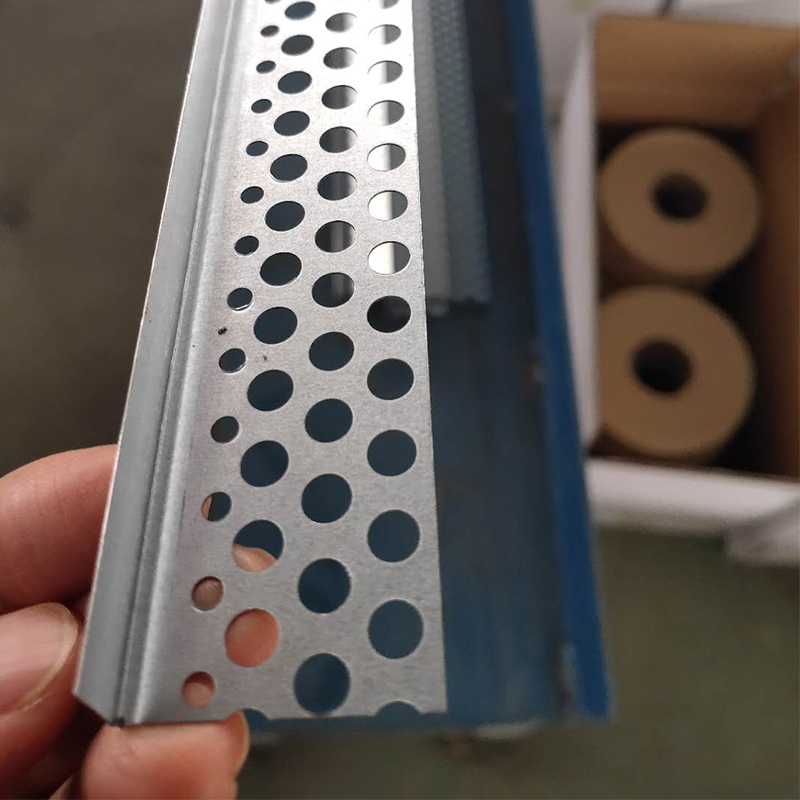
In the construction and decoration industry, various specialized terms are often encountered, among which "furring channel" and "hat channel" are two common concepts. Although they have certain similarities in functionality, they have their own unique characteristics and uses in practical applications. This article will explore in detail the differences between furring channel and hat channel.
Firstly, let's take a look at the funding channel. Furring channel, Also known as edging channel or elevated material channel, it is mainly used to create a flat and stable surface on walls or other supporting structures for installing various decorative materials, such as gypsum boards, wooden boards, etc. This type of groove is usually made of metal and has a certain strength and durability, which can effectively disperse the weight of decorative materials and ensure their stability during installation. In addition, the furring channel can also be used to adjust the horizontal height of decorative materials to achieve a smoother and more aesthetically pleasing decorative effect.
Compared to furring channels, hat channels differ in shape and purpose. Hat channel, Also known as a hat shaped groove, its shape resembles an inverted hat, hence its name. It is mainly used to support and fix suspended ceilings or other ceiling structures. Hat channels are usually made of heavier metal materials, which have stronger load-bearing capacity and stability. When installing the ceiling, the hat channel can be fixed to the wall or roof structure to form a sturdy support frame, and the ceiling material can be installed on this frame to achieve a stable and flat ceiling effect.
In addition to differences in shape and purpose, there are also differences in installation methods and material selection between furring channels and hat channels. Furring channels usually need to be customized according to specific decoration needs and wall structures to ensure that their size and shape can perfectly match the decorative materials. And hat channels pay more attention to their load-bearing capacity and stability, so they will pay more attention to their strength and durability in material selection and manufacturing processes.
In decoration engineering, it is crucial to choose the appropriate channel type based on specific needs and scenarios. For walls that require the installation of lightweight decorative materials, a furring channel may be a more suitable choice as it can provide sufficient support and flatness without adding too much weight. For situations where heavy suspended ceilings or ceiling structures need to be supported, the hat channel is more suitable because it has stronger load-bearing capacity and stability, ensuring the safety and stability of the suspended ceiling.
In addition, it is worth noting that certain construction norms and standards need to be followed when installing fur or hat channels to ensure installation quality and safety. Construction personnel need to select appropriate channel types, sizes, and installation positions based on project requirements and actual on-site conditions, and conduct accurate measurements and positioning. At the same time, it is also necessary to pay attention to the fixing method of the channel and the selection of connectors to ensure their firmness, reliability, and resistance to loosening.
In summary, the furring channel and the hat channel each have their unique application scenarios and advantages in the construction and decoration industries. Understanding the differences and connections between them helps us to more accurately select and use these specialized channels in practical work, thereby achieving better decoration effects and engineering quality.
Firstly, let's take a look at the funding channel. Furring channel, Also known as edging channel or elevated material channel, it is mainly used to create a flat and stable surface on walls or other supporting structures for installing various decorative materials, such as gypsum boards, wooden boards, etc. This type of groove is usually made of metal and has a certain strength and durability, which can effectively disperse the weight of decorative materials and ensure their stability during installation. In addition, the furring channel can also be used to adjust the horizontal height of decorative materials to achieve a smoother and more aesthetically pleasing decorative effect.
Compared to furring channels, hat channels differ in shape and purpose. Hat channel, Also known as a hat shaped groove, its shape resembles an inverted hat, hence its name. It is mainly used to support and fix suspended ceilings or other ceiling structures. Hat channels are usually made of heavier metal materials, which have stronger load-bearing capacity and stability. When installing the ceiling, the hat channel can be fixed to the wall or roof structure to form a sturdy support frame, and the ceiling material can be installed on this frame to achieve a stable and flat ceiling effect.
In addition to differences in shape and purpose, there are also differences in installation methods and material selection between furring channels and hat channels. Furring channels usually need to be customized according to specific decoration needs and wall structures to ensure that their size and shape can perfectly match the decorative materials. And hat channels pay more attention to their load-bearing capacity and stability, so they will pay more attention to their strength and durability in material selection and manufacturing processes.
In decoration engineering, it is crucial to choose the appropriate channel type based on specific needs and scenarios. For walls that require the installation of lightweight decorative materials, a furring channel may be a more suitable choice as it can provide sufficient support and flatness without adding too much weight. For situations where heavy suspended ceilings or ceiling structures need to be supported, the hat channel is more suitable because it has stronger load-bearing capacity and stability, ensuring the safety and stability of the suspended ceiling.
In addition, it is worth noting that certain construction norms and standards need to be followed when installing fur or hat channels to ensure installation quality and safety. Construction personnel need to select appropriate channel types, sizes, and installation positions based on project requirements and actual on-site conditions, and conduct accurate measurements and positioning. At the same time, it is also necessary to pay attention to the fixing method of the channel and the selection of connectors to ensure their firmness, reliability, and resistance to loosening.
In summary, the furring channel and the hat channel each have their unique application scenarios and advantages in the construction and decoration industries. Understanding the differences and connections between them helps us to more accurately select and use these specialized channels in practical work, thereby achieving better decoration effects and engineering quality.
Furring channel sizes chart
Can shock-absorbing light steel keel be used as a ceiling
Related Article

Ceiling wall angle, also known as perimeter angle or L-angle, is an indispensable L-shaped metal profile for suspended drywall ceiling systems. Roll-formed from cold-rolled galvanized steel, ceiling wall angle is fixed along the wall perimeter to support the ends of main channels and furring channels,
Ceiling Wall Angle – Galvanized L-Shaped Perimeter Trim for Suspended Drywall Ceilings

Galvanized steel profiles are the foundational metal framing components widely used in modern interior construction. Roll-formed from cold-rolled steel coated with protective zinc layer, galvanized steel profiles cover a full range of shapes including C studs, U tracks, omega channels,
Galvanized Steel Profiles – Reliable Cold Rolled Framing for Drywall Walls and Ceilings

Metal furring channel for ceiling is a vital secondary framing component widely used in suspended ceiling and drywall ceiling systems. Roll-formed from cold-rolled galvanized steel, this lightweight metal profile works together with main channels, hangers and wall angles to create a level,
Metal Furring Channel for Ceiling – Galvanized Secondary Framing for Suspended Drywall Ceilings

Metal omega channel, also widely called omega furring channel or hat channel, is an indispensable secondary metal framing profile for modern suspended ceilings and drywall wall furring systems. Named after its distinctive Ω shape, this profile is roll-formed from cold-rolled galvanized steel
Metal Omega Channel – Galvanized Omega Furring Channel for Drywall Ceiling and Wall Framing