
Is metal furring good for walls?
2024-06-12
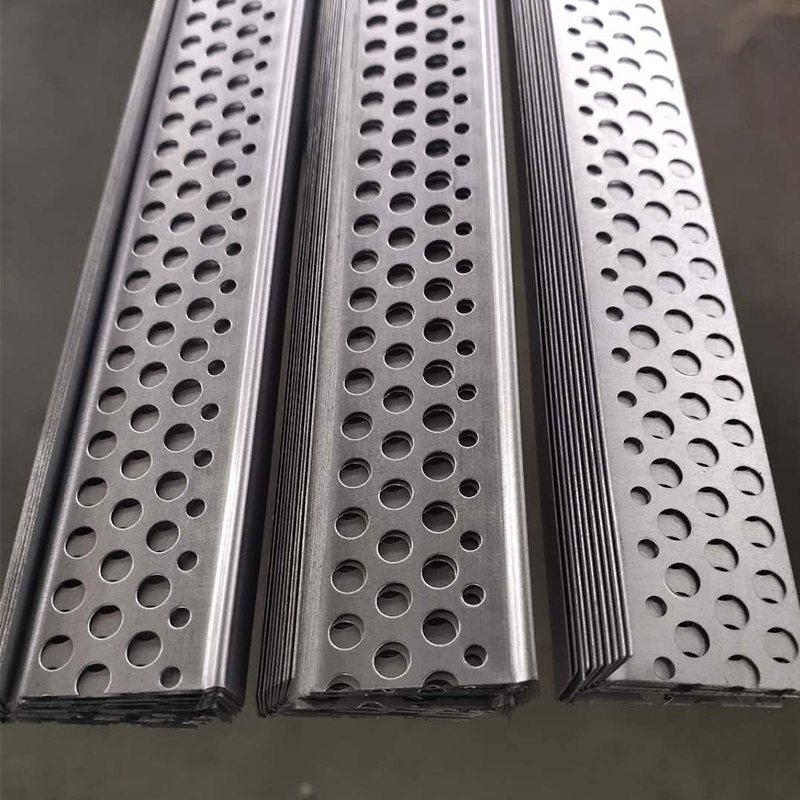
Metal furring, also known as metal framing or metal stud framing, has become increasingly popular in construction due to its numerous advantages. However, the question remains: is metal furring good for walls? This article aims to explore the pros and cons of using metal furring for wall construction, considering its performance, installation, cost, and other factors.
Firstly, let's delve into the performance aspect of metal furring. Metal framing offers excellent strength and stability, making it suitable for a variety of wall applications. It can easily support the weight of insulation, drywall, and other finishes, ensuring a secure and durable wall structure. Additionally, metal furring is resistant to rot, mold, and pests, unlike wooden framing which can be susceptible to these issues. This durability ensures a longer lifespan for metal-framed walls, reducing the need for frequent repairs or replacements.
Moreover, metal furring provides superior fire resistance compared to traditional wooden framing. Metal does not burn, thus reducing the risk of fire spreading through the walls in case of a fire. This added safety feature is crucial in both residential and commercial buildings.
Installation of metal furring is also relatively straightforward and efficient. Metal studs can be easily cut and shaped to fit various wall configurations, making it adaptable to different design requirements. Furthermore, the use of metal connectors and fasteners simplifies the installation process, reducing the need for complex carpentry skills. This makes metal furring a viable option for both DIY enthusiasts and professional contractors alike.
Cost is another important factor to consider when evaluating the suitability of metal furring for walls. Initially, the cost of metal framing may be higher than traditional wooden framing. However, when considering the long-term benefits such as durability, reduced maintenance costs, and increased safety, the initial investment often pays off. Additionally, metal furring can contribute to energy efficiency by providing a thermal break, reducing heat transfer through the walls. This can lead to lower heating and cooling costs over time, further justifying the cost of metal framing.
However, it's worth noting that metal furring may not be suitable for all wall applications. For instance, in areas with high humidity or exposure to corrosive elements, special coatings or treatments may be required to protect the metal from corrosion. Additionally, metal framing may not provide the same acoustic insulation as wooden framing, which can be a concern in certain applications such as multi-family housing or office spaces.
Moreover, while metal furring offers superior fire resistance, it can also conduct heat more efficiently than wood. This means that in case of a fire, metal framing can potentially spread heat more rapidly through the wall assembly, affecting the integrity of other building components. Therefore, it's crucial to ensure that the entire wall assembly, including insulation and finishes, is designed to meet fire safety standards.
In conclusion, metal furring can be a good choice for walls in many construction applications. Its durability, fire resistance, easy installation, and cost-effectiveness make it a viable alternative to traditional wooden framing. However, it's important to consider the specific requirements and conditions of each project to determine if metal furring is the most suitable option. By carefully evaluating the performance, installation, cost, and other factors involved, you can make an informed decision that will contribute to a safe, durable, and efficient wall system for your construction project.
What is the spacing for metal studs in drywall?
What is the standard spacing of metal furring for wall?
Related Article

Ceiling wall angle, also known as perimeter angle or L-angle, is an indispensable L-shaped metal profile for suspended drywall ceiling systems. Roll-formed from cold-rolled galvanized steel, ceiling wall angle is fixed along the wall perimeter to support the ends of main channels and furring channels,
Ceiling Wall Angle – Galvanized L-Shaped Perimeter Trim for Suspended Drywall Ceilings

Galvanized steel profiles are the foundational metal framing components widely used in modern interior construction. Roll-formed from cold-rolled steel coated with protective zinc layer, galvanized steel profiles cover a full range of shapes including C studs, U tracks, omega channels,
Galvanized Steel Profiles – Reliable Cold Rolled Framing for Drywall Walls and Ceilings

Metal furring channel for ceiling is a vital secondary framing component widely used in suspended ceiling and drywall ceiling systems. Roll-formed from cold-rolled galvanized steel, this lightweight metal profile works together with main channels, hangers and wall angles to create a level,
Metal Furring Channel for Ceiling – Galvanized Secondary Framing for Suspended Drywall Ceilings

Metal omega channel, also widely called omega furring channel or hat channel, is an indispensable secondary metal framing profile for modern suspended ceilings and drywall wall furring systems. Named after its distinctive Ω shape, this profile is roll-formed from cold-rolled galvanized steel
Metal Omega Channel – Galvanized Omega Furring Channel for Drywall Ceiling and Wall Framing