
Which is stronger, the light steel keel ceiling or the gypsum board ceiling
2024-06-11
In the field of decoration, the selection of ceiling materials has always been a topic of great concern. Among them, light steel keel ceiling and gypsum board ceiling are two common choices, each with its unique advantages and application scenarios. However, the question of which type of ceiling is more sturdy often sparks controversy. This article will compare these two types of ceiling materials from multiple aspects in order to better understand their characteristics and applicability.
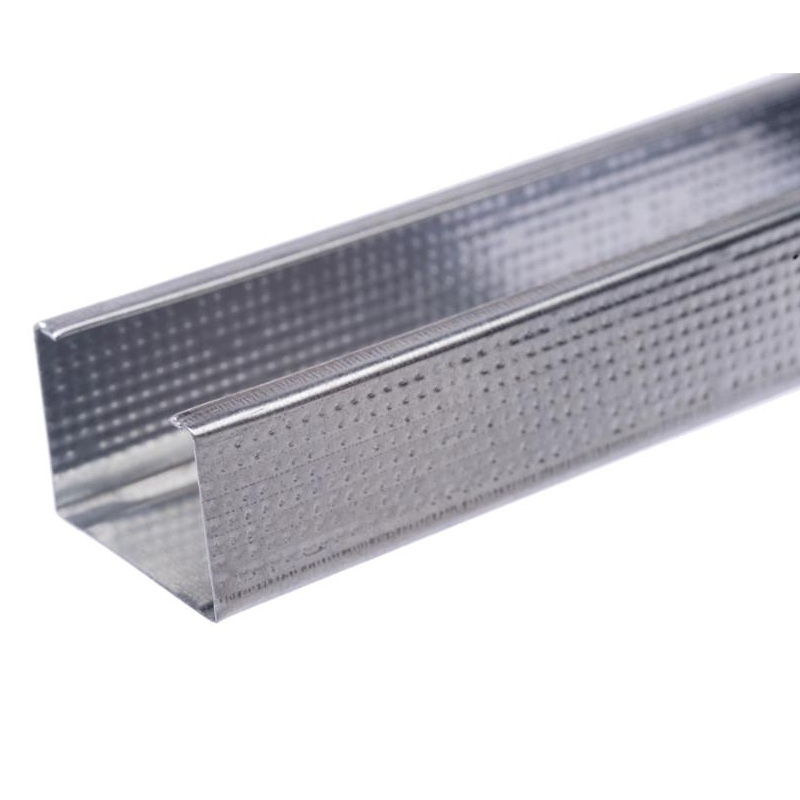
Firstly, let's take a look at the light steel keel ceiling. Light steel keel suspended ceiling is a ceiling system mainly made of metal, with a framework composed of light steel keel and a surface covered with gypsum board or other decorative panels. The advantage of light steel keel suspended ceiling is that it is sturdy and durable, and can withstand large loads. Due to the high strength and stability of light steel keel, the suspended ceiling is not easily deformed or damaged. In addition, the light steel keel ceiling also has properties such as fire resistance, moisture resistance, and corrosion resistance, which are suitable for decoration needs under various environmental conditions.
However, there are also some shortcomings in the light steel keel suspended ceiling. Firstly, its installation process is relatively complex and requires professional technology and tools, resulting in high construction costs. Secondly, the sound insulation effect of the light steel keel ceiling is relatively poor, which may not meet the needs of some places with high requirements for sound control. In addition, due to the high material cost of light steel keel ceiling, its price is relatively high compared to other ceiling materials.
Next, let's take a look at the gypsum board ceiling. Gypsum board ceiling is a type of ceiling system mainly made of gypsum board, and its surface can be decorated with various treatments, such as spraying, pasting wallpaper, etc. The advantage of gypsum board ceiling is that it is aesthetically pleasing and can be customized according to different decoration styles. In addition, the gypsum board ceiling also has good sound insulation and thermal insulation performance, which can effectively improve the indoor environment.
However, gypsum board ceilings may be slightly less sturdy than light steel keel ceilings. Due to the relatively low strength of gypsum board itself, the load-bearing capacity of the ceiling is limited. When subjected to large loads or external forces, gypsum board ceilings may experience deformation or damage. In addition, the fire resistance performance of gypsum board ceiling is relatively low, and fire prevention measures need to be taken.
In summary, both light steel keel ceiling and gypsum board ceiling have their own advantages and disadvantages. In terms of firmness, light steel keel suspended ceilings have high strength and stability, and are suitable for places that need to withstand large loads; Gypsum board ceilings, on the other hand, are relatively weak and suitable for places with high requirements for aesthetics and sound insulation performance. When selecting ceiling materials, it is necessary to comprehensively consider the specific decoration needs and site characteristics.
In practical applications, we can choose suitable ceiling materials based on the functionality and usage needs of the location. For example, in places such as shopping malls and offices that need to withstand large loads, light steel keel ceilings can be chosen to ensure their stability and safety; In places such as homes and hotels that value aesthetics and comfort, gypsum board ceilings can be chosen to create a more warm and comfortable indoor environment.
In addition, it should be noted that the firmness of the ceiling not only depends on the material itself, but also closely related to construction quality and maintenance management. Therefore, when selecting ceiling materials, in addition to considering their performance characteristics, it is also necessary to choose a professional construction team and regularly maintain and manage them to ensure the long-term use effect and safety of the ceiling.
In summary, both light steel keel suspended ceiling and gypsum board suspended ceiling have their own advantages and disadvantages. Choosing which type of suspended ceiling is more sturdy requires comprehensive consideration based on specific needs and conditions. In the selection process, we need to fully understand the performance characteristics and application scope of various ceiling materials, and make choices based on actual situations. At the same time, it is also necessary to pay attention to construction quality and maintenance management to ensure the long-term use effect and safety of the suspended ceiling.
Firstly, let's take a look at the light steel keel ceiling. Light steel keel suspended ceiling is a ceiling system mainly made of metal, with a framework composed of light steel keel and a surface covered with gypsum board or other decorative panels. The advantage of light steel keel suspended ceiling is that it is sturdy and durable, and can withstand large loads. Due to the high strength and stability of light steel keel, the suspended ceiling is not easily deformed or damaged. In addition, the light steel keel ceiling also has properties such as fire resistance, moisture resistance, and corrosion resistance, which are suitable for decoration needs under various environmental conditions.
However, there are also some shortcomings in the light steel keel suspended ceiling. Firstly, its installation process is relatively complex and requires professional technology and tools, resulting in high construction costs. Secondly, the sound insulation effect of the light steel keel ceiling is relatively poor, which may not meet the needs of some places with high requirements for sound control. In addition, due to the high material cost of light steel keel ceiling, its price is relatively high compared to other ceiling materials.
Next, let's take a look at the gypsum board ceiling. Gypsum board ceiling is a type of ceiling system mainly made of gypsum board, and its surface can be decorated with various treatments, such as spraying, pasting wallpaper, etc. The advantage of gypsum board ceiling is that it is aesthetically pleasing and can be customized according to different decoration styles. In addition, the gypsum board ceiling also has good sound insulation and thermal insulation performance, which can effectively improve the indoor environment.
However, gypsum board ceilings may be slightly less sturdy than light steel keel ceilings. Due to the relatively low strength of gypsum board itself, the load-bearing capacity of the ceiling is limited. When subjected to large loads or external forces, gypsum board ceilings may experience deformation or damage. In addition, the fire resistance performance of gypsum board ceiling is relatively low, and fire prevention measures need to be taken.
In summary, both light steel keel ceiling and gypsum board ceiling have their own advantages and disadvantages. In terms of firmness, light steel keel suspended ceilings have high strength and stability, and are suitable for places that need to withstand large loads; Gypsum board ceilings, on the other hand, are relatively weak and suitable for places with high requirements for aesthetics and sound insulation performance. When selecting ceiling materials, it is necessary to comprehensively consider the specific decoration needs and site characteristics.
In practical applications, we can choose suitable ceiling materials based on the functionality and usage needs of the location. For example, in places such as shopping malls and offices that need to withstand large loads, light steel keel ceilings can be chosen to ensure their stability and safety; In places such as homes and hotels that value aesthetics and comfort, gypsum board ceilings can be chosen to create a more warm and comfortable indoor environment.
In addition, it should be noted that the firmness of the ceiling not only depends on the material itself, but also closely related to construction quality and maintenance management. Therefore, when selecting ceiling materials, in addition to considering their performance characteristics, it is also necessary to choose a professional construction team and regularly maintain and manage them to ensure the long-term use effect and safety of the ceiling.
In summary, both light steel keel suspended ceiling and gypsum board suspended ceiling have their own advantages and disadvantages. Choosing which type of suspended ceiling is more sturdy requires comprehensive consideration based on specific needs and conditions. In the selection process, we need to fully understand the performance characteristics and application scope of various ceiling materials, and make choices based on actual situations. At the same time, it is also necessary to pay attention to construction quality and maintenance management to ensure the long-term use effect and safety of the suspended ceiling.
What is the standard spacing of metal furring for wall?
Hat Furring Channel Ceiling Spans
Related Article

Ceiling wall angle, also known as perimeter angle or L-angle, is an indispensable L-shaped metal profile for suspended drywall ceiling systems. Roll-formed from cold-rolled galvanized steel, ceiling wall angle is fixed along the wall perimeter to support the ends of main channels and furring channels,
Ceiling Wall Angle – Galvanized L-Shaped Perimeter Trim for Suspended Drywall Ceilings
Galvanized steel profiles are the foundational metal framing components widely used in modern interior construction. Roll-formed from cold-rolled steel coated with protective zinc layer, galvanized steel profiles cover a full range of shapes including C studs, U tracks, omega channels,
Galvanized Steel Profiles – Reliable Cold Rolled Framing for Drywall Walls and Ceilings

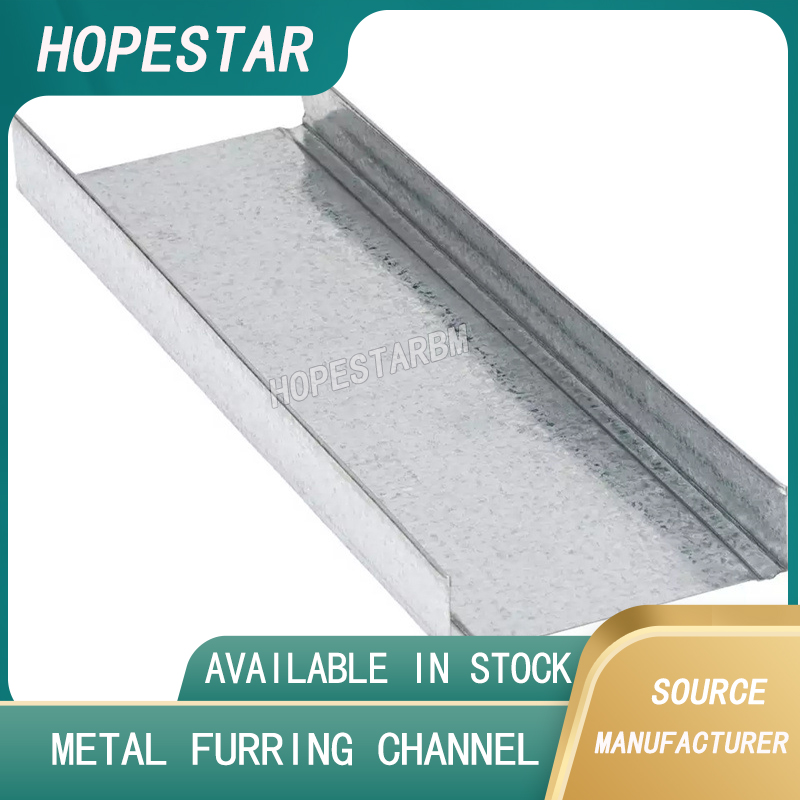
Metal furring channel for ceiling is a vital secondary framing component widely used in suspended ceiling and drywall ceiling systems. Roll-formed from cold-rolled galvanized steel, this lightweight metal profile works together with main channels, hangers and wall angles to create a level,
Metal Furring Channel for Ceiling – Galvanized Secondary Framing for Suspended Drywall Ceilings

Metal omega channel, also widely called omega furring channel or hat channel, is an indispensable secondary metal framing profile for modern suspended ceilings and drywall wall furring systems. Named after its distinctive Ω shape, this profile is roll-formed from cold-rolled galvanized steel
Metal Omega Channel – Galvanized Omega Furring Channel for Drywall Ceiling and Wall Framing