
Metal Drywall Stud: Steel Framing
2024-06-11
Metal drywall studs, also known as steel framing, have become increasingly popular in the construction industry due to their numerous advantages over traditional wooden framing systems. These metal studs are designed to provide a strong and stable framework for interior walls, ceilings, and partitions, and they are particularly well-suited for use in commercial and industrial settings.
The primary benefit of using metal drywall studs is their exceptional strength and durability. Steel, the primary material used in these studs, is inherently stronger than wood, making it ideal for supporting heavy loads and resisting deformation over time. This durability ensures that the framing system will maintain its integrity for years, even in high-traffic areas or environments with significant temperature fluctuations.
Another advantage of metal drywall studs is their resistance to fire and moisture. Unlike wood, which can easily rot or warp when exposed to moisture or flame, steel framing remains structurally intact under these conditions. This makes it a safer choice for buildings in areas prone to humidity or fire hazards.
The ease of installation is another key factor that contributes to the popularity of metal drywall studs. These studs come in pre-cut lengths and can be easily assembled using screws or nails, significantly reducing the time and labor required for installation. This not only saves money but also allows for faster completion of construction projects.
Furthermore, metal drywall studs offer excellent thermal insulation properties. The metal material effectively resists heat transfer, helping to maintain a comfortable indoor temperature and reduce energy costs. This is particularly beneficial in commercial buildings where energy efficiency is a critical consideration.
In addition to their practical benefits, metal drywall studs also offer design flexibility. They can be easily cut and bent to fit various wall configurations and can accommodate a range of finishes, including drywall, plaster, and paneling. This versatility allows for a wide range of design options, enabling architects and designers to create unique and visually appealing interior spaces.
Moreover, metal drywall studs contribute to the overall sustainability of construction projects. Steel is a recyclable material, meaning that used studs can be easily repurposed or recycled at the end of a building's lifespan, reducing waste and environmental impact.
However, it's worth noting that while metal drywall studs offer numerous advantages, they may not be suitable for every application. In some cases, wooden framing may be more cost-effective or traditional in appearance. Therefore, it's important to carefully consider the specific requirements and goals of a project before deciding on the best framing system.
Overall, metal drywall studs provide a robust and reliable framing solution for a wide range of construction projects. Their strength, durability, fire resistance, ease of installation, thermal insulation properties, design flexibility, and sustainability make them an excellent choice for commercial and industrial applications. As the construction industry continues to evolve, metal drywall studs are likely to become an increasingly popular framing option.
Furring channel and main channel
What metal is used for drywall?
Related Article

Ceiling wall angle, also known as perimeter angle or L-angle, is an indispensable L-shaped metal profile for suspended drywall ceiling systems. Roll-formed from cold-rolled galvanized steel, ceiling wall angle is fixed along the wall perimeter to support the ends of main channels and furring channels,
Ceiling Wall Angle – Galvanized L-Shaped Perimeter Trim for Suspended Drywall Ceilings
Galvanized steel profiles are the foundational metal framing components widely used in modern interior construction. Roll-formed from cold-rolled steel coated with protective zinc layer, galvanized steel profiles cover a full range of shapes including C studs, U tracks, omega channels,
Galvanized Steel Profiles – Reliable Cold Rolled Framing for Drywall Walls and Ceilings

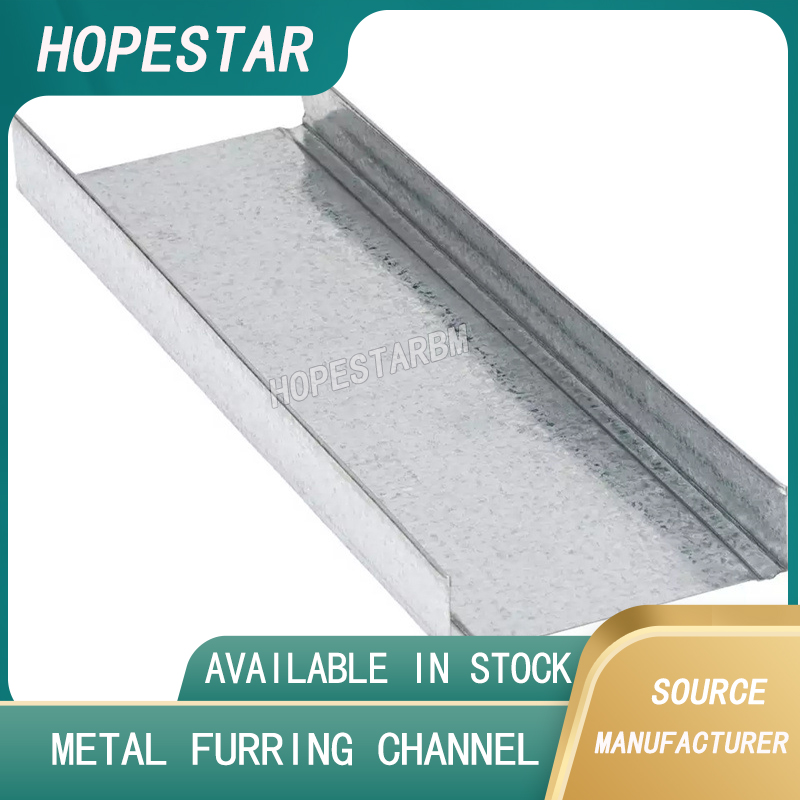
Metal furring channel for ceiling is a vital secondary framing component widely used in suspended ceiling and drywall ceiling systems. Roll-formed from cold-rolled galvanized steel, this lightweight metal profile works together with main channels, hangers and wall angles to create a level,
Metal Furring Channel for Ceiling – Galvanized Secondary Framing for Suspended Drywall Ceilings

Metal omega channel, also widely called omega furring channel or hat channel, is an indispensable secondary metal framing profile for modern suspended ceilings and drywall wall furring systems. Named after its distinctive Ω shape, this profile is roll-formed from cold-rolled galvanized steel
Metal Omega Channel – Galvanized Omega Furring Channel for Drywall Ceiling and Wall Framing