
What metal is used for drywall?
2024-06-11
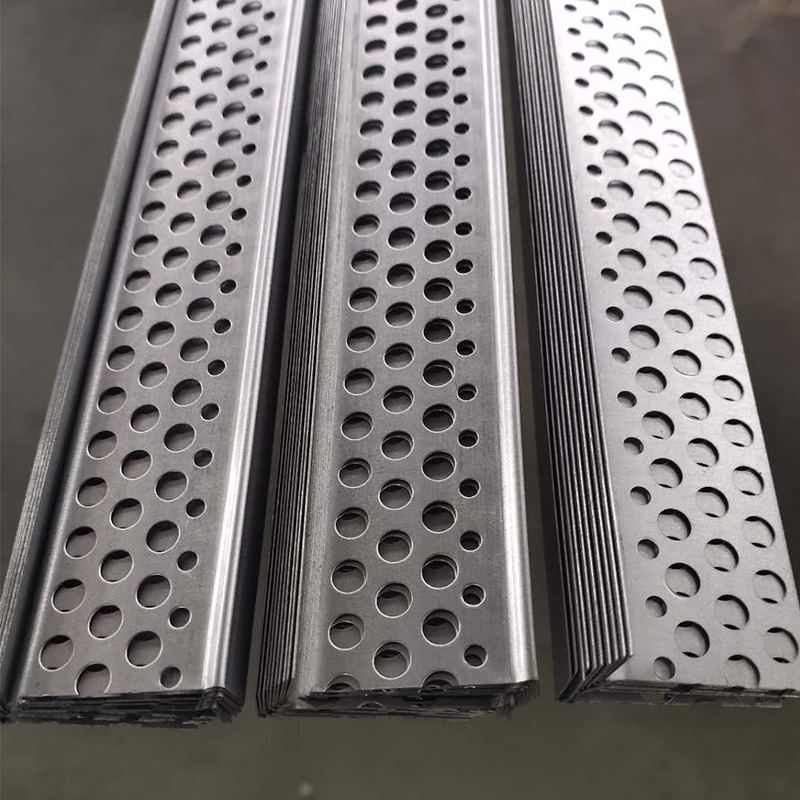
Dry wall, as a lightweight interior wall panel widely used in the construction industry, plays a crucial role in modern architecture. As for the material selection of dry walls, metal materials play an indispensable role. Although the specific material composition of dry walls may vary depending on different manufacturers and uses, the excellent performance of metal materials makes them highly favored in the production of dry walls.
Firstly, let's take a look at why metal materials are suitable for the production of dry walls. Metal materials have excellent strength, hardness, and durability, which enable dry walls to resist external pressure, deformation, and damage. At the same time, the corrosion resistance of metal materials also makes them perform well in humid or variable environments, ensuring the long-term stability and reliability of dry walls.
In the specific selection of metal materials, steel is one of the commonly used metal materials in dry wall production. Steel has excellent strength and plasticity, and can be processed and customized according to different design requirements. In addition, steel also has good fire resistance, which can effectively prevent the spread of fire and improve the safety of buildings.
In addition to steel, aluminum alloy is also a commonly used metal material in dry wall production. Aluminum alloy has the characteristics of lightweight, high strength, and corrosion resistance, which allows dry walls to maintain excellent performance while also reducing the overall weight of buildings. In addition, the surface treatment process of aluminum alloy is also very mature, which can produce various beautiful and durable dry wall products.
Of course, in addition to metal materials, the production of dry walls may also involve other materials, such as gypsum board, fiberboard, etc. These materials are usually combined with metal materials to form the overall structure of the dry wall. For example, metal frames can be combined with gypsum or fiberboard to form a sturdy and stable dry wall structure.
So, how are these metal materials applied in the production of dry walls? During the manufacturing process, metal materials are usually processed into frames or supporting structures to provide a sturdy framework for dry walls. At the same time, metal materials can also serve as connectors or fasteners to tightly connect the various parts of the dry wall, ensuring its stability and overall performance.
With the development of technology, new metal materials and processes are constantly emerging, providing more possibilities for the production of dry walls. For example, some new metal materials have better environmental performance and recyclability, which meets the requirements of modern architecture for sustainable development. In addition, some advanced processing technologies and processes have also made the processing of metal materials more precise and efficient, further improving the quality and performance of dry walls.
Overall, metal materials play a crucial role in the production of dry walls. They provide a stable framework and support for dry walls with excellent strength, hardness, corrosion resistance, and other properties, ensuring the stability and reliability of dry walls during long-term use. At the same time, with the advancement of technology and the continuous emergence of new materials, the application of metal materials in dry wall production will also be more extensive and in-depth.
Firstly, let's take a look at why metal materials are suitable for the production of dry walls. Metal materials have excellent strength, hardness, and durability, which enable dry walls to resist external pressure, deformation, and damage. At the same time, the corrosion resistance of metal materials also makes them perform well in humid or variable environments, ensuring the long-term stability and reliability of dry walls.
In the specific selection of metal materials, steel is one of the commonly used metal materials in dry wall production. Steel has excellent strength and plasticity, and can be processed and customized according to different design requirements. In addition, steel also has good fire resistance, which can effectively prevent the spread of fire and improve the safety of buildings.
In addition to steel, aluminum alloy is also a commonly used metal material in dry wall production. Aluminum alloy has the characteristics of lightweight, high strength, and corrosion resistance, which allows dry walls to maintain excellent performance while also reducing the overall weight of buildings. In addition, the surface treatment process of aluminum alloy is also very mature, which can produce various beautiful and durable dry wall products.
Of course, in addition to metal materials, the production of dry walls may also involve other materials, such as gypsum board, fiberboard, etc. These materials are usually combined with metal materials to form the overall structure of the dry wall. For example, metal frames can be combined with gypsum or fiberboard to form a sturdy and stable dry wall structure.
So, how are these metal materials applied in the production of dry walls? During the manufacturing process, metal materials are usually processed into frames or supporting structures to provide a sturdy framework for dry walls. At the same time, metal materials can also serve as connectors or fasteners to tightly connect the various parts of the dry wall, ensuring its stability and overall performance.
With the development of technology, new metal materials and processes are constantly emerging, providing more possibilities for the production of dry walls. For example, some new metal materials have better environmental performance and recyclability, which meets the requirements of modern architecture for sustainable development. In addition, some advanced processing technologies and processes have also made the processing of metal materials more precise and efficient, further improving the quality and performance of dry walls.
Overall, metal materials play a crucial role in the production of dry walls. They provide a stable framework and support for dry walls with excellent strength, hardness, corrosion resistance, and other properties, ensuring the stability and reliability of dry walls during long-term use. At the same time, with the advancement of technology and the continuous emergence of new materials, the application of metal materials in dry wall production will also be more extensive and in-depth.
Metal Drywall Stud: Steel Framing
What is the standard size of light steel keel ceiling?
Related Article

Ceiling wall angle, also known as perimeter angle or L-angle, is an indispensable L-shaped metal profile for suspended drywall ceiling systems. Roll-formed from cold-rolled galvanized steel, ceiling wall angle is fixed along the wall perimeter to support the ends of main channels and furring channels,
Ceiling Wall Angle – Galvanized L-Shaped Perimeter Trim for Suspended Drywall Ceilings
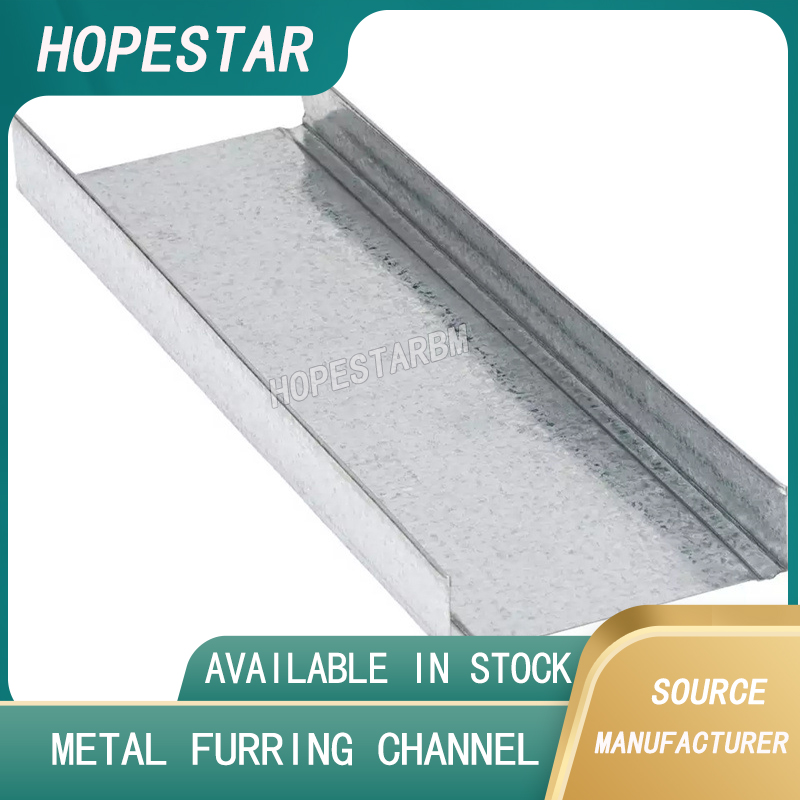
Galvanized steel profiles are the foundational metal framing components widely used in modern interior construction. Roll-formed from cold-rolled steel coated with protective zinc layer, galvanized steel profiles cover a full range of shapes including C studs, U tracks, omega channels,
Galvanized Steel Profiles – Reliable Cold Rolled Framing for Drywall Walls and Ceilings

Metal furring channel for ceiling is a vital secondary framing component widely used in suspended ceiling and drywall ceiling systems. Roll-formed from cold-rolled galvanized steel, this lightweight metal profile works together with main channels, hangers and wall angles to create a level,
Metal Furring Channel for Ceiling – Galvanized Secondary Framing for Suspended Drywall Ceilings

Metal omega channel, also widely called omega furring channel or hat channel, is an indispensable secondary metal framing profile for modern suspended ceilings and drywall wall furring systems. Named after its distinctive Ω shape, this profile is roll-formed from cold-rolled galvanized steel
Metal Omega Channel – Galvanized Omega Furring Channel for Drywall Ceiling and Wall Framing