
What is the difference between a furring channel and a batten?
2024-06-06
In the construction and decoration industry, various materials and technologies are often involved, among which "furring channel" and "batten" are two commonly mentioned terms. Although they are all related to strengthening and supporting to some extent, they each have unique functions and application scenarios. This article aims to provide a detailed analysis of the differences between these two terms.
Firstly, let's take a look at the "furring channel". In the construction industry, furring channel usually refers to a metal or wooden strip board used to fix or support other materials. It is often used as a support structure on walls or ceilings for the installation of other materials, such as gypsum boards, tiles, or decorative panels. By installing the furring channel, we can ensure that these materials are firmly fixed to the wall, avoiding looseness or deformation caused by gravity or other factors. In addition, the furring channel can also be used to adjust the flatness of the wall, making the installed materials more beautiful and neat.
Next, let's explore the concept of "batten". Batten usually refers to a long strip of wooden or metal board, which is mainly used to strengthen and fix other structures. In carpentry or construction engineering, batten is often used to enhance the stability of door and window frames, walls, or other structural components. In addition, it can also be used to cover uneven surfaces, such as cracks or defects on walls or ceilings, thereby improving the overall aesthetics. Compared to furring channels, batten is more commonly used to directly strengthen the structure itself rather than as a support structure for other materials.
From the perspective of functionality and application scenarios, there are significant differences between Furring Channel and Batten. Furring channels are mainly used to provide support and fixation for other materials, while trays are more commonly used to strengthen and cover the structure itself. In addition, they may also differ in material and shape. For example, a furring channel is usually made of metal or wooden slats, while a batten may be a long strip structure made of wood, metal, or other materials.
When using these two materials, we need to choose appropriate materials based on specific application scenarios and needs. If it is necessary to provide support and fixation for other materials on the wall or ceiling, then furring channel may be a better choice. If we need to enhance the stability of structures such as door and window frames or walls, or cover uneven surfaces, then batten may be more suitable for our needs.
In summary, although furring channels and battens play important roles in the construction and decoration industries, they each have unique functions and application scenarios. Understanding the differences between them helps us make the right choices in practical engineering, ensuring the smooth progress of the project and ensuring quality assurance.
Firstly, let's take a look at the "furring channel". In the construction industry, furring channel usually refers to a metal or wooden strip board used to fix or support other materials. It is often used as a support structure on walls or ceilings for the installation of other materials, such as gypsum boards, tiles, or decorative panels. By installing the furring channel, we can ensure that these materials are firmly fixed to the wall, avoiding looseness or deformation caused by gravity or other factors. In addition, the furring channel can also be used to adjust the flatness of the wall, making the installed materials more beautiful and neat.
Next, let's explore the concept of "batten". Batten usually refers to a long strip of wooden or metal board, which is mainly used to strengthen and fix other structures. In carpentry or construction engineering, batten is often used to enhance the stability of door and window frames, walls, or other structural components. In addition, it can also be used to cover uneven surfaces, such as cracks or defects on walls or ceilings, thereby improving the overall aesthetics. Compared to furring channels, batten is more commonly used to directly strengthen the structure itself rather than as a support structure for other materials.
From the perspective of functionality and application scenarios, there are significant differences between Furring Channel and Batten. Furring channels are mainly used to provide support and fixation for other materials, while trays are more commonly used to strengthen and cover the structure itself. In addition, they may also differ in material and shape. For example, a furring channel is usually made of metal or wooden slats, while a batten may be a long strip structure made of wood, metal, or other materials.
When using these two materials, we need to choose appropriate materials based on specific application scenarios and needs. If it is necessary to provide support and fixation for other materials on the wall or ceiling, then furring channel may be a better choice. If we need to enhance the stability of structures such as door and window frames or walls, or cover uneven surfaces, then batten may be more suitable for our needs.
In summary, although furring channels and battens play important roles in the construction and decoration industries, they each have unique functions and application scenarios. Understanding the differences between them helps us make the right choices in practical engineering, ensuring the smooth progress of the project and ensuring quality assurance.
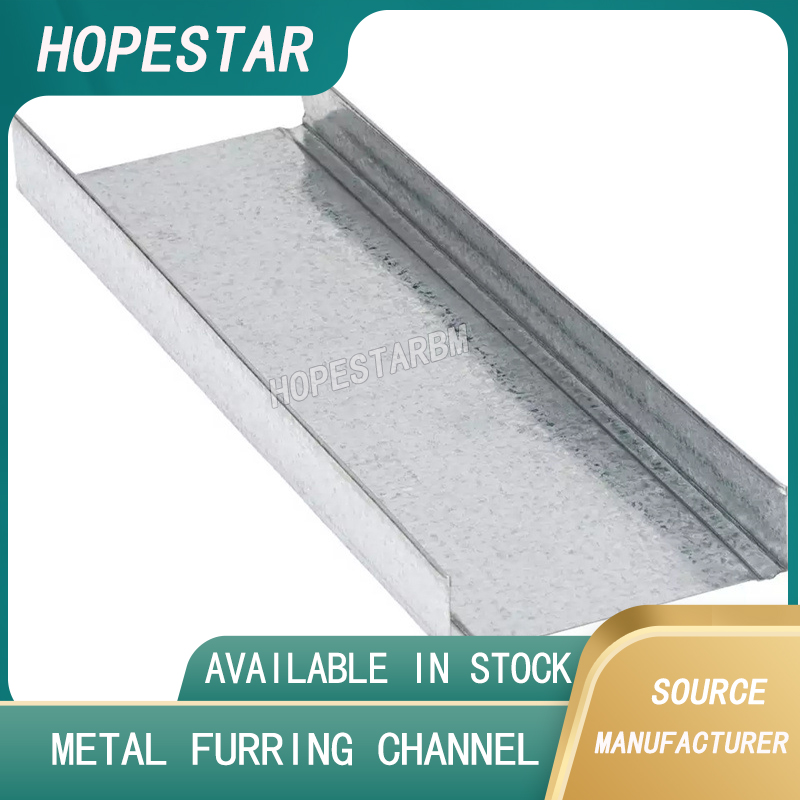
7/8 in. x 12 ft. 25 Gauge Galvanized Steel Furring Channel
Is a furring channel vertical or horizontal?
Related Article

Ceiling wall angle, also known as perimeter angle or L-angle, is an indispensable L-shaped metal profile for suspended drywall ceiling systems. Roll-formed from cold-rolled galvanized steel, ceiling wall angle is fixed along the wall perimeter to support the ends of main channels and furring channels,
Ceiling Wall Angle – Galvanized L-Shaped Perimeter Trim for Suspended Drywall Ceilings
Galvanized steel profiles are the foundational metal framing components widely used in modern interior construction. Roll-formed from cold-rolled steel coated with protective zinc layer, galvanized steel profiles cover a full range of shapes including C studs, U tracks, omega channels,
Galvanized Steel Profiles – Reliable Cold Rolled Framing for Drywall Walls and Ceilings

Metal furring channel for ceiling is a vital secondary framing component widely used in suspended ceiling and drywall ceiling systems. Roll-formed from cold-rolled galvanized steel, this lightweight metal profile works together with main channels, hangers and wall angles to create a level,
Metal Furring Channel for Ceiling – Galvanized Secondary Framing for Suspended Drywall Ceilings

Metal omega channel, also widely called omega furring channel or hat channel, is an indispensable secondary metal framing profile for modern suspended ceilings and drywall wall furring systems. Named after its distinctive Ω shape, this profile is roll-formed from cold-rolled galvanized steel
Metal Omega Channel – Galvanized Omega Furring Channel for Drywall Ceiling and Wall Framing