
Is a furring channel vertical or horizontal?
2024-06-06
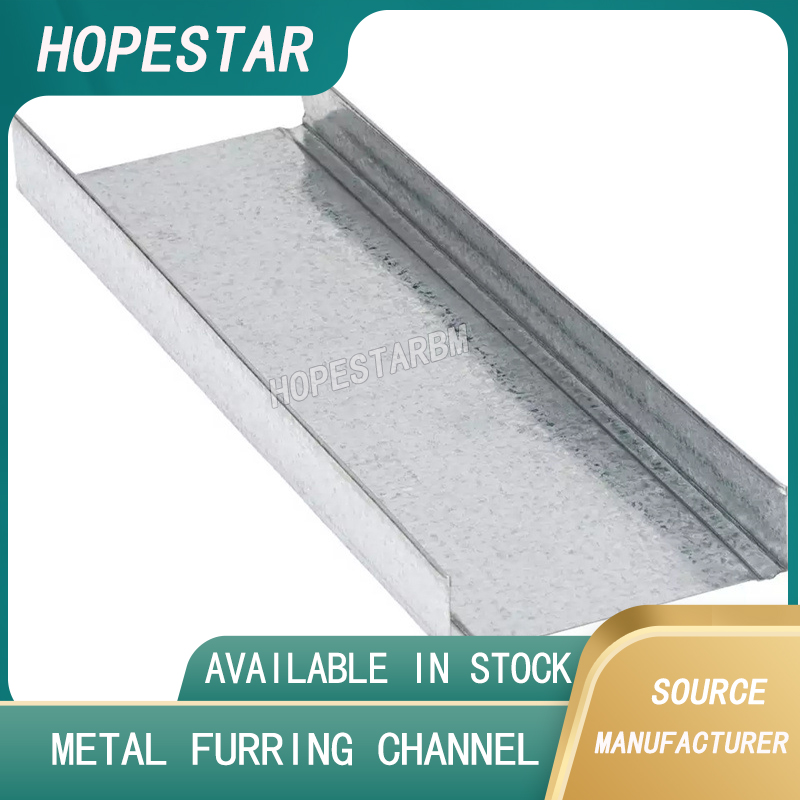
When discussing the question of whether "furring channel" is vertical or horizontal, we need to first understand the meaning of this term and its common uses in construction and industrial applications. Furring channel, A metal or wooden frame that fixes gypsum board or other decorative materials on walls or ceilings, and its installation direction can vary depending on the application situation and design requirements.
In most cases, the installation direction of a furring channel depends on the material it needs to support and the required stability. In wall decoration, it is usually installed horizontally to provide horizontal support. This installation method helps to evenly distribute the weight of gypsum board or other materials, ensuring the flatness and stability of the wall. On the other hand, in ceiling decoration, due to the effect of gravity, the furring channel may be installed vertically to provide better vertical support and prevent the sagging or deformation of decorative materials.
However, it is worth noting that this is not an absolute rule. In certain specific application scenarios, such as requiring special decorative effects or structural support, the installation direction of the furring channel may change. Designers and architects may determine their installation direction based on specific needs.
In addition, we also need to consider the characteristics of building materials and installation methods. For example, some lightweight decorative materials may not require such strong support, so the installation direction of the furring channel may be more flexible. Some heavy materials may require stronger support structures, which may affect the installation direction of the furring channel.
Overall, there is no definitive answer to the question of whether the furring channel is vertical or horizontal. It depends on the specific application scenario, design requirements, and the characteristics of the materials used. Therefore, when installing the furring channel, we should make a decision based on the specific situation to ensure that it can provide sufficient support and stability, while meeting the design requirements.
In addition, we also need to note that with the development of building technology and materials science, new types of building materials and installation methods are constantly emerging, which may affect the installation methods and directions of funding channels. Therefore, it is very important for architects, designers, and construction workers to understand and master the latest technologies and materials.
Finally, I would like to emphasize that although the installation direction of the furring channel may vary depending on the specific situation, we need to ensure its installation quality no matter how it is installed. The correct installation method and high-quality materials are key to ensuring the effectiveness and stability of wall or ceiling decoration. Therefore, when installing the fur channel, we should follow the relevant installation specifications and requirements to ensure that every step is correct and error free.
In summary, we can draw the following conclusion: the installation direction of the furring channel is not absolute, but depends on the specific application scenario, design requirements, and the characteristics of the materials used. We should make decisions based on specific circumstances and ensure the installation quality to achieve the best decorative effect and stability.
With the advancement of technology and the development of the construction industry, we look forward to seeing more innovative building technologies and materials emerge, bringing more convenience and beauty to our lives. At the same time, we also hope that every person engaged in the construction industry can continuously learn and improve their skills to better meet the needs and development of society.
In most cases, the installation direction of a furring channel depends on the material it needs to support and the required stability. In wall decoration, it is usually installed horizontally to provide horizontal support. This installation method helps to evenly distribute the weight of gypsum board or other materials, ensuring the flatness and stability of the wall. On the other hand, in ceiling decoration, due to the effect of gravity, the furring channel may be installed vertically to provide better vertical support and prevent the sagging or deformation of decorative materials.
However, it is worth noting that this is not an absolute rule. In certain specific application scenarios, such as requiring special decorative effects or structural support, the installation direction of the furring channel may change. Designers and architects may determine their installation direction based on specific needs.
In addition, we also need to consider the characteristics of building materials and installation methods. For example, some lightweight decorative materials may not require such strong support, so the installation direction of the furring channel may be more flexible. Some heavy materials may require stronger support structures, which may affect the installation direction of the furring channel.
Overall, there is no definitive answer to the question of whether the furring channel is vertical or horizontal. It depends on the specific application scenario, design requirements, and the characteristics of the materials used. Therefore, when installing the furring channel, we should make a decision based on the specific situation to ensure that it can provide sufficient support and stability, while meeting the design requirements.
In addition, we also need to note that with the development of building technology and materials science, new types of building materials and installation methods are constantly emerging, which may affect the installation methods and directions of funding channels. Therefore, it is very important for architects, designers, and construction workers to understand and master the latest technologies and materials.
Finally, I would like to emphasize that although the installation direction of the furring channel may vary depending on the specific situation, we need to ensure its installation quality no matter how it is installed. The correct installation method and high-quality materials are key to ensuring the effectiveness and stability of wall or ceiling decoration. Therefore, when installing the fur channel, we should follow the relevant installation specifications and requirements to ensure that every step is correct and error free.
In summary, we can draw the following conclusion: the installation direction of the furring channel is not absolute, but depends on the specific application scenario, design requirements, and the characteristics of the materials used. We should make decisions based on specific circumstances and ensure the installation quality to achieve the best decorative effect and stability.
With the advancement of technology and the development of the construction industry, we look forward to seeing more innovative building technologies and materials emerge, bringing more convenience and beauty to our lives. At the same time, we also hope that every person engaged in the construction industry can continuously learn and improve their skills to better meet the needs and development of society.
What is the difference between a furring channel and a batten?
c channel furring introduce
Related Article

Ceiling wall angle, also known as perimeter angle or L-angle, is an indispensable L-shaped metal profile for suspended drywall ceiling systems. Roll-formed from cold-rolled galvanized steel, ceiling wall angle is fixed along the wall perimeter to support the ends of main channels and furring channels,
Ceiling Wall Angle – Galvanized L-Shaped Perimeter Trim for Suspended Drywall Ceilings
Galvanized steel profiles are the foundational metal framing components widely used in modern interior construction. Roll-formed from cold-rolled steel coated with protective zinc layer, galvanized steel profiles cover a full range of shapes including C studs, U tracks, omega channels,
Galvanized Steel Profiles – Reliable Cold Rolled Framing for Drywall Walls and Ceilings

Metal furring channel for ceiling is a vital secondary framing component widely used in suspended ceiling and drywall ceiling systems. Roll-formed from cold-rolled galvanized steel, this lightweight metal profile works together with main channels, hangers and wall angles to create a level,
Metal Furring Channel for Ceiling – Galvanized Secondary Framing for Suspended Drywall Ceilings

Metal omega channel, also widely called omega furring channel or hat channel, is an indispensable secondary metal framing profile for modern suspended ceilings and drywall wall furring systems. Named after its distinctive Ω shape, this profile is roll-formed from cold-rolled galvanized steel
Metal Omega Channel – Galvanized Omega Furring Channel for Drywall Ceiling and Wall Framing