
What is the channel spacing for metal furring?
2024-06-05
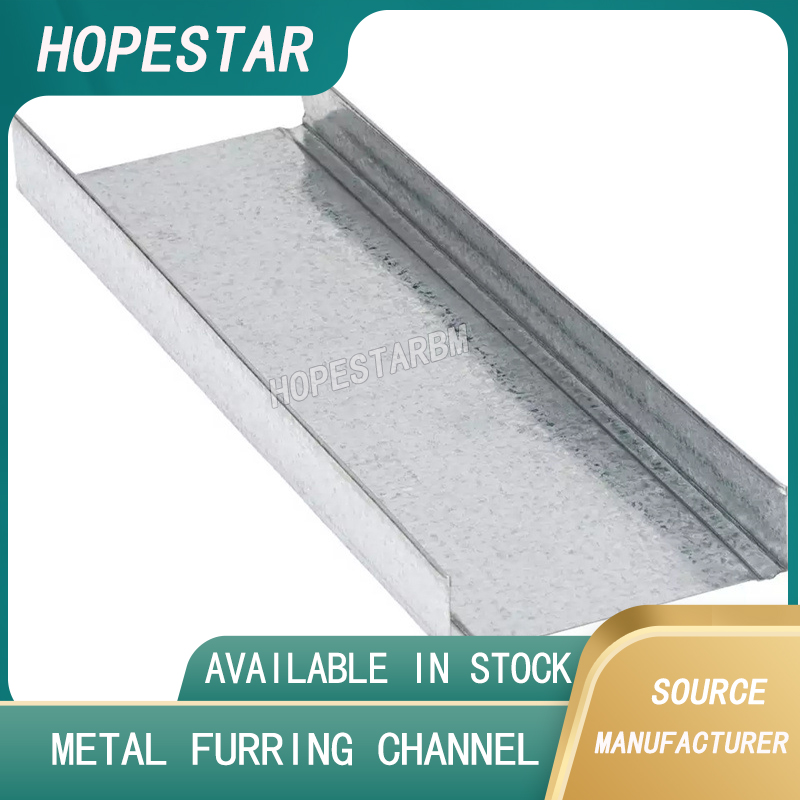
The channel spacing for metal furring, also known as metal framing or metal stud framing, is a crucial aspect of construction that involves the use of metal channels or studs to create a framework for walls, ceilings, and other structural elements. This spacing determines the distance between adjacent metal channels and is crucial for ensuring the structural integrity, safety, and functionality of the construction project.
In the context of metal furring, channel spacing refers to the distance between the centers of adjacent metal channels. This spacing is typically measured in inches or millimeters and is determined based on a variety of factors, including the intended use of the framing, the weight and type of materials to be supported, and the local building codes and standards.
The most common channel spacing for metal furring ranges from 12 to 24 inches on center. However, it is important to note that these are general guidelines and the actual spacing may vary depending on the specific requirements of the project. For example, in areas where heavier loads or greater structural support is required, the channel spacing may need to be closer together to provide sufficient strength and stability.
When determining the appropriate channel spacing for a metal furring system, it is important to consult with a qualified structural engineer or building designer. They can evaluate the specific needs of the project and recommend the appropriate spacing based on the weight of the materials, the type of framing being used, and the local building regulations.
In addition to considering the weight and type of materials, it is also important to take into account the type of metal furring system being used. Different systems have different load-bearing capabilities and may require different spacing configurations. Therefore, it is crucial to select a system that is suitable for the intended use and meets the requirements of the project.
Once the appropriate channel spacing has been determined, the metal furring system can be installed according to the manufacturer's instructions and local building codes. This typically involves attaching the metal channels to the structural elements of the building using fasteners or brackets. The channels are then aligned and spaced correctly to ensure a level and stable framing system.
Proper installation of metal furring with the correct channel spacing is essential for ensuring the structural integrity and safety of the construction project. It also helps to optimize the performance and efficiency of the framing system, reducing the potential for sagging, deformation, or other issues that can arise from inadequate spacing.
In conclusion, the channel spacing for metal furring is a crucial aspect of construction that requires careful consideration and consultation with qualified professionals. By selecting the appropriate spacing based on the specific needs of the project and installing the metal furring system according to manufacturer's instructions and local building codes, you can ensure the safety, stability, and efficiency of your construction project.
hat channel home depot
What are Furring Channels For?
Related Article

Ceiling wall angle, also known as perimeter angle or L-angle, is an indispensable L-shaped metal profile for suspended drywall ceiling systems. Roll-formed from cold-rolled galvanized steel, ceiling wall angle is fixed along the wall perimeter to support the ends of main channels and furring channels,
Ceiling Wall Angle – Galvanized L-Shaped Perimeter Trim for Suspended Drywall Ceilings
Galvanized steel profiles are the foundational metal framing components widely used in modern interior construction. Roll-formed from cold-rolled steel coated with protective zinc layer, galvanized steel profiles cover a full range of shapes including C studs, U tracks, omega channels,
Galvanized Steel Profiles – Reliable Cold Rolled Framing for Drywall Walls and Ceilings

Metal furring channel for ceiling is a vital secondary framing component widely used in suspended ceiling and drywall ceiling systems. Roll-formed from cold-rolled galvanized steel, this lightweight metal profile works together with main channels, hangers and wall angles to create a level,
Metal Furring Channel for Ceiling – Galvanized Secondary Framing for Suspended Drywall Ceilings

Metal omega channel, also widely called omega furring channel or hat channel, is an indispensable secondary metal framing profile for modern suspended ceilings and drywall wall furring systems. Named after its distinctive Ω shape, this profile is roll-formed from cold-rolled galvanized steel
Metal Omega Channel – Galvanized Omega Furring Channel for Drywall Ceiling and Wall Framing