
What are Furring Channels For?
2024-06-05
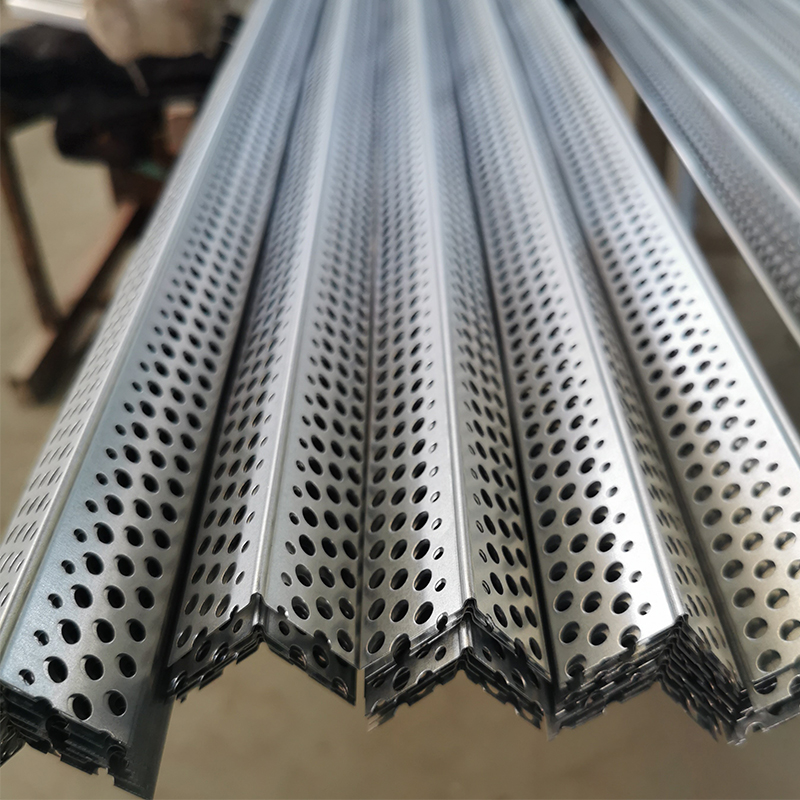
In the realm of construction and architecture, furring channels serve as a crucial element in various applications, providing a solid foundation for the installation of various materials and finishes. These channels, also known as furring strips or furring nails, are used to create a stable and level surface on which to affix materials such as drywall, tiles, or other finishes.
The primary function of furring channels is to provide a secure attachment point for these finishes, ensuring that they are securely fastened and level. They are often used in situations where the existing surface is not suitable for direct attachment, such as on concrete walls or ceilings. By creating a new, stable surface with the furring channels, construction workers can easily and securely install the desired finishes.
One common application of furring channels is in the installation of drywall. Drywall is a popular choice for interior walls due to its durability and ease of installation. However, attaching drywall directly to a concrete wall can be challenging due to the uneven surface and lack of suitable attachment points. By using furring channels, workers can create a level surface on which to affix the drywall panels, ensuring a smooth and professional finish.
Another application of furring channels is in tile installation. When installing tiles on a wall or ceiling, it is essential to have a flat and stable surface to ensure that the tiles adhere evenly and securely. Furring channels can be used to create this stable surface, providing a solid foundation for the tile adhesive and ensuring a long-lasting installation.
Furthermore, furring channels can also be used in exterior applications, such as attaching siding or cladding materials to a building's exterior. In these cases, the channels provide a weather-resistant barrier between the exterior materials and the building's structure, protecting it from moisture and other elements.
The installation of furring channels typically involves attaching them to the existing surface using nails, screws, or adhesives. Once the channels are securely in place, they create a grid-like structure that can be used to attach the desired finishes. This process allows for a great degree of flexibility and customization, as the spacing and configuration of the furring channels can be adjusted to suit the specific needs of the project.
In addition to their functional benefits, furring channels also contribute to the overall aesthetics of a construction project. By creating a smooth and level surface, they help to eliminate any bumps or imperfections that might detract from the finished appearance. This attention to detail can greatly enhance the overall look and feel of a space, making it more inviting and comfortable.
Overall, furring channels are a versatile and essential tool in the construction industry. They provide a solid foundation for the installation of various materials and finishes, ensuring a secure and professional result. Whether used in interior or exterior applications, furring channels contribute to the overall success of a construction project by enhancing its functionality, durability, and aesthetics.
What is the channel spacing for metal furring?
What is a metal furring channel for?
Related Article

Ceiling wall angle, also known as perimeter angle or L-angle, is an indispensable L-shaped metal profile for suspended drywall ceiling systems. Roll-formed from cold-rolled galvanized steel, ceiling wall angle is fixed along the wall perimeter to support the ends of main channels and furring channels,
Ceiling Wall Angle – Galvanized L-Shaped Perimeter Trim for Suspended Drywall Ceilings
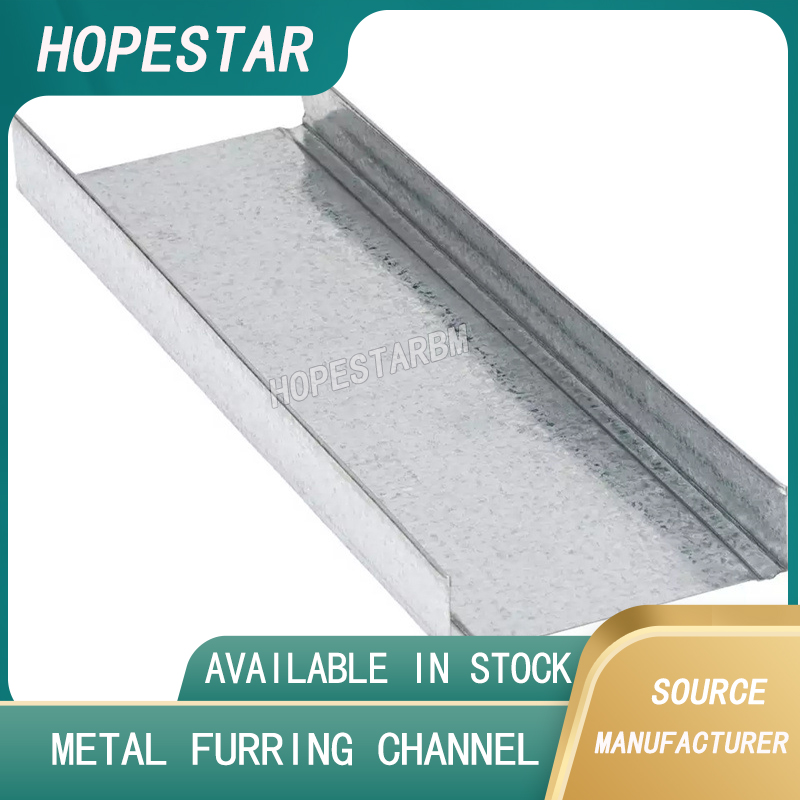
Galvanized steel profiles are the foundational metal framing components widely used in modern interior construction. Roll-formed from cold-rolled steel coated with protective zinc layer, galvanized steel profiles cover a full range of shapes including C studs, U tracks, omega channels,
Galvanized Steel Profiles – Reliable Cold Rolled Framing for Drywall Walls and Ceilings

Metal furring channel for ceiling is a vital secondary framing component widely used in suspended ceiling and drywall ceiling systems. Roll-formed from cold-rolled galvanized steel, this lightweight metal profile works together with main channels, hangers and wall angles to create a level,
Metal Furring Channel for Ceiling – Galvanized Secondary Framing for Suspended Drywall Ceilings

Metal omega channel, also widely called omega furring channel or hat channel, is an indispensable secondary metal framing profile for modern suspended ceilings and drywall wall furring systems. Named after its distinctive Ω shape, this profile is roll-formed from cold-rolled galvanized steel
Metal Omega Channel – Galvanized Omega Furring Channel for Drywall Ceiling and Wall Framing