
What is a metal furring channel for?
2024-06-05
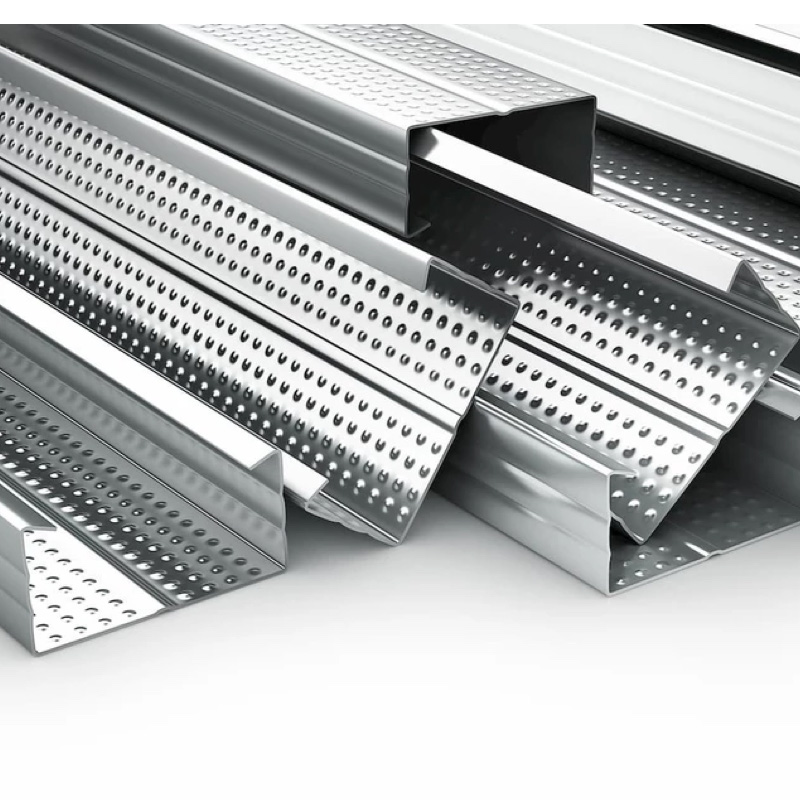
Metal furring channels are versatile and multipurpose construction elements that play a crucial role in various building and renovation projects. They are made of metal, typically galvanized steel, and are designed to provide support and framing for various construction materials. The furring channels are often used in drywall, ceiling, and roof systems to create a secure and stable framework for installing insulation, wiring, and other building components.
The primary function of a metal furring channel is to provide a level and straight surface for attaching drywall or other finishing materials. They act as spacers or runners, creating a gap between the wallboard and the structural wall, allowing for insulation and other materials to be installed. This spacing also provides room for wiring and plumbing to be easily installed and accessed.
Metal furring channels are also used to create a strong and rigid ceiling system. They are attached to the ceiling joists or rafters and provide a secure framework for suspending ceiling tiles or other decorative finishes. The channels can be adjusted to ensure a smooth and level ceiling surface, enhancing the overall appearance and functionality of the room.
In roofing systems, metal furring channels are used to create a stable base for roof decking or underlayment. They provide a level surface for the roofing materials to be installed, ensuring a watertight and durable roof. The channels also provide additional structural support, reducing the risk of sagging or damage to the roof deck.
Metal furring channels are often preferred over wooden furring strips due to their durability, resistance to rot and pests, and ease of installation. They are also more fire-resistant than wood, making them a safer choice for many construction projects. Additionally, metal furring channels are recyclable, contributing to sustainable building practices.
The installation of metal furring channels typically involves attaching them to the existing structural framework using screws or nails. The channels are then cut to the desired length and positioned to create the desired spacing and alignment. Once installed, they provide a secure and stable base for attaching the finishing materials or ceiling tiles.
The versatility and functionality of metal furring channels make them a valuable tool in various construction projects. Whether it's a new build, renovation, or retrofit project, metal furring channels provide a strong and reliable framework for creating a smooth, level, and functional interior space. They are an essential component of modern construction, ensuring the structural integrity and durability of buildings while enhancing their visual appeal.
What are Furring Channels For?
Drywall Furring Channel introduce
Related Article

Ceiling wall angle, also known as perimeter angle or L-angle, is an indispensable L-shaped metal profile for suspended drywall ceiling systems. Roll-formed from cold-rolled galvanized steel, ceiling wall angle is fixed along the wall perimeter to support the ends of main channels and furring channels,
Ceiling Wall Angle – Galvanized L-Shaped Perimeter Trim for Suspended Drywall Ceilings
Galvanized steel profiles are the foundational metal framing components widely used in modern interior construction. Roll-formed from cold-rolled steel coated with protective zinc layer, galvanized steel profiles cover a full range of shapes including C studs, U tracks, omega channels,
Galvanized Steel Profiles – Reliable Cold Rolled Framing for Drywall Walls and Ceilings

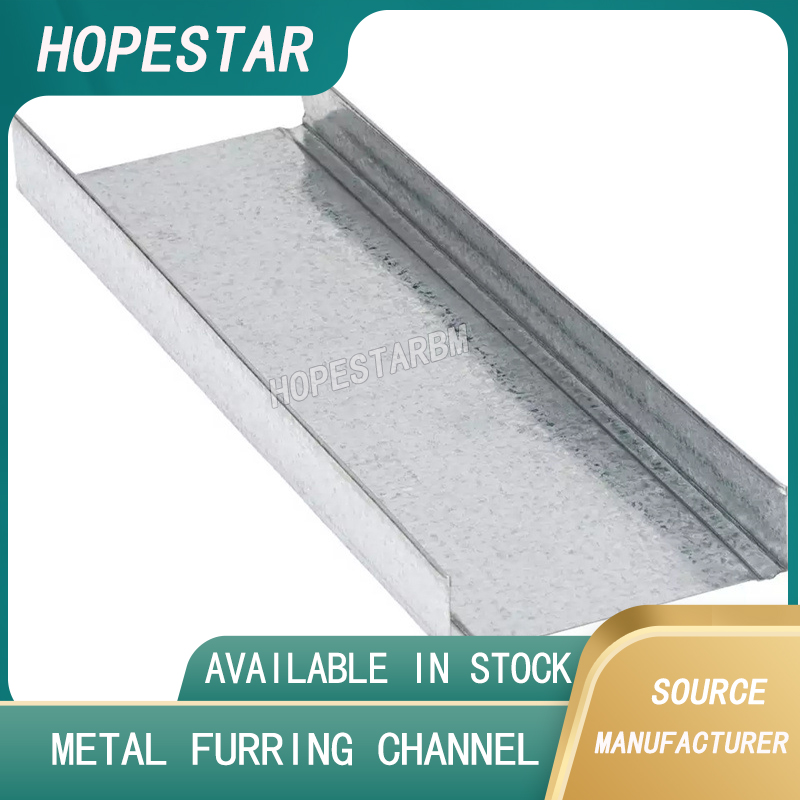
Metal furring channel for ceiling is a vital secondary framing component widely used in suspended ceiling and drywall ceiling systems. Roll-formed from cold-rolled galvanized steel, this lightweight metal profile works together with main channels, hangers and wall angles to create a level,
Metal Furring Channel for Ceiling – Galvanized Secondary Framing for Suspended Drywall Ceilings

Metal omega channel, also widely called omega furring channel or hat channel, is an indispensable secondary metal framing profile for modern suspended ceilings and drywall wall furring systems. Named after its distinctive Ω shape, this profile is roll-formed from cold-rolled galvanized steel
Metal Omega Channel – Galvanized Omega Furring Channel for Drywall Ceiling and Wall Framing