
What material is commonly used to make Australian light steel keel?
2024-06-04
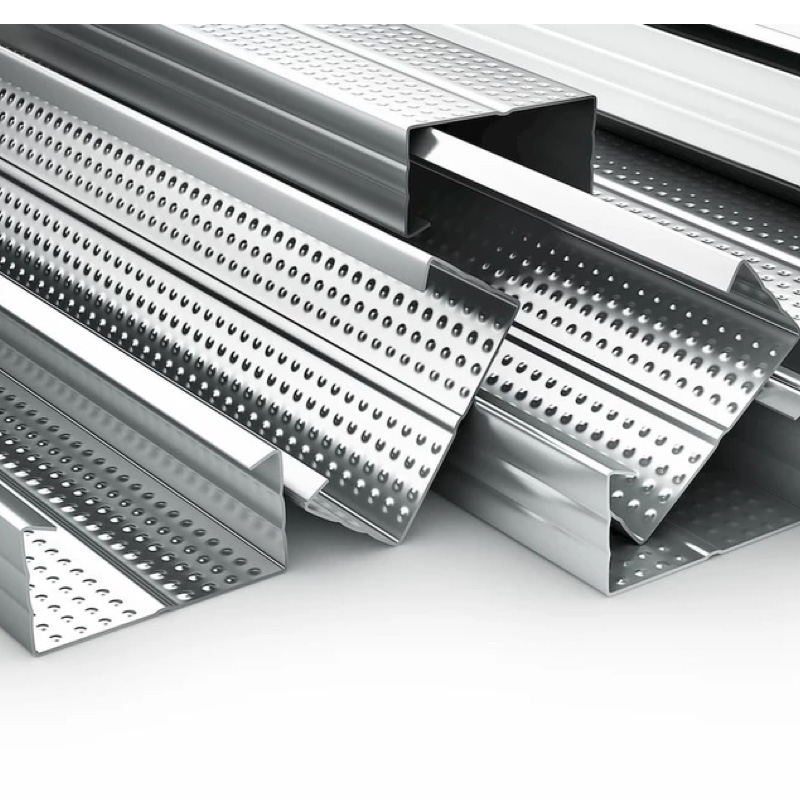
Light steel keel, as a widely used material in the modern construction industry, plays a crucial role in building structures. The selection of materials is not only related to the load-bearing capacity and stability of the building, but also to the aesthetics and service life of the building. So, what material is generally used to make light steel keel?
Firstly, the main material of light steel keel is steel. This type of steel is usually subjected to special treatments, such as galvanizing or baking paint, to enhance its corrosion resistance and aesthetics. Galvanizing treatment can effectively prevent steel from rusting in humid environments, thereby extending its service life. And baking paint treatment can not only improve the aesthetics of steel, but also enhance its surface hardness, prevent scratches and wear.
During the production process, the light steel keel uses continuous hot-dip galvanized sheet or aluminum alloy materials as raw materials. These materials are processed by electro oxidation or cold bending processes to form metal skeletons with specific shapes and strengths. The cross-sectional shapes of light steel keel are diverse, commonly including U-shaped, C-shaped, L-shaped, and T-shaped, etc. These shapes are designed to better adapt to different building structures and load-bearing requirements.
Light steel keel not only has excellent physical properties such as light weight, high strength, waterproofing, fire prevention, shock resistance, etc., but also has good construction performance. It is easy to install, has a short construction period, and can greatly improve construction efficiency. At the same time, light steel keel also has good environmental performance, which can be recycled and reused, in line with the sustainable development concept of modern architecture.
In the construction industry, light steel keel is widely used in the ceiling and partition engineering of hotels, airport terminals, stations, shopping malls, factories, office buildings and other places. It can not only serve as a framework for non load-bearing walls, but also be used for the decorative design of building roofs. The excellent performance of light steel keel makes the building space more beautiful, comfortable, and safe.
Overall, light steel keel is mainly made of specially treated steel, which has excellent physical properties, construction performance, and environmental performance. With the continuous development of the modern construction industry, light steel keel will continue to play an important role in creating a better space for our lives.
However, it is worth noting that although light steel keel has many advantages, its maintenance and upkeep still need to be paid attention to during use. For example, during the installation process, it is necessary to ensure its flatness and stability to avoid problems such as deformation or loosening. In addition, during use, it is necessary to regularly check whether the connecting parts and fixing parts are intact. If there is any damage, it should be replaced or repaired in a timely manner.
In addition, with the continuous progress of technology, the manufacturing process and materials of light steel keel are also constantly updated and optimized. In the future, we can look forward to the emergence of more advanced, environmentally friendly, and efficient light steel keel products, bringing more innovation and breakthroughs to the construction industry.
In summary, light steel keel is an important material in the modern construction industry, and its material selection and manufacturing process have a significant impact on the performance and quality of buildings. Understanding the materials and characteristics of light steel keel production can help us better choose and use this product, creating a better space for our lives.
Firstly, the main material of light steel keel is steel. This type of steel is usually subjected to special treatments, such as galvanizing or baking paint, to enhance its corrosion resistance and aesthetics. Galvanizing treatment can effectively prevent steel from rusting in humid environments, thereby extending its service life. And baking paint treatment can not only improve the aesthetics of steel, but also enhance its surface hardness, prevent scratches and wear.
During the production process, the light steel keel uses continuous hot-dip galvanized sheet or aluminum alloy materials as raw materials. These materials are processed by electro oxidation or cold bending processes to form metal skeletons with specific shapes and strengths. The cross-sectional shapes of light steel keel are diverse, commonly including U-shaped, C-shaped, L-shaped, and T-shaped, etc. These shapes are designed to better adapt to different building structures and load-bearing requirements.
Light steel keel not only has excellent physical properties such as light weight, high strength, waterproofing, fire prevention, shock resistance, etc., but also has good construction performance. It is easy to install, has a short construction period, and can greatly improve construction efficiency. At the same time, light steel keel also has good environmental performance, which can be recycled and reused, in line with the sustainable development concept of modern architecture.
In the construction industry, light steel keel is widely used in the ceiling and partition engineering of hotels, airport terminals, stations, shopping malls, factories, office buildings and other places. It can not only serve as a framework for non load-bearing walls, but also be used for the decorative design of building roofs. The excellent performance of light steel keel makes the building space more beautiful, comfortable, and safe.
Overall, light steel keel is mainly made of specially treated steel, which has excellent physical properties, construction performance, and environmental performance. With the continuous development of the modern construction industry, light steel keel will continue to play an important role in creating a better space for our lives.
However, it is worth noting that although light steel keel has many advantages, its maintenance and upkeep still need to be paid attention to during use. For example, during the installation process, it is necessary to ensure its flatness and stability to avoid problems such as deformation or loosening. In addition, during use, it is necessary to regularly check whether the connecting parts and fixing parts are intact. If there is any damage, it should be replaced or repaired in a timely manner.
In addition, with the continuous progress of technology, the manufacturing process and materials of light steel keel are also constantly updated and optimized. In the future, we can look forward to the emergence of more advanced, environmentally friendly, and efficient light steel keel products, bringing more innovation and breakthroughs to the construction industry.
In summary, light steel keel is an important material in the modern construction industry, and its material selection and manufacturing process have a significant impact on the performance and quality of buildings. Understanding the materials and characteristics of light steel keel production can help us better choose and use this product, creating a better space for our lives.
The difference between U-shaped light steel keel and T-shaped light steel keel
What are the characteristics and uses of galvanized light steel keel?
Related Article

Ceiling wall angle, also known as perimeter angle or L-angle, is an indispensable L-shaped metal profile for suspended drywall ceiling systems. Roll-formed from cold-rolled galvanized steel, ceiling wall angle is fixed along the wall perimeter to support the ends of main channels and furring channels,
Ceiling Wall Angle – Galvanized L-Shaped Perimeter Trim for Suspended Drywall Ceilings
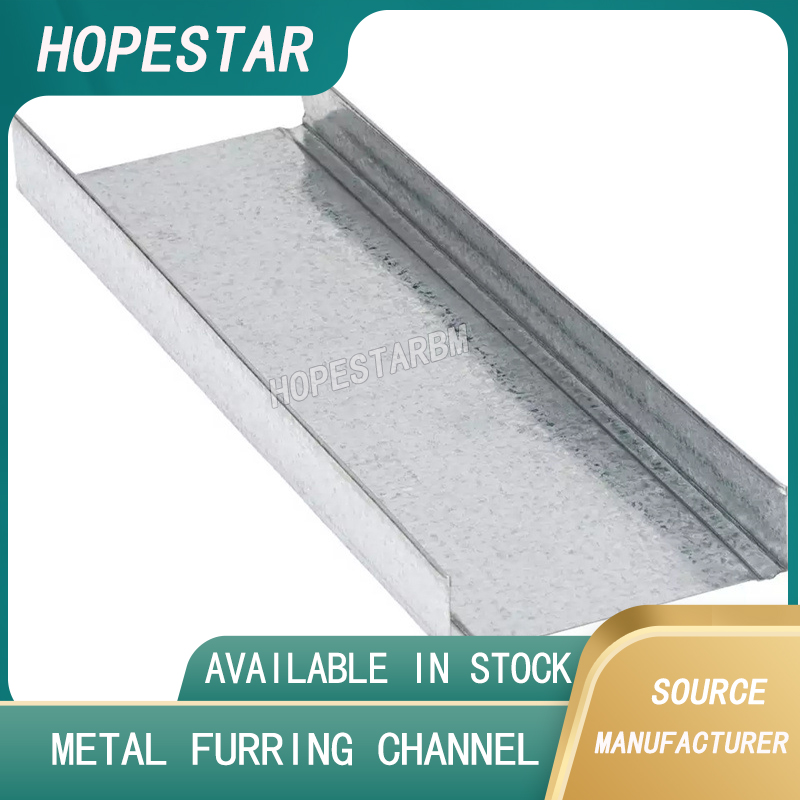
Galvanized steel profiles are the foundational metal framing components widely used in modern interior construction. Roll-formed from cold-rolled steel coated with protective zinc layer, galvanized steel profiles cover a full range of shapes including C studs, U tracks, omega channels,
Galvanized Steel Profiles – Reliable Cold Rolled Framing for Drywall Walls and Ceilings

Metal furring channel for ceiling is a vital secondary framing component widely used in suspended ceiling and drywall ceiling systems. Roll-formed from cold-rolled galvanized steel, this lightweight metal profile works together with main channels, hangers and wall angles to create a level,
Metal Furring Channel for Ceiling – Galvanized Secondary Framing for Suspended Drywall Ceilings

Metal omega channel, also widely called omega furring channel or hat channel, is an indispensable secondary metal framing profile for modern suspended ceilings and drywall wall furring systems. Named after its distinctive Ω shape, this profile is roll-formed from cold-rolled galvanized steel
Metal Omega Channel – Galvanized Omega Furring Channel for Drywall Ceiling and Wall Framing