
What Is A Furring Channel or Hat Channel in Construction?
2024-06-04
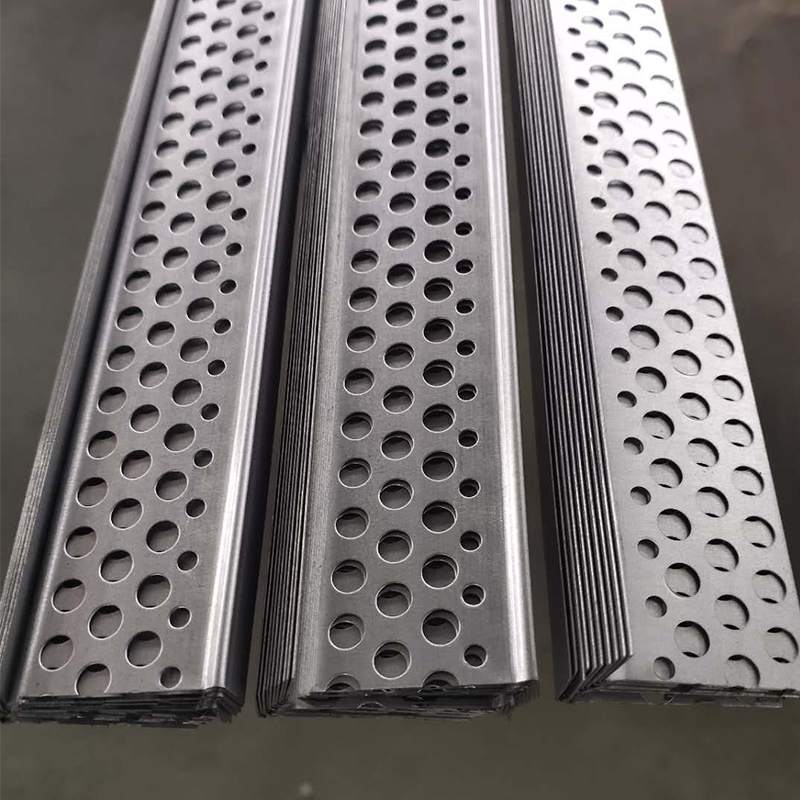
In the vast realm of construction, various terms and components are used to achieve the desired structural integrity and aesthetic appeal of a building. Among these, furring channels and hat channels play a crucial role, often serving as the unseen yet indispensable backbone of many construction projects. In this article, we will delve into the intricacies of furring channels and hat channels, explaining what they are, how they are used, and the benefits they offer in the construction process.
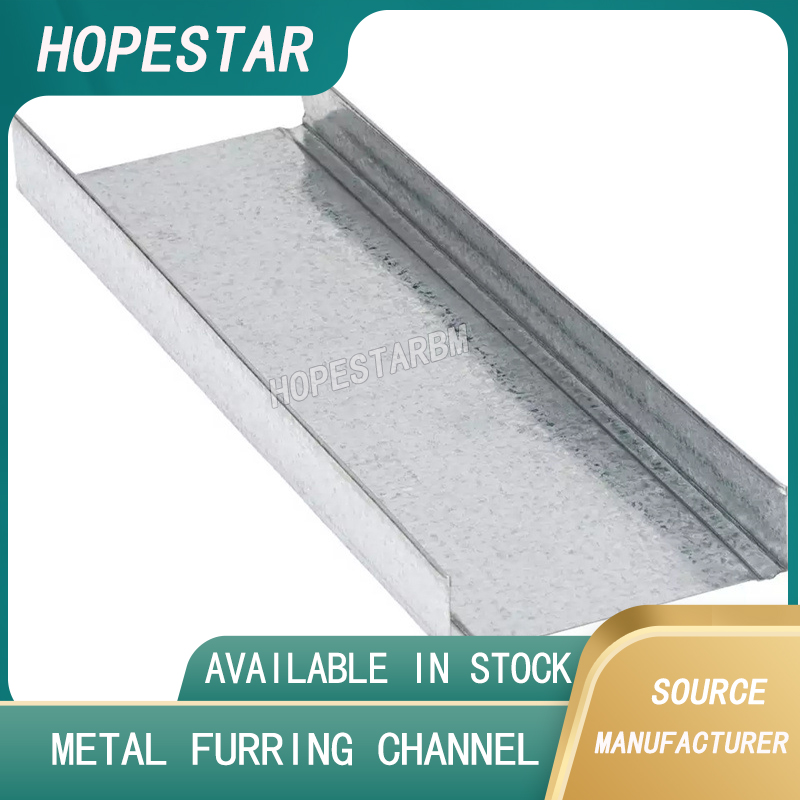
First, let's define the terms. A furring channel, also known as a furring strip or furring strip channel, is a metal strip used to create a level surface for the attachment of materials such as gypsum board, plaster, or other wall coverings. It is typically installed between the structural framing members of a wall or ceiling to provide a flat, even surface for the application of these finishes. Furring channels are often used in situations where the existing wall or ceiling surface is not suitable for direct attachment of the desired finish material.
On the other hand, a hat channel is a type of metal framing member that resembles a hat in shape, with a flat base and sides that flare out at the top. It is used primarily for attaching drywall or other wall coverings to framing members in both interior and exterior walls. Hat channels provide additional support and rigidity to the wall structure, ensuring a smooth and stable surface for the finish material.
Now, let's explore the uses of these channels in construction. Both furring channels and hat channels are commonly used in commercial and industrial construction, where the walls and ceilings often require a high degree of durability and flatness. They are particularly useful in situations where the existing structure does not provide a suitable surface for direct attachment of wall coverings. By using these channels, contractors can create a level surface that is both strong and stable, ready to accept a variety of finishes.
The installation process for furring channels and hat channels is relatively straightforward. In most cases, they are fastened to the existing framing members using screws or other fasteners. Once installed, they provide a solid foundation for the attachment of the desired wall or ceiling covering. The channels themselves are typically made from galvanized steel or other corrosion-resistant materials, ensuring long-term durability and performance.
The benefits of using furring channels and hat channels in construction are numerous. They improve the overall stability and rigidity of the wall or ceiling structure, reducing the risk of sagging or deformation over time. Additionally, they provide a level surface that is ideal for the application of smooth, even finishes. This not only enhances the aesthetic appeal of the finished space but also ensures that the wall coverings will perform as intended, resisting damage and wear over time.
Furthermore, furring channels and hat channels can help to reduce the amount of labor required for wall and ceiling installation. By creating a ready-to-use surface, they eliminate the need for extensive prep work or patching, saving time and money during the construction process. This efficiency can be particularly beneficial on larger projects with tight deadlines or limited budgets.
In conclusion, furring channels and hat channels are essential components of many construction projects. They provide a solid foundation for the attachment of wall and ceiling coverings, ensuring a smooth, even surface that is both strong and durable. By understanding the uses and benefits of these channels, contractors can make informed decisions about their use in various construction scenarios, ultimately delivering superior results that meet the needs and expectations of their clients.
What are the characteristics and uses of galvanized light steel keel?
steel profile
Related Article

Ceiling wall angle, also known as perimeter angle or L-angle, is an indispensable L-shaped metal profile for suspended drywall ceiling systems. Roll-formed from cold-rolled galvanized steel, ceiling wall angle is fixed along the wall perimeter to support the ends of main channels and furring channels,
Ceiling Wall Angle – Galvanized L-Shaped Perimeter Trim for Suspended Drywall Ceilings
Galvanized steel profiles are the foundational metal framing components widely used in modern interior construction. Roll-formed from cold-rolled steel coated with protective zinc layer, galvanized steel profiles cover a full range of shapes including C studs, U tracks, omega channels,
Galvanized Steel Profiles – Reliable Cold Rolled Framing for Drywall Walls and Ceilings

Metal furring channel for ceiling is a vital secondary framing component widely used in suspended ceiling and drywall ceiling systems. Roll-formed from cold-rolled galvanized steel, this lightweight metal profile works together with main channels, hangers and wall angles to create a level,
Metal Furring Channel for Ceiling – Galvanized Secondary Framing for Suspended Drywall Ceilings

Metal omega channel, also widely called omega furring channel or hat channel, is an indispensable secondary metal framing profile for modern suspended ceilings and drywall wall furring systems. Named after its distinctive Ω shape, this profile is roll-formed from cold-rolled galvanized steel
Metal Omega Channel – Galvanized Omega Furring Channel for Drywall Ceiling and Wall Framing