
steel profile
2024-06-04
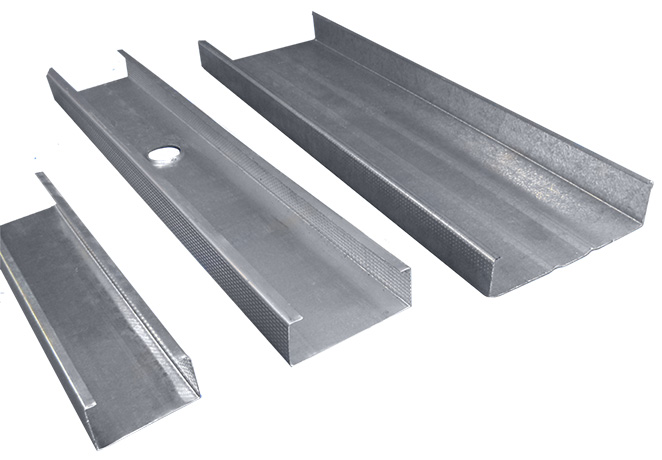
In today's industrial field, the application of steel profiles has become ubiquitous, and steel profiles, as an important product, have become an important pillar of modern industrial construction due to their excellent performance and wide application areas. This article will delve into the concept, classification, application areas, and important position of steel profile in industrial development.
Firstly, let's understand the basic concept of a steel profile. Steel profile, As the name suggests, it refers to profiles made of steel with specific shapes and sizes. It has become the preferred material for many industries due to its high strength, good plasticity and toughness, and excellent corrosion resistance. There are various types of steel profiles, including angle steel, channel steel, I-beam, square steel, H-beam, etc. Each profile has its unique characteristics and applicable scenarios.
Next, let's explore the classification of steel profiles. Steel profiles can be classified into various types based on their shape and purpose. For example, angle steel is a type of steel with a right angle shape, commonly used in building structures and bridge supports; Channel steel is a type of steel with open grooves, suitable for fields such as mechanical manufacturing and vehicle manufacturing; I-beam, due to its shape similar to the Chinese character "I", has excellent load-bearing capacity and is commonly used in the skeleton structure of large buildings and bridges; Square steel is a type of steel with a square cross-section, which has high compressive strength and stability, and is commonly used in building columns and machine parts.
In addition, the application fields of steel profiles are also very extensive. In the construction industry, steel profiles are widely used in building structures, bridges, tunnels, and other engineering projects due to their high strength and good plasticity, providing a solid foundation for the construction of modern cities. In the mechanical manufacturing industry, steel profiles are important raw materials for manufacturing various machine parts and equipment, providing strong guarantees for the smooth progress of industrial production. In the energy sector, steel profiles also play an important role in manufacturing pipelines and equipment for energy industries such as oil and natural gas.
However, the importance of steel profiles in industrial development goes far beyond that. With the continuous progress of technology and the rapid development of industry, the performance and quality requirements for steel profiles are also increasing. In order to meet market demand, steel enterprises continuously develop new technologies and processes to improve the production efficiency and product quality of steel profiles. At the same time, steel companies are also committed to promoting green production of steel profiles, reducing environmental pollution in the production process and achieving sustainable development through measures such as energy conservation, emission reduction, and resource recycling.
In addition, steel profiles also play an important role in international trade. With the deepening development of globalization, the international trade of steel profiles is becoming increasingly active. As one of the world's largest steel producing countries, China's export volume of steel profiles has been increasing year by year, making important contributions to China's economic development and international status enhancement.
Of course, we should also see that there are still some problems and challenges in the production and use of steel profiles. For example, how to further improve the performance and quality of steel, reduce production costs, and improve production efficiency; How to better respond to changes in the international trade environment and enhance the international competitiveness of China's steel industry. These issues require us to constantly explore and innovate in order to promote the sustained and healthy development of the steel profile industry.
In summary, as an important pillar of modern industrial construction, steel profiles have a wide range of types and applications, which are of great significance for promoting industrial development and economic prosperity. We should fully recognize the importance of steel profiles, increase research and development efforts, improve product quality and performance, and promote the green and sustainable development of the steel industry. At the same time, we should actively respond to challenges, seize opportunities, and promote continuous innovation and progress in the steel profile industry.
Firstly, let's understand the basic concept of a steel profile. Steel profile, As the name suggests, it refers to profiles made of steel with specific shapes and sizes. It has become the preferred material for many industries due to its high strength, good plasticity and toughness, and excellent corrosion resistance. There are various types of steel profiles, including angle steel, channel steel, I-beam, square steel, H-beam, etc. Each profile has its unique characteristics and applicable scenarios.
Next, let's explore the classification of steel profiles. Steel profiles can be classified into various types based on their shape and purpose. For example, angle steel is a type of steel with a right angle shape, commonly used in building structures and bridge supports; Channel steel is a type of steel with open grooves, suitable for fields such as mechanical manufacturing and vehicle manufacturing; I-beam, due to its shape similar to the Chinese character "I", has excellent load-bearing capacity and is commonly used in the skeleton structure of large buildings and bridges; Square steel is a type of steel with a square cross-section, which has high compressive strength and stability, and is commonly used in building columns and machine parts.
In addition, the application fields of steel profiles are also very extensive. In the construction industry, steel profiles are widely used in building structures, bridges, tunnels, and other engineering projects due to their high strength and good plasticity, providing a solid foundation for the construction of modern cities. In the mechanical manufacturing industry, steel profiles are important raw materials for manufacturing various machine parts and equipment, providing strong guarantees for the smooth progress of industrial production. In the energy sector, steel profiles also play an important role in manufacturing pipelines and equipment for energy industries such as oil and natural gas.
However, the importance of steel profiles in industrial development goes far beyond that. With the continuous progress of technology and the rapid development of industry, the performance and quality requirements for steel profiles are also increasing. In order to meet market demand, steel enterprises continuously develop new technologies and processes to improve the production efficiency and product quality of steel profiles. At the same time, steel companies are also committed to promoting green production of steel profiles, reducing environmental pollution in the production process and achieving sustainable development through measures such as energy conservation, emission reduction, and resource recycling.
In addition, steel profiles also play an important role in international trade. With the deepening development of globalization, the international trade of steel profiles is becoming increasingly active. As one of the world's largest steel producing countries, China's export volume of steel profiles has been increasing year by year, making important contributions to China's economic development and international status enhancement.
Of course, we should also see that there are still some problems and challenges in the production and use of steel profiles. For example, how to further improve the performance and quality of steel, reduce production costs, and improve production efficiency; How to better respond to changes in the international trade environment and enhance the international competitiveness of China's steel industry. These issues require us to constantly explore and innovate in order to promote the sustained and healthy development of the steel profile industry.
In summary, as an important pillar of modern industrial construction, steel profiles have a wide range of types and applications, which are of great significance for promoting industrial development and economic prosperity. We should fully recognize the importance of steel profiles, increase research and development efforts, improve product quality and performance, and promote the green and sustainable development of the steel industry. At the same time, we should actively respond to challenges, seize opportunities, and promote continuous innovation and progress in the steel profile industry.
What Is A Furring Channel or Hat Channel in Construction?
metal furring channel ceiling,Features, uses, and installation and maintenance
Related Article

Ceiling wall angle, also known as perimeter angle or L-angle, is an indispensable L-shaped metal profile for suspended drywall ceiling systems. Roll-formed from cold-rolled galvanized steel, ceiling wall angle is fixed along the wall perimeter to support the ends of main channels and furring channels,
Ceiling Wall Angle – Galvanized L-Shaped Perimeter Trim for Suspended Drywall Ceilings
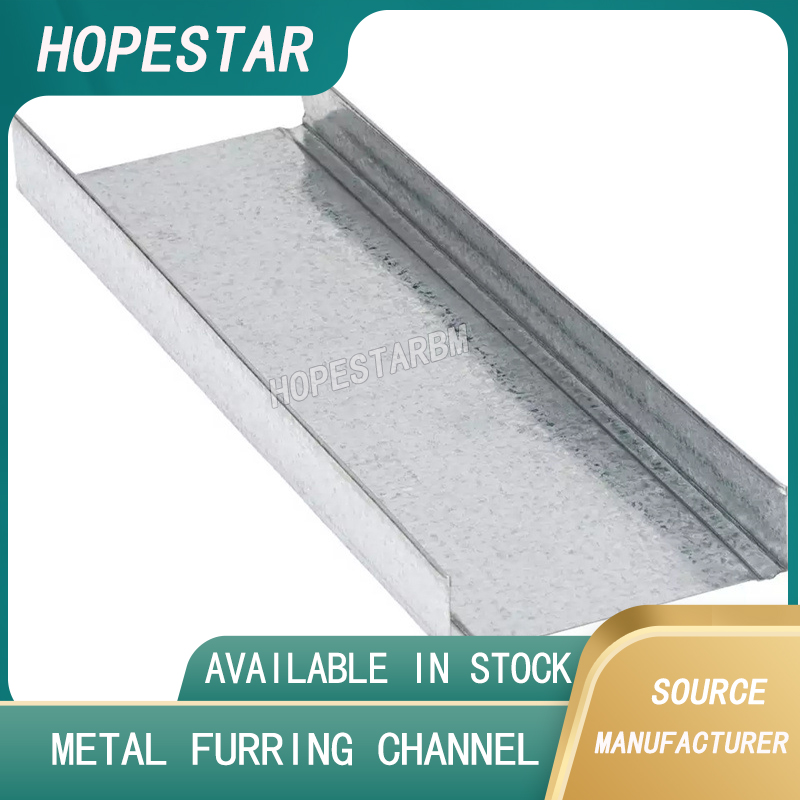
Galvanized steel profiles are the foundational metal framing components widely used in modern interior construction. Roll-formed from cold-rolled steel coated with protective zinc layer, galvanized steel profiles cover a full range of shapes including C studs, U tracks, omega channels,
Galvanized Steel Profiles – Reliable Cold Rolled Framing for Drywall Walls and Ceilings

Metal furring channel for ceiling is a vital secondary framing component widely used in suspended ceiling and drywall ceiling systems. Roll-formed from cold-rolled galvanized steel, this lightweight metal profile works together with main channels, hangers and wall angles to create a level,
Metal Furring Channel for Ceiling – Galvanized Secondary Framing for Suspended Drywall Ceilings

Metal omega channel, also widely called omega furring channel or hat channel, is an indispensable secondary metal framing profile for modern suspended ceilings and drywall wall furring systems. Named after its distinctive Ω shape, this profile is roll-formed from cold-rolled galvanized steel
Metal Omega Channel – Galvanized Omega Furring Channel for Drywall Ceiling and Wall Framing