
Metal tracks and steel track: the cornerstone of building modern railway transportation
2024-05-31
In the vast world of railway transportation, metal tracks and rails, as indispensable infrastructure, bear the heavy responsibility of train operation, ensuring the safety and efficiency of railway transportation. They have become a solid foundation for modern railway transportation due to their excellent physical performance, strong load-bearing capacity, and long service life.
The selection of material for metal tracks, as the backbone of railway transportation, is crucial. In modern railway transportation, metal tracks are usually made of high-strength alloy materials, such as wear-resistant alloys, corrosion-resistant alloys, etc. These alloy materials have excellent physical and chemical properties, making metal tracks more resistant to wear, corrosion, and deformation. At the same time, the design of metal tracks also fully considers the driving needs of trains and the bearing conditions of the ground. Through reasonable structural design and manufacturing processes, the smoothness and stability of the tracks are ensured.
Steel rails are an important component of metal tracks and are also the direct carriers of train travel. It is made of high-strength steel, with good strength and wear resistance, and can withstand enormous pressure and impact forces. During the operation of the train, the steel rails not only support the weight of the train, but also guide the train to move in a predetermined direction. At the same time, they also disperse the pressure on the train to avoid causing excessive damage to the ground. Therefore, the quality and performance of steel rails directly affect the safety and stability of train operation.
To ensure the quality and performance of steel rails, multiple processes and strict quality inspections are required during the manufacturing process. Firstly, high-quality steel is selected as the raw material, and through processes such as refining and rolling, a steel rail shape that meets the requirements is formed. Then, heat treat the steel rails to improve their strength and wear resistance. Finally, surface treatment and rust prevention treatment should be applied to the steel rails to enhance their corrosion resistance. These strict manufacturing processes and quality control measures ensure that the rails have excellent performance and a long service life.
In modern railway transportation, the application of metal tracks and steel rails has become very widespread. Whether it's busy urban subway lines or vast railway trunk lines, you can see their presence. They carry various types and specifications of trains, including high-speed trains, freight trains, etc., providing convenient and efficient solutions for people's travel and the transportation of goods.
With the continuous progress of technology and the continuous development of railway transportation, the technology of metal tracks and rails is also constantly innovating and improving. The development and application of new alloy materials have further improved the strength and wear resistance of the track; The application of intelligent technology makes track monitoring and maintenance more convenient and efficient; At the same time, environmental protection concepts have gradually been integrated into the design and manufacturing of railways, making railway transportation more green and sustainable.
However, although metal tracks and rails play important roles in railway transportation, they also face some challenges and problems. For example, under long-term pressure and impact from train operation, the track may experience wear and deformation; Meanwhile, adverse weather conditions and geographical environment may also have an impact on the performance and service life of the orbit. Therefore, regular inspection and maintenance of the track is crucial to ensure that it always maintains good performance and condition.
In summary, metal tracks and steel rails play an irreplaceable role as the cornerstone of modern railway transportation. They provide a solid guarantee for the safety, efficiency, and sustainable development of railway transportation with their excellent physical performance, strong load-bearing capacity, and long service life. In the future, with the continuous progress of technology and the continuous development of railway transportation, we have reason to believe that metal tracks and rails will continue to play a more important role, providing more convenient, efficient, and environmentally friendly solutions for people's travel and the transportation of goods.
The selection of material for metal tracks, as the backbone of railway transportation, is crucial. In modern railway transportation, metal tracks are usually made of high-strength alloy materials, such as wear-resistant alloys, corrosion-resistant alloys, etc. These alloy materials have excellent physical and chemical properties, making metal tracks more resistant to wear, corrosion, and deformation. At the same time, the design of metal tracks also fully considers the driving needs of trains and the bearing conditions of the ground. Through reasonable structural design and manufacturing processes, the smoothness and stability of the tracks are ensured.
Steel rails are an important component of metal tracks and are also the direct carriers of train travel. It is made of high-strength steel, with good strength and wear resistance, and can withstand enormous pressure and impact forces. During the operation of the train, the steel rails not only support the weight of the train, but also guide the train to move in a predetermined direction. At the same time, they also disperse the pressure on the train to avoid causing excessive damage to the ground. Therefore, the quality and performance of steel rails directly affect the safety and stability of train operation.
To ensure the quality and performance of steel rails, multiple processes and strict quality inspections are required during the manufacturing process. Firstly, high-quality steel is selected as the raw material, and through processes such as refining and rolling, a steel rail shape that meets the requirements is formed. Then, heat treat the steel rails to improve their strength and wear resistance. Finally, surface treatment and rust prevention treatment should be applied to the steel rails to enhance their corrosion resistance. These strict manufacturing processes and quality control measures ensure that the rails have excellent performance and a long service life.
In modern railway transportation, the application of metal tracks and steel rails has become very widespread. Whether it's busy urban subway lines or vast railway trunk lines, you can see their presence. They carry various types and specifications of trains, including high-speed trains, freight trains, etc., providing convenient and efficient solutions for people's travel and the transportation of goods.
With the continuous progress of technology and the continuous development of railway transportation, the technology of metal tracks and rails is also constantly innovating and improving. The development and application of new alloy materials have further improved the strength and wear resistance of the track; The application of intelligent technology makes track monitoring and maintenance more convenient and efficient; At the same time, environmental protection concepts have gradually been integrated into the design and manufacturing of railways, making railway transportation more green and sustainable.
However, although metal tracks and rails play important roles in railway transportation, they also face some challenges and problems. For example, under long-term pressure and impact from train operation, the track may experience wear and deformation; Meanwhile, adverse weather conditions and geographical environment may also have an impact on the performance and service life of the orbit. Therefore, regular inspection and maintenance of the track is crucial to ensure that it always maintains good performance and condition.
In summary, metal tracks and steel rails play an irreplaceable role as the cornerstone of modern railway transportation. They provide a solid guarantee for the safety, efficiency, and sustainable development of railway transportation with their excellent physical performance, strong load-bearing capacity, and long service life. In the future, with the continuous progress of technology and the continuous development of railway transportation, we have reason to believe that metal tracks and rails will continue to play a more important role, providing more convenient, efficient, and environmentally friendly solutions for people's travel and the transportation of goods.
Light steel frame
Gypsum Wall Accessories
Related Article

Ceiling wall angle, also known as perimeter angle or L-angle, is an indispensable L-shaped metal profile for suspended drywall ceiling systems. Roll-formed from cold-rolled galvanized steel, ceiling wall angle is fixed along the wall perimeter to support the ends of main channels and furring channels,
Ceiling Wall Angle – Galvanized L-Shaped Perimeter Trim for Suspended Drywall Ceilings
Galvanized steel profiles are the foundational metal framing components widely used in modern interior construction. Roll-formed from cold-rolled steel coated with protective zinc layer, galvanized steel profiles cover a full range of shapes including C studs, U tracks, omega channels,
Galvanized Steel Profiles – Reliable Cold Rolled Framing for Drywall Walls and Ceilings

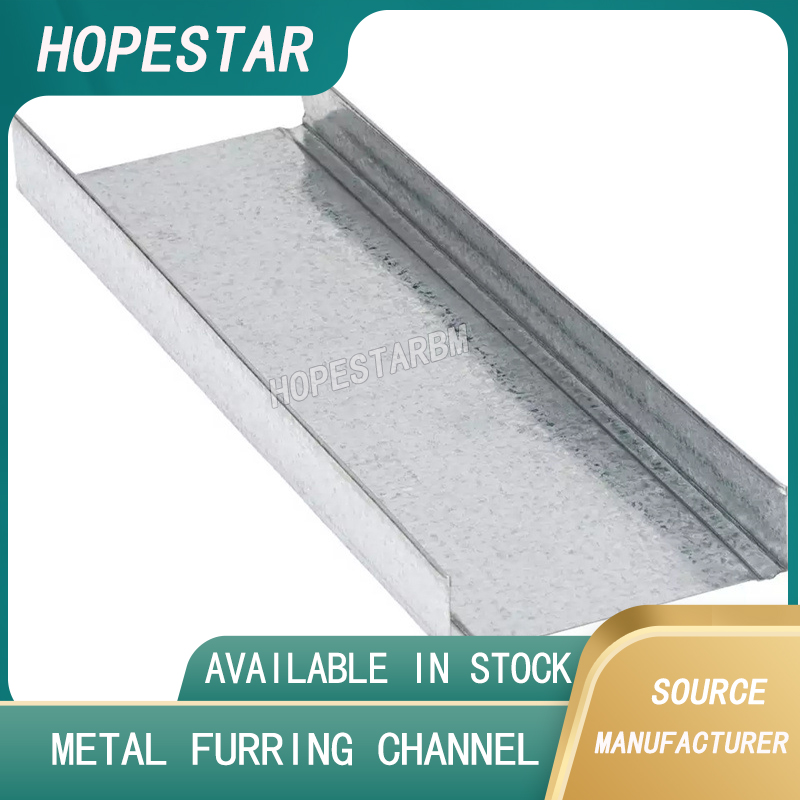
Metal furring channel for ceiling is a vital secondary framing component widely used in suspended ceiling and drywall ceiling systems. Roll-formed from cold-rolled galvanized steel, this lightweight metal profile works together with main channels, hangers and wall angles to create a level,
Metal Furring Channel for Ceiling – Galvanized Secondary Framing for Suspended Drywall Ceilings

Metal omega channel, also widely called omega furring channel or hat channel, is an indispensable secondary metal framing profile for modern suspended ceilings and drywall wall furring systems. Named after its distinctive Ω shape, this profile is roll-formed from cold-rolled galvanized steel
Metal Omega Channel – Galvanized Omega Furring Channel for Drywall Ceiling and Wall Framing