
What are the sizes of furring channels?
2024-05-29
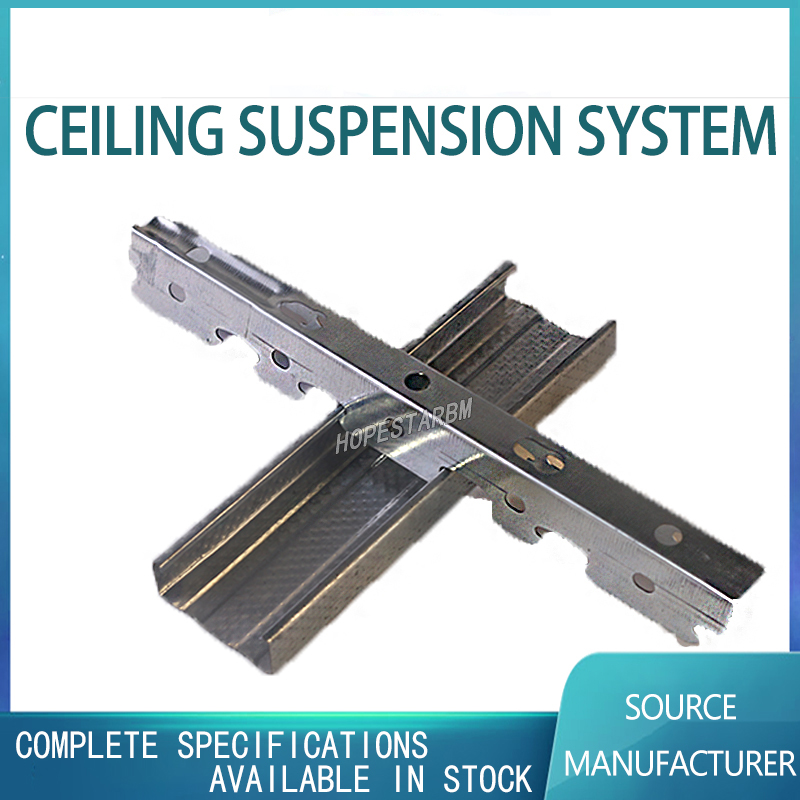
The sizes of furring channels vary depending on the specific application and the requirements of the building project. Furring channels, also known as hat channels or runner channels, are metal strips used in construction to create a level surface for the installation of drywall, cladding, or other wall finishes. They provide a solid base for attaching materials and ensure a smooth, even appearance.
The most common sizes of furring channels are typically measured in width, depth, and length. The width of the channel refers to the horizontal dimension, while the depth is the vertical dimension. The length of the channel can vary depending on the needs of the project, ranging from short lengths for small areas to longer lengths for larger walls or ceilings.
When selecting the size of furring channels, it's important to consider the weight and thickness of the materials that will be attached to them. Heavier materials require stronger, thicker channels to provide sufficient support. Additionally, the spacing between the furring channels is also a factor to consider. Too wide spacing can result in sagging or bowing of the wall finish, while too close spacing can increase the cost and complexity of the installation.
In residential construction, smaller sizes of furring channels are typically used. These channels are often lighter in weight and have a narrower width and depth. They are suitable for walls and ceilings with lighter loads and less demanding finishes.
On the other hand, commercial and industrial buildings often require larger and stronger furring channels. These channels can have a wider width and deeper depth to support heavier materials and withstand the rigors of a busier, more demanding environment.
In addition to standard sizes, some manufacturers also offer custom-sized furring channels to meet specific project requirements. These channels can be custom-made to fit unique dimensions or to accommodate specific installation needs.
When installing furring channels, it's essential to follow the manufacturer's instructions and local building codes. Proper installation ensures that the channels are securely fastened to the underlying structure and provide a stable base for the wall finish. This includes ensuring that the channels are level, evenly spaced, and securely anchored to the wall or ceiling.
In summary, the sizes of furring channels vary depending on the application and the requirements of the building project. Selecting the right size and type of furring channel is crucial to ensure a successful installation and a high-quality finished wall or ceiling. With a variety of sizes and options available, it's possible to find the perfect furring channel for any construction project.
What is a Z-shaped light steel keel?
What is z furring channel for?
Related Article

Ceiling wall angle, also known as perimeter angle or L-angle, is an indispensable L-shaped metal profile for suspended drywall ceiling systems. Roll-formed from cold-rolled galvanized steel, ceiling wall angle is fixed along the wall perimeter to support the ends of main channels and furring channels,
Ceiling Wall Angle – Galvanized L-Shaped Perimeter Trim for Suspended Drywall Ceilings
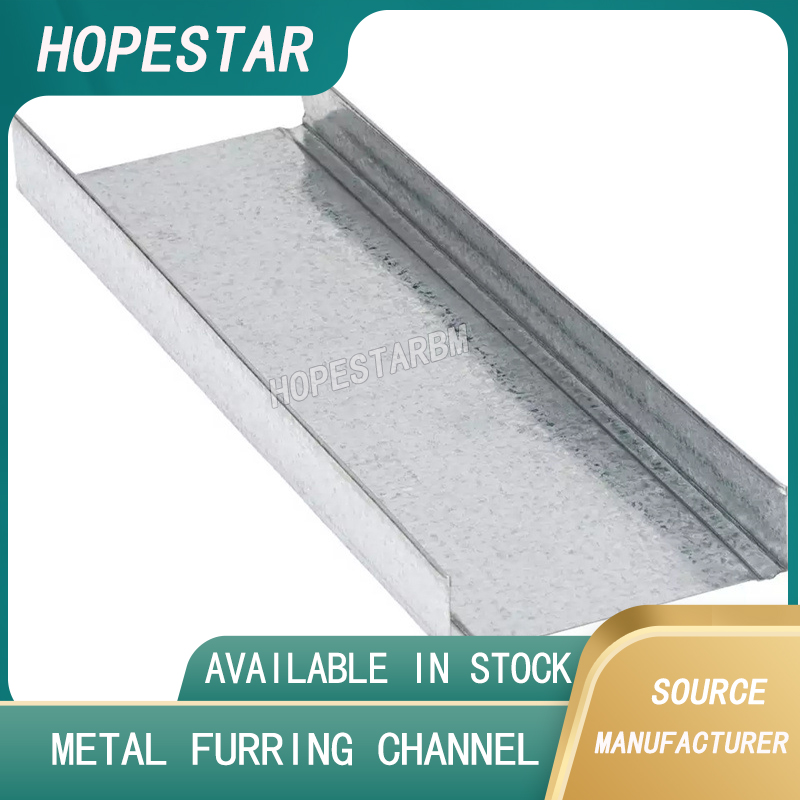
Galvanized steel profiles are the foundational metal framing components widely used in modern interior construction. Roll-formed from cold-rolled steel coated with protective zinc layer, galvanized steel profiles cover a full range of shapes including C studs, U tracks, omega channels,
Galvanized Steel Profiles – Reliable Cold Rolled Framing for Drywall Walls and Ceilings

Metal furring channel for ceiling is a vital secondary framing component widely used in suspended ceiling and drywall ceiling systems. Roll-formed from cold-rolled galvanized steel, this lightweight metal profile works together with main channels, hangers and wall angles to create a level,
Metal Furring Channel for Ceiling – Galvanized Secondary Framing for Suspended Drywall Ceilings

Metal omega channel, also widely called omega furring channel or hat channel, is an indispensable secondary metal framing profile for modern suspended ceilings and drywall wall furring systems. Named after its distinctive Ω shape, this profile is roll-formed from cold-rolled galvanized steel
Metal Omega Channel – Galvanized Omega Furring Channel for Drywall Ceiling and Wall Framing